Expecting a baby? Don't let gum disease add to your worries!
Pregnancy is a miraculous journey, a time of profound changes within a woman's body. While much attention is rightly focused on fetal development, nutrition, and general well-being, one area often overlooked is oral health. However, the hormonal shifts and physiological adaptations that occur during pregnancy can significantly impact your gums and teeth, making you more susceptible to certain dental conditions.
Among these, gum disease stands out as a particularly common concern. Many expectant mothers experience a condition known as pregnancy gingivitis, characterized by inflamed, tender, and bleeding gums. While often perceived as a minor inconvenience, the implications of gum disease during pregnancy can extend beyond just oral discomfort, potentially affecting both maternal and fetal health.
Understanding Gum Disease During Pregnancy
Pregnancy brings about a symphony of hormonal changes, primarily elevated levels of estrogen and progesterone. While essential for supporting fetal development, these hormones also have a profound impact on various body systems, including oral tissues.
Gum disease, medically known as periodontal disease, is an inflammatory condition affecting the gums and the structures supporting your teeth. It typically begins with **gingivitis**, a milder form characterized by red, swollen, and easily bleeding gums. If left untreated, gingivitis can progress to **periodontitis**, a more severe form where the infection spreads below the gum line, damaging the bone and connective tissue that hold teeth in place, potentially leading to tooth loss. During pregnancy, the heightened hormonal activity exaggerates the body's inflammatory response to plaque bacteria, making gums more susceptible to inflammation even with minimal plaque accumulation. This is why many pregnant women who previously had healthy gums may suddenly develop symptoms of gingivitis.
💡 Key Takeaway
Hormonal changes during pregnancy significantly increase susceptibility to gum inflammation, making expectant mothers more prone to gingivitis, which can progress to more severe periodontitis if not managed.
Why Pregnancy Increases Your Risk
Several factors contribute to the increased prevalence and severity of gum disease in pregnant women. Understanding these factors is the first step towards effective prevention and management.
The primary culprit is the **surge in hormones**, particularly estrogen and progesterone. These hormones increase blood flow to the gum tissues, making them more sensitive, swollen, and prone to bleeding. They also alter the body's response to bacteria, leading to a more exaggerated inflammatory reaction. Beyond hormones, other factors play a significant role. **Morning sickness**, with its frequent vomiting, exposes teeth to stomach acid, which can erode enamel and irritate gums. Changes in **dietary habits**, such as increased cravings for sugary or carbohydrate-rich foods, can fuel the growth of plaque-forming bacteria. Furthermore, some pregnant women experience **dry mouth**, reducing saliva's protective buffering capacity against acids and bacteria. A decline in **immune function** can also leave the body less equipped to fight off oral infections. Lastly, fatigue and nausea can sometimes lead to a neglect of regular oral hygiene routines, further exacerbating the problem. It is crucial for expectant mothers to be aware of these elevated risks and prioritize their dental care throughout their pregnancy.
Risks for Mother and Baby
While gum disease can be uncomfortable for the mother, its potential implications extend beyond oral discomfort, raising concerns for both maternal and fetal health.
For the **expectant mother**, untreated gum disease can lead to significant discomfort, persistent bad breath, chronic inflammation, and in severe cases, gum recession and even tooth loss. The continuous inflammation can also make it difficult to eat and speak comfortably. More concerning are the potential systemic effects. Periodontitis is a chronic infection, and the bacteria and inflammatory mediators from infected gums can enter the bloodstream. This systemic inflammation has been linked to an increased risk of other health issues, making comprehensive care essential. For the **developing baby**, research suggests a correlation between severe periodontitis in the mother and adverse pregnancy outcomes. Studies have indicated a higher incidence of **preterm birth** (birth before 37 weeks of gestation) and **low birth weight** in infants born to mothers with untreated gum disease. The exact mechanisms are still being investigated, but it's hypothesized that the inflammatory response triggered by gum infection could stimulate uterine contractions or affect fetal growth. While these links are correlations and not definitive causation, they underscore the importance of maintaining optimal oral health as part of a holistic prenatal care plan. Protecting your gums is not just about your smile; it's a vital part of protecting your baby's earliest days.
Recognizing the Symptoms of Pregnancy Gingivitis
Early detection is key to managing gum disease effectively. Be vigilant about changes in your oral health during pregnancy.
Bleeding Gums
One of the most common and earliest signs. Your gums may bleed easily when brushing, flossing, or even sometimes spontaneously. Don't ignore this; it's a clear indicator of inflammation.
Red, Swollen Gums
Healthy gums are typically pink and firm. If yours appear noticeably redder, swollen, or puffy, especially around the base of your teeth, it's a sign of inflammation.
Tender or Painful Gums
Your gums might feel tender to the touch, or you may experience discomfort when chewing. This sensitivity can range from mild aching to sharp pain.
Persistent Bad Breath (Halitosis)
Bacteria thriving in inflamed gums can produce foul-smelling gases, leading to chronic bad breath that doesn't go away with brushing alone.
Receding Gums
In more advanced cases, the gums may pull away from the teeth, making them appear longer. This exposes the tooth roots, which can lead to sensitivity.
Loose Teeth
As gum disease progresses and damages the supporting bone, teeth may become loose or shift, affecting your bite. This is a sign of severe periodontitis.
Essential Prevention and Management Strategies
Proactive measures are crucial for preventing and managing gum disease during pregnancy. A combination of diligent home care and professional dental visits can make a significant difference.
First and foremost, **maintaining excellent oral hygiene** is non-negotiable. This means brushing your teeth thoroughly twice a day for at least two minutes with a soft-bristled toothbrush and fluoride toothpaste. Don't forget to floss daily to remove plaque and food particles from between your teeth and under the gum line. Consider using an antimicrobial mouthwash recommended by your dentist, especially one free of alcohol. Regular **dental check-ups and professional cleanings** are more important than ever during pregnancy. Inform your dentist that you are pregnant so they can adjust any procedures and medications as needed. Routine cleanings remove plaque and tartar buildup that at-home brushing can't tackle, significantly reducing the risk of gingivitis progressing to periodontitis.
Beyond oral hygiene, **dietary modifications** play a vital role. Limit sugary snacks and acidic foods, which contribute to plaque formation and enamel erosion. Opt for a balanced diet rich in fruits, vegetables, and whole grains, which provide essential vitamins and minerals for gum health. Staying **well-hydrated** by drinking plenty of water helps wash away food particles and bacteria, and can alleviate dry mouth. If morning sickness is an issue, rinse your mouth with water or a fluoride mouthwash after vomiting to neutralize stomach acids. While traditional methods are the cornerstone, incorporating **natural prevention strategies** can offer additional support. These often focus on reducing inflammation and supporting the body's natural healing processes. For more comprehensive tips on maintaining oral health, you might find our article on lifestyle tips for gum health particularly useful, even more so during pregnancy.
Natural Prevention Strategies for Healthy Pregnancy Gums
Beyond conventional dental care, several natural approaches can help support gum health during pregnancy, working in harmony with your body's needs.
Optimize Your Oral Hygiene Routine
This is the foundation of gum health. Use a soft-bristled toothbrush and fluoride toothpaste, brushing gently but thoroughly for two minutes, twice daily. Floss every day to remove plaque from areas your brush can't reach. Consider a natural, alcohol-free mouthwash with ingredients like aloe vera or essential oils to soothe gums and reduce bacteria.
Embrace a Nutrient-Rich, Anti-Inflammatory Diet
What you eat impacts your entire body, including your gums. Focus on foods rich in Vitamin C (for tissue repair), Vitamin D (for bone health), and antioxidants. Include plenty of leafy greens, berries, lean proteins, and healthy fats. Limit processed foods, sugary drinks, and refined carbohydrates that feed harmful oral bacteria.
Stay Hydrated with Water
Water is your ally. Drinking plenty of water throughout the day helps wash away food particles and bacteria, reduces dry mouth, and supports saliva production. Saliva is crucial for neutralizing acids and protecting enamel. Consider sipping water frequently, especially after meals and sugary snacks.
Manage Stress Effectively
Stress can weaken your immune system, making you more vulnerable to infections, including gum disease. Incorporate stress-reduction techniques into your daily routine, such as prenatal yoga, meditation, deep breathing exercises, or gentle walks. A calm mind contributes to a healthier body, including healthier gums.
Explore Targeted Natural Supplements
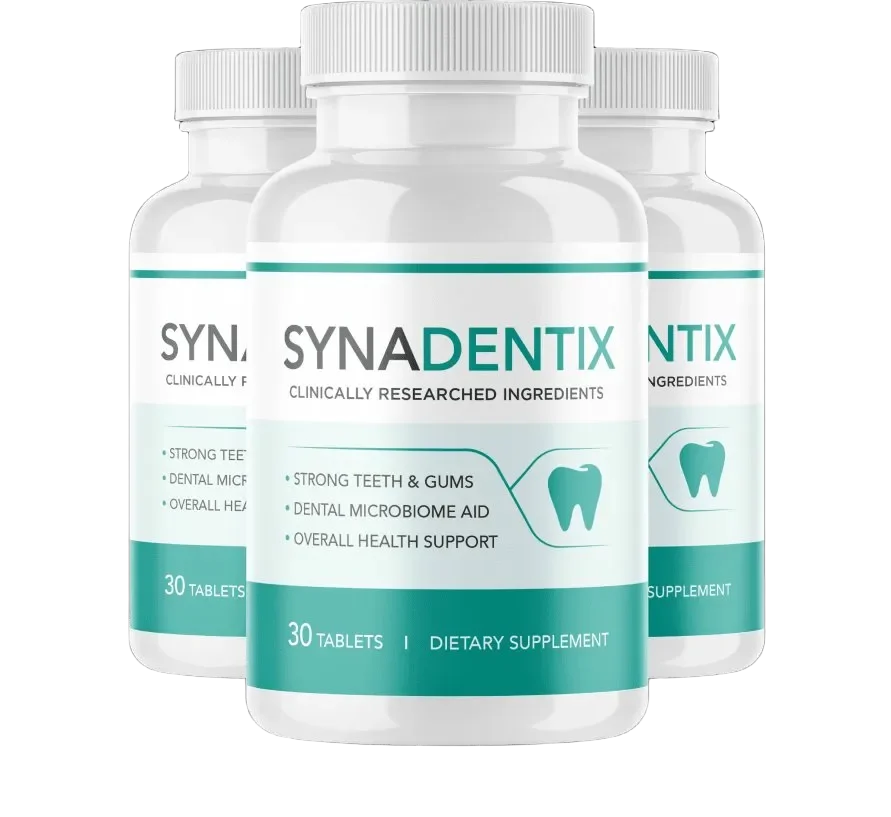
Certain natural ingredients are known for their anti-inflammatory and antimicrobial properties, offering additional support for gum health. Ingredients like CoQ10, certain vitamins, and herbal extracts can help reduce gum inflammation and promote healing. Always discuss any supplements with your healthcare provider during pregnancy. Synadentix, with its blend of natural ingredients, is one such option designed to support overall oral health.
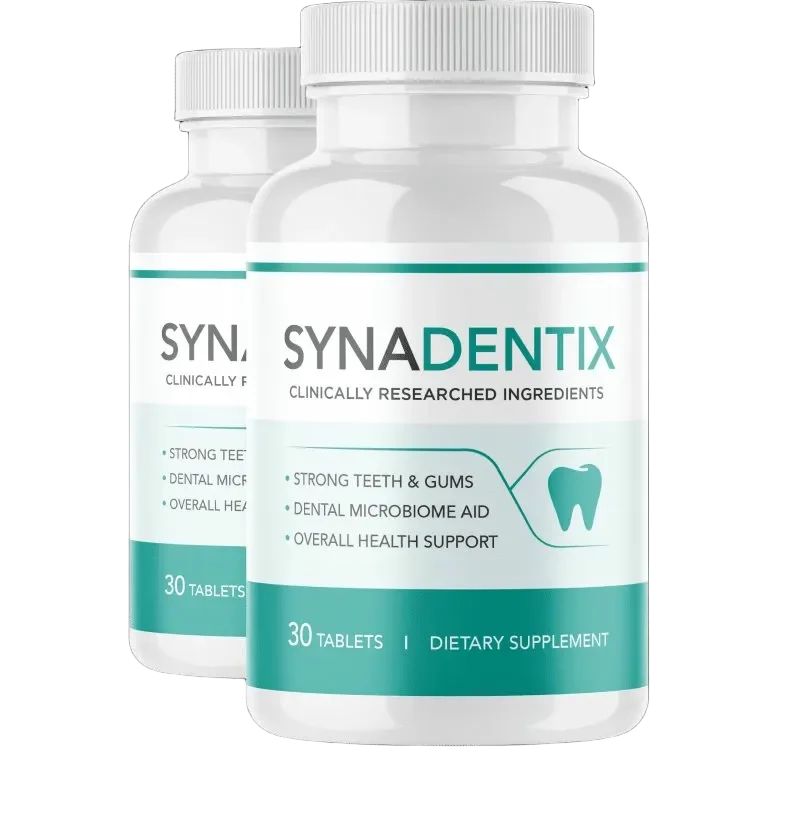
The Role of Synadentix in Natural Gum Health Support
While comprehensive oral hygiene and regular dental visits are paramount, natural supplements can offer complementary support in maintaining gum health, especially during the challenging period of pregnancy. Synadentix is formulated with a blend of natural ingredients designed to target key aspects of gum health.
Synadentix aims to support the body's natural defenses against gum disease by providing nutrients and botanical extracts known for their anti-inflammatory, antimicrobial, and tissue-supporting properties. It's designed to work from within, complementing your daily brushing and flossing routine. The formulation is crafted to help reduce gum inflammation, fight harmful oral bacteria, and promote the regeneration of healthy gum tissue. This approach aligns with a holistic view of health, where internal support enhances external care. While Synadentix is a natural product, it is crucial for pregnant women to discuss its use with their healthcare provider to ensure it aligns with their individual health needs and pregnancy plan. It's one tool in a comprehensive toolkit for managing oral health during this special time, offering a gentle, natural path to support your gums. For a deeper dive into how Synadentix compares to other solutions, you might be interested in reading about Synadentix vs. Steel Bite Pro.
Key Natural Ingredients in Synadentix for Gum Support
Synadentix harnesses the power of several well-researched natural compounds to promote optimal gum health. These ingredients are chosen for their synergistic effects in reducing inflammation, fighting bacteria, and supporting tissue integrity.
Zinc Citrate
Role: An essential mineral known for its antimicrobial properties, Zinc helps inhibit the growth of bacteria that cause plaque and gum inflammation. It also plays a role in wound healing and immune function, crucial for healthy gum tissue.
Peppermint Oil
Role: Renowned for its refreshing scent and taste, Peppermint Oil possesses natural antiseptic and anti-inflammatory properties. It helps combat bad breath and can provide a soothing effect on irritated gums, contributing to overall oral freshness.
Clove Oil
Role: A powerful natural analgesic and antiseptic, Clove Oil has been traditionally used for dental pain relief and to fight oral infections. Its eugenol content gives it strong antimicrobial and anti-inflammatory benefits, making it excellent for gum health.
Echinacea Purpurea
Role: This popular herb is celebrated for its immune-boosting properties. In oral health, Echinacea helps stimulate the body's natural defense mechanisms to fight off bacterial infections in the gums and reduce inflammation.
Cranberry Extract
Role: Rich in antioxidants, Cranberry Extract contains compounds called proanthocyanidins that prevent bacteria from adhering to tooth surfaces and gums, thereby reducing plaque formation and the risk of gum disease.
Hyaluronic Acid
Role: A natural component of connective tissues, Hyaluronic Acid is vital for tissue repair and regeneration. It helps maintain gum hydration, supports the healing process of inflamed gums, and improves tissue elasticity and strength.
Coenzyme Q10 (CoQ10)
Role: A potent antioxidant, CoQ10 is crucial for cellular energy production and has significant anti-inflammatory effects. It's often found in gum tissues and supplementation has been shown to improve gum health and reduce symptoms of periodontitis.
Tea Tree Oil
Role: Known for its powerful antiseptic and anti-inflammatory properties, Tea Tree Oil effectively combats various oral bacteria and fungi. It helps to reduce gum inflammation, fight off infections, and contribute to a healthier oral microbiome.
Take Control of Your Oral Health During Pregnancy
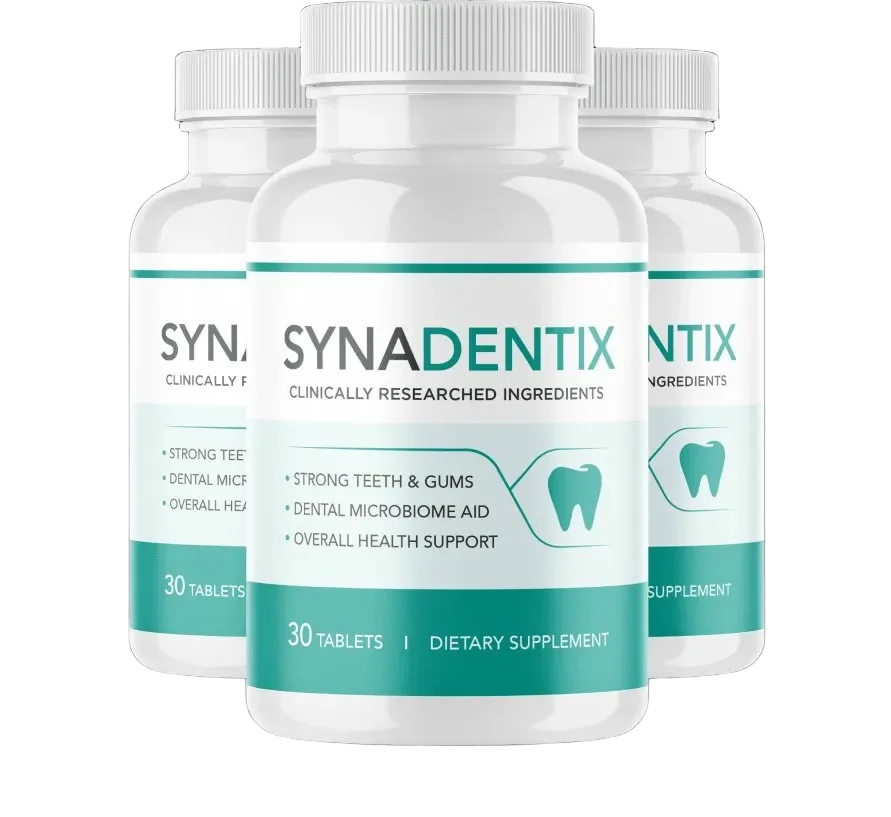
Your journey through pregnancy is precious, and every aspect of your health matters. Don't let the threat of gum disease add unnecessary stress. Synadentix offers a natural approach to support healthy gums and teeth, especially when your body needs extra care.
- Supports healthy gum tissue and reduces inflammation
- Helps combat harmful oral bacteria naturally
- Promotes fresh breath and overall oral comfort
- Made with a blend of clinically-backed natural ingredients
- Easy to integrate into your daily wellness routine



What Our Customers Say
"During my second trimester, my gums became so sensitive and bled constantly. A friend recommended Synadentix, and after consulting my dentist, I decided to try it. The difference was remarkable! My gums felt stronger and the bleeding almost stopped. It gave me so much peace of mind."
"I was worried about my oral health affecting my baby. Synadentix was a game-changer. My dentist noted a significant improvement in my gum health during my last check-up, saying the inflammation had gone down considerably. I'm so glad I found this natural support."
"My gums were always a bit problematic, but pregnancy made them worse. Synadentix helped soothe the tenderness and reduce the redness. It felt like a gentle, effective way to support my oral health without harsh chemicals. Highly recommend it for expectant mothers!"
Frequently Asked Questions
Is it safe to treat gum disease during pregnancy?
+Yes, it is generally safe and highly recommended to treat gum disease during pregnancy. Dental procedures like cleanings, fillings, and even some extractions are safe. Elective procedures or extensive treatments might be postponed until after birth, but addressing infections or significant inflammation is crucial for both maternal and fetal health. Always inform your dentist that you are pregnant, and they will tailor your treatment plan accordingly, often consulting with your obstetrician.
What are the common signs of pregnancy gingivitis?
+Pregnancy gingivitis typically manifests as red, swollen, and tender gums that bleed easily, especially when brushing or flossing. You might also notice persistent bad breath, a change in how your teeth fit together, or a bad taste in your mouth. These symptoms are often more pronounced than regular gingivitis due to hormonal changes that make your gums more sensitive to plaque.
Can gum disease affect my baby?
+Emerging research suggests a potential link between severe gum disease (periodontitis) in pregnant women and adverse pregnancy outcomes, including preterm birth and low birth weight. While more studies are needed to confirm a direct causal link, the theory is that inflammation and bacteria from the gums can enter the bloodstream and potentially affect the developing fetus or trigger premature labor. Maintaining excellent oral health is a proactive step to reduce these potential risks.
Are natural remedies effective for gum disease during pregnancy?
+Natural remedies can complement, but not replace, professional dental care and good oral hygiene. Gentle rinses with warm salt water can help soothe inflamed gums and reduce bacteria. Certain herbal extracts like aloe vera or peppermint oil (in diluted forms) are sometimes used, but always consult your dentist or healthcare provider before using any new natural remedies or supplements, especially during pregnancy, to ensure they are safe and appropriate for your specific condition. Synadentix, for example, uses natural ingredients known to support gum health, but it's important to discuss any supplement use with your doctor.
How often should I see a dentist when pregnant?
+The American Dental Association recommends at least one dental check-up during pregnancy, ideally in the second trimester. However, if you experience any signs of gum disease, discomfort, or have a history of oral health issues, more frequent visits might be necessary. Your dentist can monitor your oral health, provide professional cleanings, and offer personalized advice to manage pregnancy-related changes effectively. Don't skip your dental appointments during this crucial time.
Is Synadentix safe to use during pregnancy?
+Synadentix is formulated with natural ingredients generally recognized for their oral health benefits. However, as with any supplement or medication during pregnancy, it is absolutely essential to consult with your obstetrician or healthcare provider before starting Synadentix. While the ingredients are natural, individual sensitivities and specific pregnancy conditions vary. Your doctor can provide personalized advice based on your health history and current pregnancy status to ensure it is safe for you and your baby.
Related Articles