Are you doing enough to protect your gums from disease?
Your smile is often the first thing people notice, but beyond aesthetics, it's a window into your overall health. Healthy gums are fundamental to a healthy mouth and, by extension, a healthy body. Yet, gum disease, also known as periodontal disease, affects a staggering number of adults worldwide, often progressing silently until significant damage has occurred.
This comprehensive guide delves into actionable lifestyle tips and effective oral hygiene practices that can significantly improve your gum health and help prevent the onset or progression of gum disease. From daily routines to dietary choices and supportive supplements, we'll explore holistic strategies to achieve and maintain a vibrant, healthy smile.
Understanding Gum Disease: More Than Just a Sore Mouth
Gum disease, medically known as periodontal disease, is a progressive condition that starts subtly but can lead to severe consequences if left unaddressed. It begins when bacteria in plaque, a sticky film that constantly forms on your teeth, produce toxins that irritate the gums.
Initially, this irritation causes gingivitis, the mildest form of gum disease. Symptoms include red, swollen, and tender gums that may bleed easily during brushing or flossing. At this stage, the damage is often reversible with diligent oral hygiene and professional cleaning. However, if left untreated, gingivitis can advance to periodontitis, a more severe form where the inner layer of the gum and bone pull away from the teeth and form pockets. These pockets then become infected, and as the body's immune system fights the bacteria, the combination of bacterial toxins and the body's own immune response starts to break down the bone and connective tissue that hold teeth in place. Eventually, teeth can loosen, fall out, or require extraction.
The impact of gum disease extends beyond your mouth. Research has linked severe periodontitis to other chronic health conditions, including heart disease, stroke, diabetes, respiratory disease, and even certain cancers. This systemic connection underscores the critical importance of maintaining healthy gums not just for a beautiful smile, but for your overall well-being. Understanding these stages and risks is the first step towards proactive prevention and effective management.
💡 Key Takeaway
Gum disease progresses from reversible gingivitis to destructive periodontitis, affecting not only oral health but also increasing the risk of systemic conditions like heart disease and diabetes. Early detection and intervention are crucial.
7 Essential Lifestyle Shifts for Optimal Gum Health
Implementing these comprehensive lifestyle changes can dramatically reduce your risk of gum disease, reverse early symptoms, and foster a healthier mouth and body. Consistency is key to long-term success.
Master Your Oral Hygiene Routine
This is the cornerstone of gum health. Brush twice daily for two minutes with a soft-bristled brush and fluoride toothpaste, using gentle, circular motions. Don't forget to brush your tongue to remove bacteria. Floss daily to remove plaque and food particles from between teeth and under the gumline, areas your toothbrush can't reach effectively. Consider an antiseptic mouthwash for an extra layer of protection, but don't let it replace brushing and flossing.
Embrace a Nutrient-Rich Diet
What you eat directly impacts your gum health. Prioritize a diet rich in vitamins (especially C and D), minerals (like calcium and phosphorus), and antioxidants found in fruits, vegetables, lean proteins, and whole grains. These nutrients help strengthen gum tissues, reduce inflammation, and support your immune system. Limit sugary snacks, acidic drinks, and processed foods that feed harmful oral bacteria and erode enamel.
Stay Hydrated with Water
Water is essential for saliva production, which acts as your mouth's natural cleansing agent. Saliva washes away food particles, neutralizes acids produced by bacteria, and helps remineralize tooth enamel. Drinking plenty of water throughout the day helps keep your mouth moist, reducing the risk of dry mouth, which can exacerbate gum problems. Make water your primary beverage choice.
Quit Smoking and Limit Alcohol
Smoking is one of the most significant risk factors for gum disease, impairing blood flow to the gums, masking symptoms, and hindering healing. It also weakens the immune system, making it harder to fight off infections. Excessive alcohol consumption can dry out your mouth and irritate gum tissues. Quitting smoking and moderating alcohol intake are crucial steps for improving gum health and overall well-being.
Manage Stress Effectively
Chronic stress can weaken your immune system, making you more susceptible to infections, including gum disease. Stress can also lead to habits like teeth grinding (bruxism) or clenching, which can put undue pressure on teeth and gums. Incorporate stress-reducing techniques such as meditation, yoga, regular exercise, or hobbies into your daily routine to protect both your mental and oral health.
Prioritize Regular Dental Check-ups
Even with impeccable home care, professional dental cleanings and check-ups are vital. Dentists can detect early signs of gum disease that you might miss, remove hardened plaque (tartar) that cannot be removed by brushing alone, and provide personalized advice. Regular visits, typically every six months, are crucial for prevention, early intervention, and maintaining long-term oral health.
Consider Supportive Oral Health Supplements
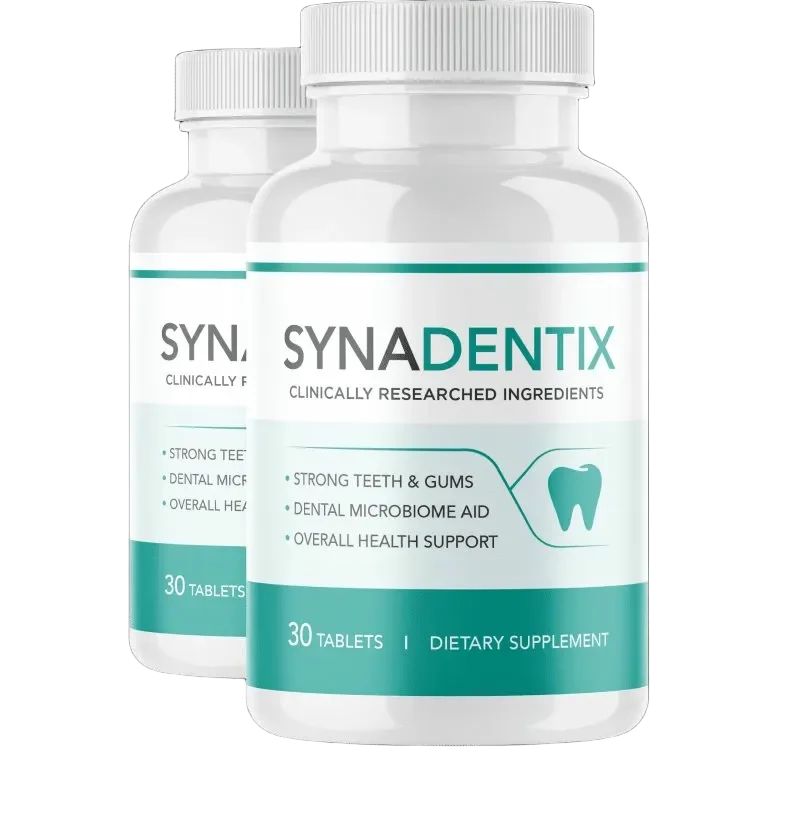
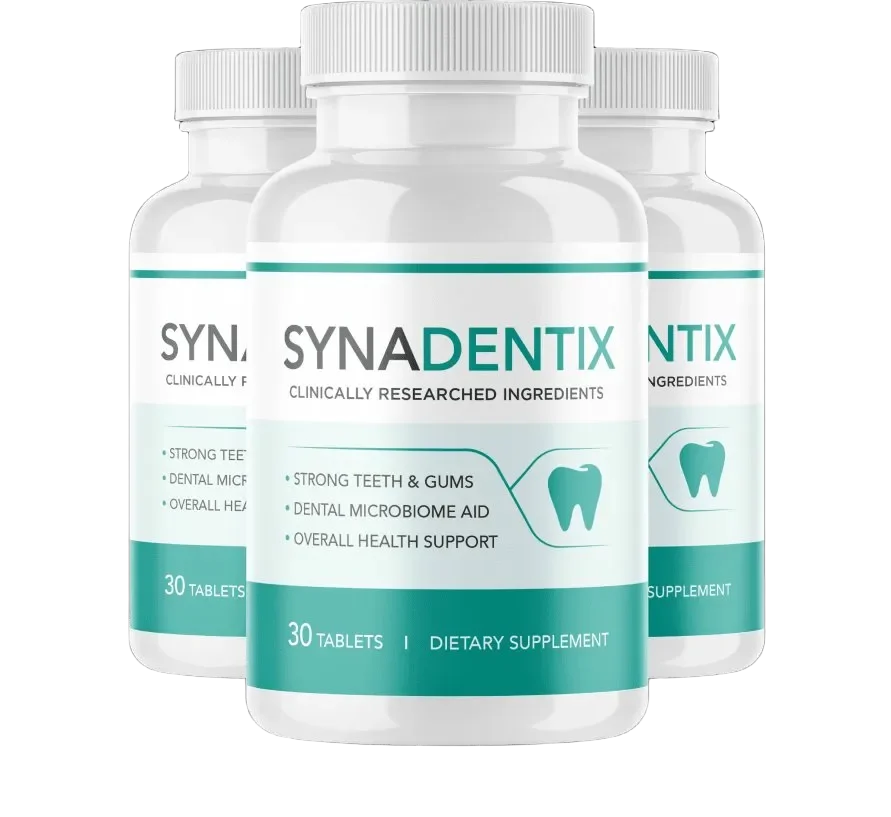
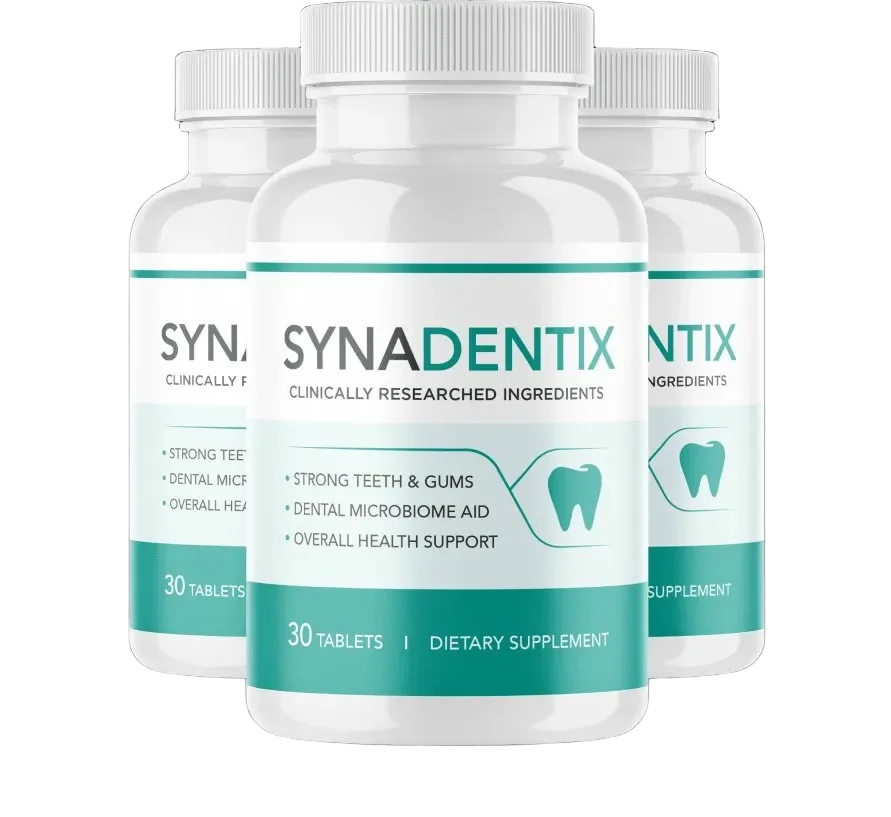
While lifestyle changes are paramount, certain supplements can offer additional support for gum health. Ingredients like specific vitamins, minerals, and herbal extracts can help reduce inflammation, fight bacteria, and support tissue regeneration. Products like Synadentix are designed to complement your daily routine by providing targeted nutritional support for healthier gums and a stronger oral microbiome. For more information, you might explore articles on choosing the best oral health supplement.
The Pillars of Excellent Oral Hygiene
A consistent and effective oral hygiene routine is your first line of defense against gum disease. It's not just about brushing; it's a comprehensive approach to keeping your entire mouth clean and healthy.
Brushing Technique: The way you brush is just as important as how often. Use a soft-bristled toothbrush and hold it at a 45-degree angle to your gums. Gently move the brush in short, circular strokes, ensuring you clean all surfaces of your teeth – outer, inner, and chewing surfaces. Avoid aggressive scrubbing, which can damage gums and tooth enamel. Replace your toothbrush every three to four months, or sooner if the bristles are frayed. An electric toothbrush can be highly effective, often with built-in timers and pressure sensors to guide you.
Flossing Daily: Flossing is non-negotiable for gum health. It removes plaque and food particles from between your teeth and under the gumline, areas your toothbrush cannot reach. Without flossing, these areas become breeding grounds for bacteria, leading to plaque buildup, tartar, and eventually gum inflammation. Use about 18 inches of floss, winding most of it around your middle fingers. Guide the floss between your teeth using a gentle rubbing motion, then curve it into a C-shape against one tooth and slide it gently into the space between the gum and the tooth. Repeat on the adjacent tooth. Don't forget to floss behind your back teeth.
Mouthwash: While not a substitute for brushing and flossing, an antiseptic mouthwash can be a beneficial addition to your routine. It can help reduce plaque and gingivitis, kill bacteria that cause bad breath, and rinse away loose food particles. Look for mouthwashes that are ADA-approved and contain ingredients like chlorhexidine (prescription only for severe cases) or essential oils for their antimicrobial properties. Use it after brushing and flossing, swishing for about 30 seconds before spitting.
Tongue Cleaning: Your tongue can harbor bacteria, food debris, and dead cells, contributing to bad breath and potentially impacting overall oral hygiene. Use a tongue scraper or the back of your toothbrush to gently scrape your tongue from back to front. This simple step can significantly improve the freshness of your breath and reduce the bacterial load in your mouth.
By diligently following these oral hygiene practices, you create an environment where harmful bacteria struggle to thrive, significantly reducing your risk of gum disease and maintaining a fresh, healthy mouth.
Nutrition's Role in Gum Health: Fueling Your Smile
What you eat has a profound impact not just on your overall body health, but specifically on the resilience and health of your gums and teeth. A balanced, nutrient-rich diet is critical in preventing gum disease and supporting the body's natural healing processes.
Anti-Inflammatory Foods: Chronic inflammation is a hallmark of gum disease. Incorporating foods with strong anti-inflammatory properties can help reduce gum swelling and bleeding. Think colorful fruits and vegetables rich in antioxidants like berries, leafy greens (spinach, kale), and bell peppers. Foods high in Omega-3 fatty acids, such as fatty fish (salmon, mackerel), flaxseeds, and walnuts, are also potent anti-inflammatory agents that can benefit gum health. These foods help to calm the immune response and protect gum tissues from damage.
Vitamins and Minerals: Several micronutrients are indispensable for healthy gums. Vitamin C is crucial for collagen production, a vital protein that maintains the integrity of gum tissue. A deficiency can lead to bleeding gums and impaired healing. Citrus fruits, kiwi, and broccoli are excellent sources. Vitamin D, often obtained from sunlight or fortified foods, helps the body absorb calcium, which is essential for strong bones and teeth. Calcium itself is fundamental for bone density, including the alveolar bone that supports your teeth. Dairy products, fortified plant milks, and leafy greens are good sources. For a deeper dive, consider reading about essential vitamins for combating gum disease.
Crunchy Fruits and Vegetables: Apples, carrots, and celery act as natural toothbrushes, helping to scrub away plaque and stimulate saliva flow as you chew. The increased saliva helps wash away food particles and neutralize harmful acids, providing a protective effect for your teeth and gums. Their fibrous texture also massages the gums, promoting healthy circulation.
Limit Sugary and Acidic Foods: Sugars are the primary fuel source for oral bacteria that produce acids, leading to plaque buildup, tooth decay, and gum inflammation. Highly acidic foods and drinks (sodas, citrus juices, sports drinks) can erode tooth enamel, making teeth more vulnerable to decay and sensitivity. Reducing your intake of these items is a simple yet powerful step towards healthier gums and teeth. If consumed, rinse your mouth with water afterward to help neutralize acids.
By making conscious dietary choices, you can significantly empower your body to maintain robust gum health and resist the progression of periodontal disease, complementing your meticulous oral hygiene efforts.
Hydration: The Unsung Hero of Oral Health
Water is essential for every bodily function, and its role in maintaining a healthy mouth is often underestimated. Proper hydration, particularly through water consumption, is a simple yet powerful tool in your arsenal against gum disease.
Saliva Production: The primary benefit of adequate hydration for oral health lies in its direct impact on saliva production. Saliva is your mouth's natural defense mechanism. It constantly washes away food particles and debris, preventing them from clinging to teeth and gums where bacteria can thrive. Saliva also contains essential minerals like calcium, phosphate, and fluoride, which help to remineralize tooth enamel and protect against decay. Furthermore, saliva acts as a buffer, neutralizing acids produced by oral bacteria, thereby maintaining a healthy pH balance in the mouth.
Preventing Dry Mouth: Chronic dry mouth (xerostomia) is a significant risk factor for gum disease and tooth decay. It can be caused by certain medications, medical conditions, or simply insufficient water intake. Without enough saliva, food particles and bacteria accumulate more easily, leading to increased plaque formation and inflammation. Drinking plenty of water throughout the day helps keep your mouth moist, ensuring a steady flow of saliva and minimizing the risks associated with dry mouth.
Flushing Bacteria: Every sip of water helps to rinse bacteria and their acidic byproducts from your teeth and gums. After meals, when food particles are most abundant, drinking water can help cleanse your mouth until you're able to brush and floss. This continuous flushing action contributes to a cleaner oral environment and reduces the burden on your gums.
Supporting Gum Tissue Health: Just like every other tissue in your body, gum tissues need adequate hydration to remain healthy and resilient. Well-hydrated cells are better equipped to fight off infection and repair themselves. Dehydration can make gum tissues more susceptible to irritation and inflammation, hindering their ability to resist bacterial invasion.
Making water your beverage of choice throughout the day is a simple, effective, and often overlooked strategy for promoting optimal gum health and overall oral hygiene. It's a fundamental habit that supports all other efforts to maintain a healthy smile.
Lifestyle Habits That Harm and Help Your Gums
Beyond brushing and flossing, your daily habits significantly influence your risk of developing gum disease. Some habits can undermine even the best oral hygiene routine, while others can provide powerful protective benefits.
Smoking and Tobacco Use: This is arguably the most detrimental habit for gum health. Smoking severely impairs the immune system's ability to fight off bacterial infections in the gums. It reduces blood flow to gum tissues, making them more susceptible to disease and hindering their ability to heal. Smokers are far more likely to develop severe periodontitis, and the disease often progresses more rapidly and is harder to treat. The toxins in tobacco also mask the classic signs of gum disease, like bleeding, making early detection difficult. Quitting smoking is one of the most impactful steps you can take for your gum health.
Excessive Alcohol Consumption: Heavy alcohol use can lead to dry mouth, as alcohol dehydrates the body. A dry mouth reduces saliva flow, which, as discussed, is crucial for washing away food particles and neutralizing acids. Alcohol can also irritate the soft tissues of the mouth, making gums more vulnerable to inflammation and infection. Moderating alcohol intake supports a healthier oral environment.
Stress and Bruxism: Chronic stress weakens the immune system, making your body less effective at fighting off infections, including those in the gums. Stress can also manifest as bruxism (teeth grinding or clenching), often unconsciously during sleep. Bruxism puts excessive force on your teeth and supporting structures, potentially leading to gum recession, tooth mobility, and even bone loss, exacerbating existing gum disease. Managing stress through relaxation techniques, exercise, or meditation can indirectly protect your gums, and a nightguard might be recommended for bruxism.
Poorly Managed Chronic Diseases: Conditions like diabetes, if not well-controlled, significantly increase the risk and severity of gum disease. High blood sugar levels impair the body's ability to fight infection and heal, making diabetics more prone to periodontal issues. Other conditions like heart disease, autoimmune disorders, and even certain medications can impact gum health. Managing these underlying health issues effectively, often in consultation with your doctor, is a critical component of preventing and treating gum disease. For additional natural approaches, you might explore effective natural remedies for optimal oral health.
Regular Exercise: Engaging in regular physical activity can boost your immune system, reduce inflammation throughout the body, and help manage stress. These systemic benefits indirectly contribute to healthier gums by making your body more resilient to infections and better equipped to heal. A healthy body often translates to a healthy mouth.
By being mindful of these habits and actively working to improve them, you create a holistic approach to gum health that goes far beyond just brushing and flossing, fostering a truly healthy foundation for your smile.
Stress Management: A Calmer Mind for Healthier Gums
In our fast-paced world, stress is an undeniable part of life, but its impact on your oral health is often overlooked. Chronic stress can have profound negative effects on your gums, making effective stress management a crucial component of comprehensive oral hygiene.
Weakened Immune Response: When you're under chronic stress, your body releases hormones like cortisol, which, over time, can suppress your immune system. A weakened immune system makes you more vulnerable to infections, including the bacterial infections that cause gum disease. Your body's ability to fight off the plaque-forming bacteria is compromised, allowing gingivitis to progress more easily to periodontitis.
Inflammation Amplification: Stress can also exacerbate inflammatory responses in the body. Since gum disease is primarily an inflammatory condition, heightened systemic inflammation due to stress can intensify gum swelling, bleeding, and tissue breakdown. This creates a vicious cycle where stress worsens gum disease, and the discomfort of gum disease can further increase stress levels.
Behavioral Changes: Stress often leads to less healthy coping mechanisms that directly impact oral health. For instance, people under stress might neglect their oral hygiene routines, skipping brushing or flossing. They might also increase their consumption of sugary comfort foods or drinks, which feed harmful oral bacteria. Stress can also lead to habits like smoking or increased alcohol intake, both significant risk factors for gum disease.
Bruxism (Teeth Grinding and Clenching): A common physical manifestation of stress is bruxism. Unconscious grinding or clenching of teeth, especially during sleep, puts immense pressure on the teeth, jaws, and supporting gum structures. This excessive force can lead to gum recession, loosening of teeth, and even accelerated bone loss around the teeth, making gums more susceptible to disease and hindering their ability to heal. Your dentist might recommend a custom nightguard to protect your teeth and gums if bruxism is a problem.
Effective Stress Management Techniques: Incorporating stress-reducing practices into your daily life can significantly benefit your gum health. Techniques such as meditation, deep breathing exercises, yoga, regular physical activity, spending time in nature, or engaging in hobbies can help lower cortisol levels and strengthen your immune system. Prioritizing adequate sleep is also vital, as sleep deprivation can increase stress and inflammation. By actively managing your stress, you're not only fostering mental well-being but also creating a more resilient environment for your gums to thrive.
The Importance of Regular Dental Check-ups
While daily care is crucial, professional dental care provides an essential layer of protection and early intervention that cannot be replicated at home. Regular dental check-ups are paramount for maintaining optimal gum health and preventing the progression of gum disease.
Professional Cleaning (Prophylaxis): Even with the most diligent brushing and flossing, plaque can harden into tartar (calculus), a calcified deposit that adheres firmly to the tooth surface, both above and below the gumline. Tartar cannot be removed by brushing or flossing and provides a rough surface for more plaque to accumulate, further irritating the gums. During a professional cleaning, a dental hygienist uses specialized tools to remove both plaque and tartar, especially from those hard-to-reach areas. This deep cleaning is vital for reducing bacterial load and allowing the gums to heal.
Early Detection of Gum Disease: Dentists and hygienists are trained to spot the subtle signs of gum disease that you might miss. During a check-up, they will measure the pockets around your teeth (the space between the tooth and gum) to detect any deepening, which indicates gum recession and bone loss. They also examine your gums for redness, swelling, and bleeding, and check for any loose teeth. Catching gum disease in its early stages (gingivitis) means it can often be reversed with simple interventions, preventing it from progressing to more severe and destructive periodontitis.
Personalized Advice and Education: Your dental team can provide tailored advice on improving your brushing and flossing techniques, recommend specific oral hygiene products, or suggest dietary modifications. They can identify risk factors unique to you, such as teeth grinding, dry mouth, or the impact of certain medications, and offer strategies to mitigate these risks. This personalized guidance is invaluable for optimizing your home care routine.
Overall Oral Health Assessment: Beyond gum health, dental check-ups encompass a comprehensive examination of your entire oral cavity. This includes screening for cavities, oral cancer, temporomandibular joint (TMJ) disorders, and other potential issues. Early detection of any problem, whether it's a small cavity or a suspicious lesion, often leads to simpler and more effective treatment outcomes.
Frequency of Visits: For most individuals, visiting the dentist every six months for a check-up and cleaning is recommended. However, if you have a history of gum disease, are a smoker, or have certain medical conditions, your dentist might recommend more frequent visits to closely monitor your gum health and provide necessary interventions. Regular professional care, combined with diligent home care and healthy lifestyle choices, forms the most robust defense against gum disease.
Supporting Your Gums with Targeted Nutrients and Supplements
Even with the best diet and oral hygiene, some individuals may benefit from targeted nutritional support to bolster gum health. Certain vitamins, minerals, and plant extracts have been studied for their potential to reduce inflammation, fight oral bacteria, and support the regeneration of healthy gum tissue. Supplements, like Synadentix, are designed to complement your comprehensive lifestyle approach.
Milk Thistle
Role: Known for its liver-protective properties, Milk Thistle also possesses powerful antioxidant and anti-inflammatory compounds. In the context of oral health, it can help reduce systemic inflammation that contributes to gum disease and support detoxification processes that indirectly benefit overall health.
Berberine
Role: This natural compound, found in plants like goldenseal and barberry, is celebrated for its strong antimicrobial and anti-inflammatory effects. Berberine can help combat harmful oral bacteria responsible for plaque formation and gum infections, while also reducing the inflammatory response in gum tissues, promoting healing.
Zinc
Role: An essential mineral crucial for immune function and wound healing. Zinc plays a vital role in maintaining the integrity of oral tissues and is involved in the body's defense against bacterial infections. Adequate zinc levels can help strengthen gums and accelerate recovery from inflammation.
Chromium
Role: Primarily known for its role in blood sugar regulation, Chromium can indirectly support gum health. Stable blood sugar levels are crucial for individuals with diabetes, a major risk factor for gum disease. By helping to maintain glycemic control, Chromium contributes to a healthier oral environment.
Alpha Lipoic Acid (ALA)
Role: A potent antioxidant that helps protect cells from oxidative damage, which is a significant factor in the progression of gum disease. ALA also supports nerve health and can help reduce inflammation, contributing to overall gum tissue vitality and resilience.
Green Tea Extract
Role: Rich in catechins, particularly EGCG, Green Tea is a powerful antioxidant and anti-inflammatory agent. Studies suggest it can inhibit the growth of bacteria associated with gum disease, reduce inflammation, and even help prevent bone loss that occurs in periodontitis.
Resveratrol
Role: Found in grapes and berries, Resveratrol is a polyphenol with significant antioxidant and anti-inflammatory properties. It can help protect gum tissues from oxidative stress and inflammation, supporting cellular health and potentially slowing the progression of gum disease.
Cayenne Fruit
Role: Contains capsaicin, which can improve circulation. Enhanced blood flow to the gums means better delivery of nutrients and oxygen, and more efficient removal of waste products, all vital for healthy, resilient gum tissues.
Ginseng
Role: An adaptogen known for its immune-boosting and anti-inflammatory properties. Ginseng can help the body adapt to stress and strengthen its natural defenses against infections, including those affecting the gums. It supports overall systemic health, which is intricately linked to oral health.
Banaba Leaf
Role: Contains corosolic acid, which is known for its blood sugar-lowering effects. Similar to Chromium, by supporting healthy glucose metabolism, Banaba Leaf indirectly contributes to a healthier oral environment, especially beneficial for individuals managing blood sugar levels.
These ingredients, when combined in a carefully formulated supplement like Synadentix, offer a synergistic approach to supporting your gum health from within, complementing your diligent oral hygiene and healthy lifestyle choices.
Transform Your Gum Health with Synadentix
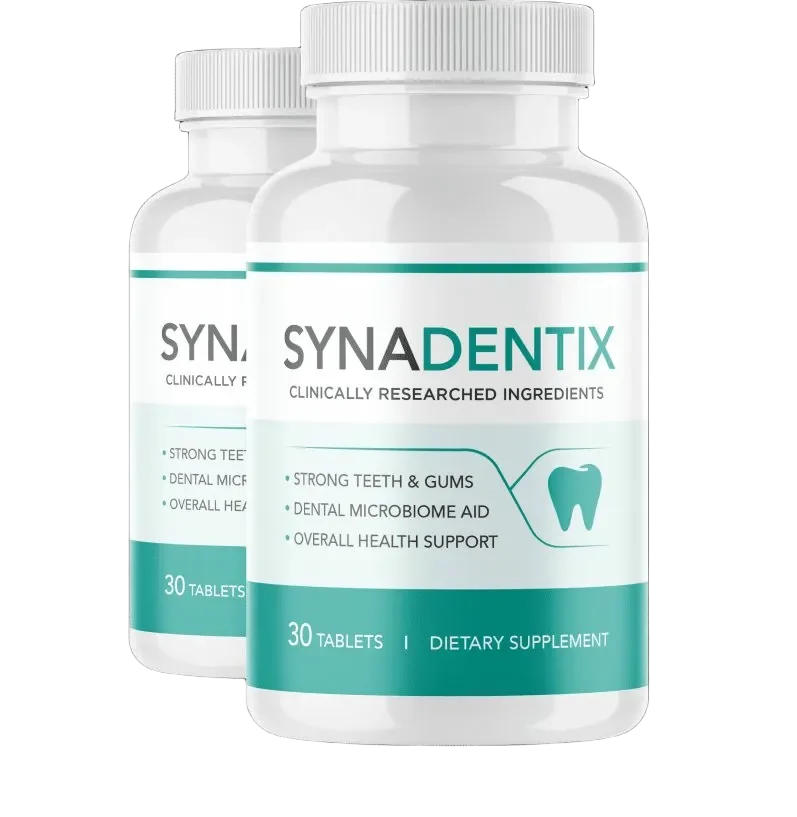
Synadentix offers a powerful, natural approach to supporting gum health and oral hygiene, working synergistically with your lifestyle efforts. Formulated with a blend of potent ingredients, Synadentix is designed to address the root causes of gum issues and promote a healthier, more vibrant smile.
- ✓ Supports healthy gums and strong teeth
- ✓ Promotes fresh breath and a balanced oral microbiome
- ✓ Helps reduce inflammation and discomfort
- ✓ Crafted with 100% natural, plant-based ingredients
- ✓ Made in the USA in a GMP-certified facility




Real Stories, Real Results: Synadentix Users Share Their Experience
"I've struggled with bleeding gums for years, despite consistent brushing and flossing. Since adding Synadentix to my routine, I've noticed a dramatic reduction in bleeding and my gums feel much firmer. My dentist even commented on the improvement at my last check-up. It's truly made a difference!"
"Synadentix has been a game-changer for my oral health. Not only have my gums stopped being so sensitive, but my breath feels fresher throughout the day. I was skeptical at first, but the natural ingredients and the noticeable results have made me a believer. Highly recommend it to anyone looking to improve their gum health."
"After years of dealing with gingivitis and constant irritation, I decided to try Synadentix. Combined with my improved brushing habits, my gums feel so much healthier and look less inflamed. It's given me confidence in my smile again. The 60-day guarantee made it an easy decision to try, and I'm so glad I did!"
Frequently Asked Questions
What are the early signs of gum disease I should look out for?
+Early signs of gum disease, often called gingivitis, include red, swollen, or tender gums that bleed easily when you brush or floss. You might also notice persistent bad breath or a bad taste in your mouth. At this stage, gum disease is often reversible with improved oral hygiene and professional cleaning.
How often should I brush and floss for optimal gum health?
+For optimal gum health, it is recommended to brush your teeth twice a day for two minutes each time, using a soft-bristled toothbrush and fluoride toothpaste. Flossing should be done at least once a day to remove plaque and food particles from between your teeth and under the gumline where your toothbrush can't reach.
Can diet truly impact my gum health?
+Absolutely. Your diet plays a significant role in gum health. Foods rich in vitamins C and D, calcium, and antioxidants can help strengthen gum tissues and reduce inflammation. Conversely, diets high in sugar and refined carbohydrates can fuel harmful bacteria, increasing your risk of gum disease. Staying well-hydrated is also crucial for saliva production, which helps neutralize acids and wash away food particles.
Is Synadentix suitable for everyone?
+Synadentix is formulated with natural ingredients and is generally well-tolerated. However, if you have pre-existing medical conditions, are pregnant or nursing, or are taking medications, it is always recommended to consult with your healthcare provider before starting any new supplement regimen, including Synadentix, to ensure it is appropriate for your individual health needs.
How long does it take to see improvements in gum health with lifestyle changes and supplements?
+The timeline for seeing improvements can vary depending on the severity of your initial gum condition and your consistency with lifestyle changes and supplement use. Many individuals report noticing positive changes in gum inflammation, bleeding, and overall oral freshness within a few weeks of adopting better oral hygiene, dietary habits, and using supportive supplements like Synadentix. Consistent, long-term effort yields the best results.
What role do regular dental check-ups play if I'm already practicing good oral hygiene?
+Regular dental check-ups are indispensable, even with excellent daily oral hygiene. Dentists and dental hygienists can identify early signs of problems, remove hardened plaque (tartar) that brushing and flossing can't, and provide professional cleanings. They can also offer personalized advice and monitor your gum health over time, ensuring any issues are addressed promptly before they escalate.
Related Articles