Is Your Smoking Habit Silently Destroying Your Gums?
For many, the link between smoking and lung disease is clear, but its devastating impact on oral health often remains a silent killer. Smoking is not just a risk factor for gum disease; it is one of the most significant and aggressive contributors to its development and progression, turning a treatable condition into a relentless battle against tooth loss and systemic health issues.
The chemicals in tobacco smoke launch a direct assault on your mouth's delicate ecosystem, leading to chronic inflammation, impaired healing, and a compromised immune response. This makes smokers far more susceptible to severe forms of gum disease, often with symptoms masked until irreversible damage has occurred. Understanding this connection is the first crucial step towards protecting your smile and overall well-being.
Understanding Gum Disease: More Than Just a Sore Mouth
Before delving into smoking's specific effects, it's essential to grasp what gum disease entails. It's a progressive inflammatory condition affecting the tissues surrounding and supporting your teeth, primarily caused by bacterial plaque buildup.
Gum disease manifests in two main forms: gingivitis and periodontitis. Gingivitis is the milder, reversible stage, characterized by inflamed, red, swollen gums that may bleed easily during brushing or flossing. It's often caused by inadequate oral hygiene, allowing plaque to accumulate along the gumline. At this stage, professional cleaning and diligent home care can usually restore gum health.
However, if gingivitis is left untreated, it can advance to periodontitis, a much more serious and destructive condition. In periodontitis, the inflammation spreads below the gumline, leading to the formation of pockets between the teeth and gums. These pockets become breeding grounds for bacteria, which then attack the bone and connective tissues that hold teeth in place. As the disease progresses, bone loss occurs, gums recede, and teeth may become loose, eventually leading to tooth loss. Unlike gingivitis, the damage caused by periodontitis, particularly bone loss, is often irreversible, although its progression can be halted with aggressive treatment and lifestyle changes.
The presence of gum disease is not merely an oral health concern; it's increasingly recognized as a systemic issue. Chronic inflammation in the mouth can contribute to or worsen conditions elsewhere in the body, including cardiovascular disease, diabetes, respiratory problems, and even adverse pregnancy outcomes. This underscores the critical importance of maintaining healthy gums for overall well-being.
💡 Key Takeaway
Gum disease progresses from reversible gingivitis to destructive periodontitis, leading to irreversible bone and tissue loss. Its impact extends beyond the mouth, affecting overall systemic health, making early detection and intervention crucial.
The Direct Assault: How Smoking Initiates Gum Damage
Smoking doesn't just irritate your gums; it actively creates a hostile environment that invites and accelerates gum disease from the very first puff. The mechanisms are complex and multi-faceted, involving direct chemical damage, altered immune responses, and changes to the oral microbiome.
One of the immediate effects of smoking is vasoconstriction – the narrowing of blood vessels. Nicotine, a potent chemical in tobacco, causes blood vessels in the gums to constrict, significantly reducing blood flow to the gum tissues. This diminished blood supply means that your gums receive less oxygen and fewer vital nutrients, making them weaker and more susceptible to infection. Furthermore, this reduced blood flow also hinders the body's ability to deliver immune cells and healing factors to fight off bacterial invaders, essentially disarming your natural defenses right where they're needed most. This lack of oxygen also creates an anaerobic environment, favoring the growth of particularly aggressive periodontitis-causing bacteria.
Beyond blood flow, the thousands of toxic chemicals in tobacco smoke, including tar, carbon monoxide, and various carcinogens, directly irritate and damage gum tissues. These toxins can break down the protective barrier of the oral mucosa, making it easier for bacteria to penetrate. They also interfere with the normal function of gum cells, impairing their ability to regenerate and repair themselves. This constant chemical assault leads to chronic, low-grade inflammation that, over time, escalates into full-blown gum disease. The destructive cycle begins with these direct attacks, setting the stage for more severe problems down the line.
The heat generated from smoking also plays a role, causing thermal damage to the delicate oral tissues. This combined chemical and thermal stress further weakens the gums, making them less resilient to the everyday challenges of plaque and bacteria. It's a relentless barrage that compromises the very foundation of oral health.
Smoking's Deceptive Mask: Hiding the Warning Signs
Perhaps one of the most dangerous aspects of smoking in relation to gum disease is its ability to mask the classic warning signs, leading to delayed diagnosis and more advanced disease by the time symptoms become apparent.
Reduced Gum Bleeding
Normally, bleeding gums are a primary indicator of gingivitis. However, due to the vasoconstrictive effects of nicotine, smokers often experience significantly less gum bleeding, even when their gums are severely inflamed and infected. The constricted blood vessels simply prevent blood from reaching the surface to bleed. This deceptive lack of bleeding can falsely reassure smokers that their gums are healthy, delaying essential intervention.
Altered Gum Appearance
The gums of smokers may appear pale or grayish, rather than the characteristic red and swollen appearance seen in non-smokers with gingivitis. This altered coloration, again due to reduced blood flow, can make it challenging for both patients and even dental professionals to identify early signs of inflammation, allowing the disease to progress unchecked beneath a seemingly 'normal' surface.
Delayed Diagnosis
Because the typical warning signs are suppressed, smokers often don't realize they have gum disease until it has reached an advanced stage. By this point, significant bone loss and tissue destruction may have occurred, making treatment more complex, extensive, and less predictable. This delay in diagnosis translates directly into poorer prognoses and an increased risk of tooth loss.
Masked Pain Perception
Smoking can also affect nerve endings and perception, potentially dulling the sensation of pain or discomfort in the gums. This can further contribute to the silent progression of gum disease, as the body's natural warning system is compromised. Patients may only experience pain when the disease is severely advanced or an acute infection develops, by which time considerable damage has already taken place.
Worsening Periodontitis: The Accelerated Destruction
Once gum disease progresses to periodontitis, smoking dramatically accelerates its destructive course, making it more severe, more resistant to treatment, and leading to faster tooth loss.
Smoking compromises the body's immune system, specifically affecting the function of white blood cells (neutrophils and macrophages) that are crucial for fighting bacterial infections. Smokers have a reduced ability to mount an effective immune response against the bacteria causing periodontitis. This means that once bacteria colonize the periodontal pockets, the body struggles to clear them, allowing the infection to run rampant. Furthermore, smoking can alter the type of bacteria present in the mouth, favoring more aggressive and destructive strains that are harder to eradicate. This leads to a more virulent form of the disease, often referred to as aggressive periodontitis, which can cause rapid bone and tissue loss.
The impaired healing capabilities of smokers are another critical factor. Smoking interferes with the normal wound healing process, essential after any dental treatment for gum disease, such as scaling and root planing or periodontal surgery. The reduced blood flow, compromised immune response, and direct cellular damage from tobacco toxins mean that gum tissues heal much slower and less effectively. This translates to poorer outcomes for treatments aimed at regenerating lost bone or reattaching gums to teeth. For instance, smokers undergoing gum surgery have a significantly higher risk of complications and a lower chance of achieving successful tissue regeneration compared to non-smokers.
Moreover, smoking increases the production of pro-inflammatory cytokines, which are molecules that drive inflammation and tissue breakdown. This heightened inflammatory state contributes to the continuous destruction of the periodontal ligament and alveolar bone, the structures that anchor teeth in the jaw. The cumulative effect is a cycle of chronic inflammation and tissue destruction that relentlessly erodes the support for your teeth, often leading to their premature loss. The insidious nature of smoking means that this destruction can often occur without significant pain until the teeth become severely loose, highlighting the importance of regular dental check-ups, especially for smokers.
This accelerated destruction is why smokers are not only more likely to develop gum disease but also to experience it in a more severe form, with deeper pockets, greater bone loss, and a higher rate of tooth extraction. The long-term prognosis for teeth affected by periodontitis is significantly worse in individuals who continue to smoke.
The Impact on Dental Treatments and Oral Health Interventions
Smoking doesn't just cause gum disease; it also severely compromises the effectiveness and success rates of virtually all dental treatments, particularly those related to periodontal health and restorative dentistry.
For individuals requiring periodontal treatment, such as scaling and root planing (deep cleaning), the outcome is often less favorable for smokers. The constricted blood vessels and impaired immune response make it harder for the gums to heal and reattach to the tooth surfaces after bacteria and calculus are removed. This can lead to persistent pockets and ongoing inflammation, requiring more frequent and aggressive interventions. Similarly, advanced periodontal surgeries aimed at regenerating lost bone or gum tissue have significantly lower success rates in smokers, often due to poor healing and increased risk of infection. The body's ability to repair itself is simply overwhelmed by the continuous assault of tobacco chemicals.
When it comes to restorative dentistry, especially dental implants, smoking poses a major risk. Dental implants rely on a process called osseointegration, where the implant fuses directly with the jawbone. Smoking significantly impairs this process, leading to a much higher rate of implant failure. The reduced blood supply, compromised bone metabolism, and increased risk of peri-implantitis (gum disease around implants) mean that smokers are often advised to quit before undergoing implant surgery, and even then, their long-term prognosis remains guarded. Many dentists will outright refuse to place implants in active smokers due to these elevated risks.
Beyond specialized treatments, even routine dental care is affected. Smokers are more prone to developing dry mouth, which reduces saliva flow, a natural defense mechanism against bacteria and acids. This increases the risk of tooth decay and further exacerbates gum problems. The staining of teeth, bad breath (halitosis), and a dulled sense of taste are also common, though less severe, consequences. For a deeper dive into how specific ingredients can support oral health, you might find our article on Synadentix Ingredients: Hydroxyapatite, Lactoferrin, Enzymes helpful in understanding supportive measures.
In essence, smoking creates a continuous uphill battle for both patients and dental professionals, making every attempt to restore oral health more challenging and less predictable. The best strategy to ensure treatment success is to address the root cause: the smoking habit itself.
Beyond Gums: Smoking's Broader Oral Health Consequences
While gum disease is a primary concern, smoking casts a wide net of destruction across the entire oral cavity, leading to a spectrum of other serious health issues that extend beyond the periodontal tissues.
One of the most alarming consequences is the significantly increased risk of oral cancer. Tobacco use, including cigarettes, cigars, pipes, and smokeless tobacco, is the leading cause of oral, throat, and esophageal cancers. The carcinogens in tobacco directly damage the DNA of cells lining the mouth and throat, leading to uncontrolled cell growth. Oral cancer can manifest as persistent sores, lumps, white or red patches in the mouth, and can be life-threatening if not detected and treated early. The risk is dose-dependent, meaning the more you smoke and the longer you smoke, the higher your risk. Regular dental check-ups are vital for early detection, as dentists are often the first to spot suspicious lesions.
Smoking also contributes to halitosis, or chronic bad breath, which is often resistant to conventional remedies. The chemicals in tobacco, combined with the dry mouth and bacterial imbalances it causes, create a persistent unpleasant odor that can severely impact social interactions and self-confidence. Furthermore, the aesthetic impact of smoking, such as severe tooth staining (nicotine and tar residues), is well-known. These stains penetrate the enamel and dentin, making teeth appear yellow or brown and often requiring professional whitening treatments that may not fully restore natural brightness.
Other issues include delayed healing after tooth extractions or oral surgery, a higher incidence of dry socket, and an increased susceptibility to fungal infections like oral thrush due to altered oral flora and immune suppression. The cumulative effect of these problems paints a grim picture for the oral health of smokers, demonstrating that the habit undermines nearly every aspect of the mouth's health and function. Understanding these broader risks underscores the urgency of quitting and adopting comprehensive oral care strategies.
Taking Action: Strategies for Protecting Your Gums
While the outlook for smokers' oral health can seem dire, it's crucial to remember that it's never too late to take action. The most impactful step is to quit smoking, but a multi-faceted approach is often necessary to mitigate existing damage and prevent further progression.
Quit Smoking
This is, without a doubt, the single most important step you can take for your oral and overall health. Quitting smoking immediately begins to improve blood flow to your gums, strengthens your immune system, and enhances your body's ability to heal. Even if you've smoked for decades, the benefits of cessation are profound and begin almost instantly. Seek support from healthcare professionals, support groups, or cessation programs to increase your chances of success.
Maintain Impeccable Oral Hygiene
Brush your teeth twice a day for two minutes with a fluoride toothpaste, paying close attention to the gumline. Floss daily to remove plaque and food particles from between teeth and under the gumline where your toothbrush can't reach. Consider using an antiseptic mouthwash to further reduce bacterial load. Consistent and thorough oral hygiene is your frontline defense against plaque buildup, which is the primary cause of gum disease.
Regular Dental Check-ups and Cleanings
For smokers, regular visits to the dentist are even more critical. Your dentist and dental hygienist can detect early signs of gum disease that you might miss, especially given smoking's ability to mask symptoms. Professional cleanings can remove hardened plaque (calculus) that cannot be removed by brushing and flossing alone. Your dental team can also provide personalized advice and monitor your gum health closely.
Nutritional Support and Hydration
A balanced diet rich in vitamins and minerals, particularly Vitamin C and D, and calcium, supports healthy gums and bones. Avoid excessive sugary foods and drinks, which feed harmful oral bacteria. Staying well-hydrated by drinking plenty of water also helps maintain saliva flow, which is crucial for washing away food particles and neutralizing acids. For more information on holistic approaches, you might consider reading Synadentix Reviews: Real Results from Real Users to see how others have incorporated supportive supplements into their routines.
Consider Supportive Oral Health Supplements
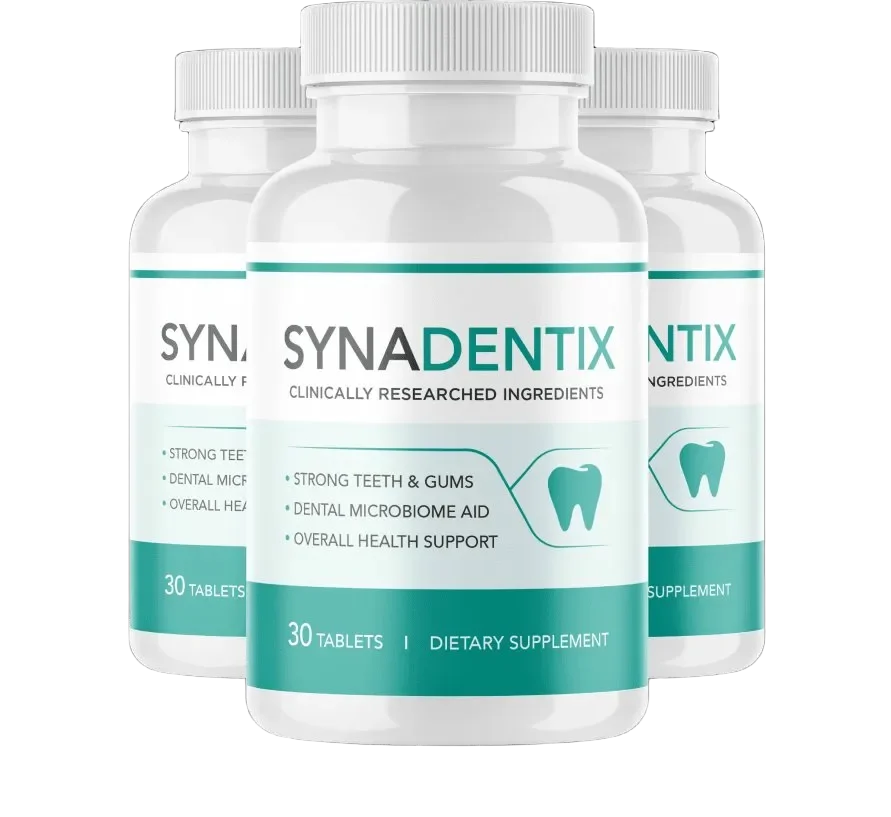
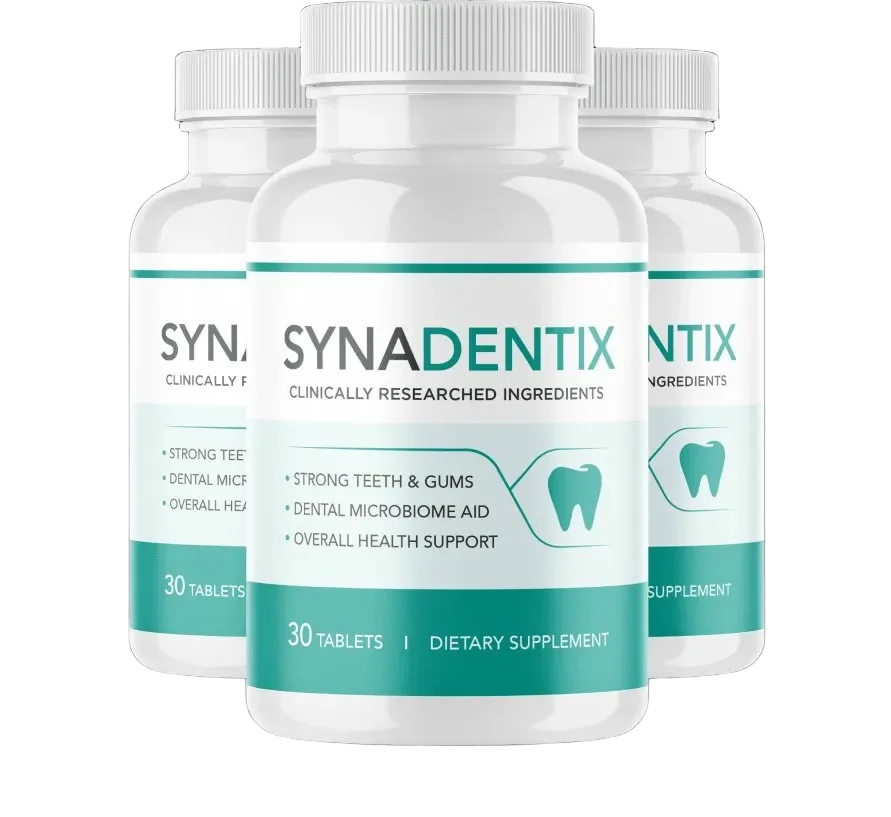
While not a substitute for professional care or quitting smoking, certain oral health supplements can offer additional support. Products like Synadentix, formulated with ingredients like Hydroxyapatite, Lactoferrin, and various enzymes, are designed to strengthen enamel, balance the oral microbiome, and soothe gum tissues. These can be part of a comprehensive strategy to bolster your mouth's natural defenses and aid in recovery. Always consult with your dentist before adding new supplements to your routine.
Manage Stress and Other Health Conditions
Stress can suppress the immune system, potentially worsening gum disease. Incorporate stress-reduction techniques into your daily life. Additionally, manage systemic health conditions like diabetes, which are closely linked to gum disease. Controlling blood sugar levels, for instance, can significantly improve gum health outcomes. For potential interactions or concerns with existing health conditions, refer to our article on Synadentix Side Effects.
Synadentix: A Natural Approach to Supporting Gum Health
While quitting smoking and diligent oral hygiene are paramount, integrating a supportive supplement like Synadentix can provide an additional layer of defense and aid in the recovery of gum health. Synadentix is formulated with a blend of natural ingredients specifically chosen for their potential benefits to the oral microbiome, enamel strength, and gum tissue integrity.
Hydroxyapatite
Role: A naturally occurring mineral that forms the primary component of tooth enamel and bone. In Synadentix, it helps to remineralize and strengthen tooth enamel, repairing microscopic imperfections and reducing sensitivity, which can be beneficial for teeth compromised by gum disease.
Lactoferrin
Role: A potent antimicrobial protein found in saliva and other bodily secretions. Lactoferrin helps to inhibit the growth of harmful bacteria and fungi in the mouth, while also reducing inflammation and supporting the body's natural immune response, crucial for fighting gum infections.
Digestive Enzymes (e.g., Amylase, Protease)
Role: These enzymes assist in breaking down food particles and bacterial biofilms in the mouth, reducing the substrate for plaque formation and making it easier for brushing and flossing to be effective. They contribute to a cleaner oral environment and can help reduce bad breath.
Xylitol
Role: A natural sugar alcohol that actively inhibits the growth of Streptococcus mutans, the primary bacteria responsible for tooth decay. Xylitol also helps to stimulate saliva flow, which is beneficial for neutralizing acids and remineralizing enamel, further supporting overall oral health.
By combining these powerful ingredients, Synadentix aims to create a more resilient oral environment, helping to protect against the detrimental effects of bacteria and inflammation that are exacerbated by smoking. It's a supportive tool in your journey towards healthier gums and a brighter smile.
Take Control of Your Gum Health Today
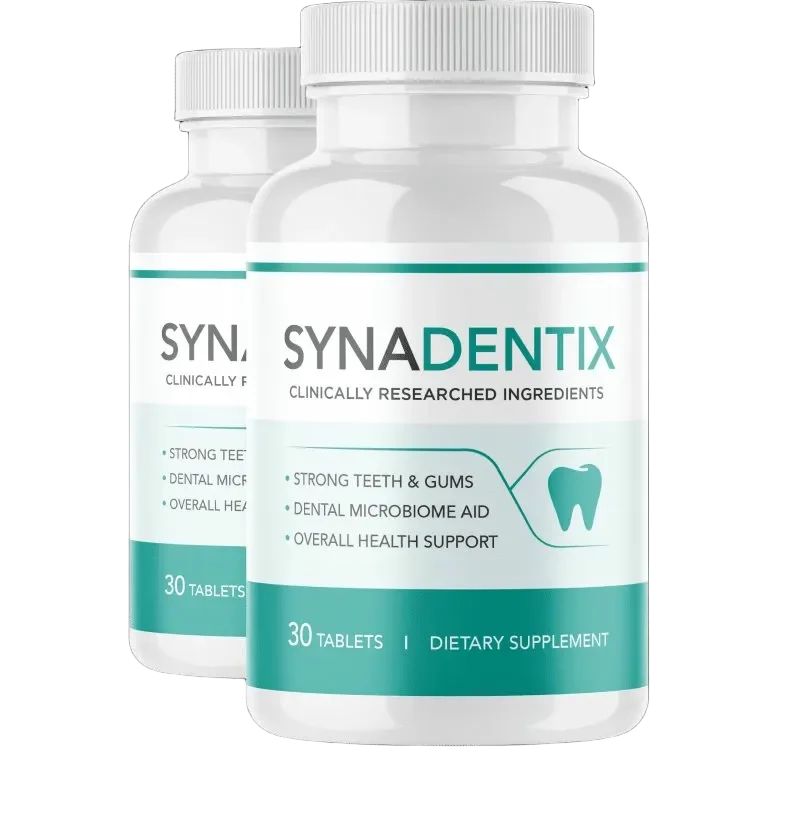
Don't let the destructive effects of smoking dictate the future of your smile. While quitting smoking is the most crucial step, supporting your oral health with targeted solutions can make a profound difference. Synadentix offers a natural approach to complement your dental care routine, empowering your gums with vital nutrients and protective compounds.
- ✓ Supports healthy gum tissue and reduces inflammation
- ✓ Helps remineralize and strengthen tooth enamel
- ✓ Balances the oral microbiome to fight bad bacteria
- ✓ Made with 100% natural, scientifically-backed ingredients
- ✓ Easy to integrate into your daily oral hygiene routine




What Our Users Say About Supporting Their Oral Health
"After years of neglecting my gums, I started using Synadentix alongside my dentist's advice. I've noticed a significant reduction in gum sensitivity and my mouth feels much cleaner. It's been a game-changer for my oral health journey."
"I was skeptical at first, but Synadentix really works. My gums feel healthier, and I've even noticed less morning breath. It's a relief to find something that genuinely supports my oral hygiene efforts, especially as a former smoker."
"My dentist recommended I try an oral supplement to support my gum health, and Synadentix came highly reviewed. I'm so glad I did! My gums bleed less, and my teeth feel stronger. It's now a permanent part of my daily routine."
Frequently Asked Questions
How does smoking directly damage gums?
+Smoking introduces thousands of toxic chemicals into your mouth, directly irritating gum tissues. These chemicals reduce blood flow, starve cells of oxygen and nutrients, and create an environment where harmful bacteria thrive, leading to chronic inflammation and tissue breakdown.
Can quitting smoking reverse gum disease?
+While advanced gum disease (periodontitis) often causes irreversible damage, quitting smoking significantly improves your body's ability to heal and respond to treatment. It can halt the progression of the disease, reduce inflammation, and improve the long-term prognosis for your gums and teeth. Early stages like gingivitis can often be fully reversed with cessation and improved oral hygiene.
What are the early signs of gum disease in smokers?
+One of the most insidious effects of smoking is its ability to mask the common signs of gum disease. Smokers often experience less bleeding gums, even with significant inflammation, due to constricted blood vessels. However, other signs like persistent bad breath, receding gums, loose teeth, or a dull ache in the gums can still indicate a problem. Regular dental check-ups are crucial for early detection in smokers.
Is gum disease treatment less effective for smokers?
+Yes, research consistently shows that gum disease treatments, including scaling and root planing, gum surgery, and dental implant placement, have significantly lower success rates in smokers compared to non-smokers. Smoking impairs healing, reduces the effectiveness of antibiotics, and increases the risk of complications, making it harder for tissues to recover and regenerate.
How does Synadentix support gum health?
+Synadentix is formulated with natural ingredients like Hydroxyapatite, Lactoferrin, and various enzymes designed to support overall oral health. It aims to strengthen tooth enamel, reduce harmful oral bacteria, soothe gum inflammation, and help maintain a balanced oral microbiome. While not a cure for gum disease, it can be a valuable part of a comprehensive oral care routine, especially when combined with professional dental care and lifestyle changes.
Are there other lifestyle changes to improve gum health besides quitting smoking?
+Absolutely. Beyond quitting smoking, maintaining excellent oral hygiene (brushing twice daily, flossing daily), adopting a balanced diet rich in vitamins and minerals, managing stress, and regular dental check-ups are vital. Limiting sugary foods and drinks, staying hydrated, and avoiding excessive alcohol consumption also contribute significantly to healthy gums and teeth.
Related Articles