Are Your Hormones Secretly Harming Your Gums?
For women, the journey through life is often marked by a series of profound hormonal shifts – from the onset of puberty and monthly menstrual cycles to the transformative experiences of pregnancy and the eventual transition into menopause. While these changes are widely recognized for their systemic impact, many are unaware of the significant role they play in oral health, particularly in the prevalence and severity of gum disease.
It's not just about diligent brushing and flossing; your body's internal chemistry, specifically the ebb and flow of hormones like estrogen and progesterone, can create a unique environment in your mouth that either protects or predisposes you to gum inflammation and infection. This intricate connection means that understanding your hormonal landscape is a crucial step in safeguarding your dental well-being.
The Hormonal Orchestra: How Estrogen and Progesterone Influence Your Gums
To truly grasp the impact of hormones on gum disease, we must first understand the biological mechanisms at play. It's a complex interplay of vascular changes, immune responses, and alterations in the oral microbiome.
The primary culprits in this hormonal narrative are estrogen and progesterone. These steroid hormones, while essential for female reproductive health, also have a profound influence on non-reproductive tissues throughout the body, including the delicate tissues of the gums. When levels of these hormones fluctuate, they can significantly alter the oral environment, making it more susceptible to inflammation and bacterial attack.
One of the most notable effects is on the blood vessels in the gum tissue. Increased levels of estrogen and progesterone lead to an expansion of capillaries and increased blood flow to the gums. This heightened vascularity, while seemingly beneficial, can make the gums more sensitive, swollen, and prone to bleeding. Think of it like a sponge that's already saturated – even a slight irritant can cause it to overflow.
Furthermore, these hormones can affect the body's immune response. They can influence the activity of immune cells and alter the inflammatory pathways, leading to an exaggerated inflammatory response to the presence of plaque bacteria. This means that even a small amount of plaque, which might not cause significant issues in a hormonally stable individual, can trigger a severe inflammatory reaction in someone experiencing hormonal shifts.
The oral microbiome, the diverse community of bacteria living in your mouth, is also not immune to hormonal influence. Some studies suggest that elevated hormone levels can favor the growth of certain types of bacteria known to contribute to gum disease, such as Porphyromonas gingivalis. These bacteria thrive in the altered environment, further accelerating the disease process. For a deeper dive into these microscopic inhabitants, you might find our article on The Role of Oral Bacteria in Gum Disease insightful.
💡 Key Takeaway
Hormonal shifts, particularly in estrogen and progesterone, increase blood flow to gum tissues, making them more sensitive and reactive to plaque bacteria. This can lead to exaggerated inflammation and bleeding, even with minimal plaque, and may alter the oral microbiome to favor harmful bacteria.
Hormonal Milestones: How Each Stage Affects Your Gums
A woman's life is a journey through various hormonal landscapes, each with its unique implications for oral health. Understanding these stages is key to proactive gum care.
Puberty: The Dawn of Hormonal Sensitivity
As girls enter puberty, the surge in estrogen and progesterone can lead to a condition known as puberty gingivitis. The gums become more responsive to plaque, often appearing red, swollen, and prone to bleeding. This is a critical time for establishing excellent oral hygiene habits, as even minor plaque accumulation can cause significant inflammation. Regular dental check-ups are essential to monitor these changes.
Menstrual Cycle: Monthly Fluctuations
Many women experience cyclical changes in their gums related to their menstrual cycle. Around the time of ovulation or just before menstruation, some may notice their gums become more swollen, tender, or bleed more easily. This is due to the temporary rise in hormone levels. While usually mild, it underscores the ongoing sensitivity of gum tissues to hormonal shifts.
Oral Contraceptives: A Daily Dose of Hormones
Women taking oral contraceptives may also experience increased gum sensitivity and inflammation. The synthetic hormones in these medications can mimic the effects of natural hormonal surges, leading to a heightened inflammatory response to plaque. It's crucial to inform your dentist if you are on birth control, as this information can influence your dental care plan.
Pregnancy: A Period of Heightened Vulnerability
Pregnancy brings about dramatic hormonal changes, leading to pregnancy gingivitis in up to 75% of expectant mothers. Elevated estrogen and progesterone levels cause gums to become extremely sensitive, swollen, and prone to bleeding. In some cases, benign gum growths called "pregnancy tumors" or pyogenic granulomas may appear. Untreated gum disease during pregnancy has been linked to adverse outcomes like preterm birth and low birth weight, making diligent oral care paramount.
Menopause: The Decline and Its Consequences
As women transition into menopause, declining estrogen levels can lead to a range of oral health issues. These include dry mouth (xerostomia), a burning sensation in the mouth (menopausal gingivostomatitis), altered taste, and bone loss in the jaw, which can exacerbate gum disease and increase the risk of tooth loss. The protective effects of estrogen diminish, making gums more fragile and susceptible to inflammation and infection. It's a critical period for maintaining robust oral hygiene and seeking regular dental care.
Recognizing the Warning Signs: Don't Ignore Your Gums
Being aware of the symptoms of gum disease, especially during periods of hormonal flux, is crucial for early intervention and preventing more severe complications. Your gums often provide the first clues that something is amiss.
The most common signs of gingivitis, the early stage of gum disease, include red, swollen, or tender gums. You might notice that your gums bleed easily when you brush or floss, even gently. While a little bleeding might seem minor, it's a significant indicator of inflammation and should never be ignored. During hormonal changes, these symptoms can be exaggerated, appearing more intensely than usual.
As gum disease progresses to periodontitis, the signs become more severe. You may experience persistent bad breath (halitosis) that doesn't go away with brushing, a receding gum line that makes your teeth look longer, or the formation of deep pockets between your teeth and gums where food particles and bacteria can accumulate. Other advanced symptoms include loose or shifting teeth, a change in how your teeth fit together when you bite, or even pus around the teeth and gums.
For women, these symptoms can often be dismissed as "just part of" a menstrual cycle or pregnancy, but it's vital to recognize them as potential indicators of a developing or worsening oral health problem. Regular self-checks in the mirror and paying attention to how your gums feel can empower you to seek professional help sooner. Remember, early detection is key to successful treatment and preventing irreversible damage.
Proactive Strategies for Hormonally-Sensitive Gums
While hormonal influences are powerful, they don't mean you're powerless against gum disease. A comprehensive approach combining diligent oral hygiene, lifestyle adjustments, and targeted support can make a significant difference.
Master Your Oral Hygiene Routine
Brush at least twice a day with a soft-bristled brush, using gentle, circular motions. Floss daily to remove plaque and food particles from between teeth and under the gum line. Consider an antimicrobial mouthwash to further reduce bacterial load. Consistency is paramount, especially during periods of hormonal flux.
Prioritize a Nutrient-Rich Diet
What you eat profoundly impacts your oral health. A diet rich in vitamins (especially C and D), minerals, and antioxidants supports gum tissue health and strengthens your immune system. Limit sugary snacks and drinks, which feed harmful oral bacteria. Hydration is also key for saliva production, a natural defense mechanism. For more information, check out our guide on The Best Diet for Healthy Gums.
Regular Dental Check-ups & Cleanings
Don't skip your dental appointments! Professional cleanings remove hardened plaque (tartar) that brushing and flossing can't touch. Your dentist can also monitor your gum health, identify early signs of disease, and provide tailored advice, especially if you're experiencing significant hormonal changes.
Avoid Tobacco Products
Smoking and other tobacco products are major risk factors for gum disease. They impair blood flow to the gums, hinder healing, and weaken your immune system's ability to fight off infection, making hormonally-induced gum problems even worse.
Manage Stress Effectively
Chronic stress can suppress the immune system, making your body more vulnerable to inflammation and infection, including in the gums. Incorporate stress-reducing activities like yoga, meditation, or regular exercise into your daily routine.
Consider Targeted Oral Health Supplements
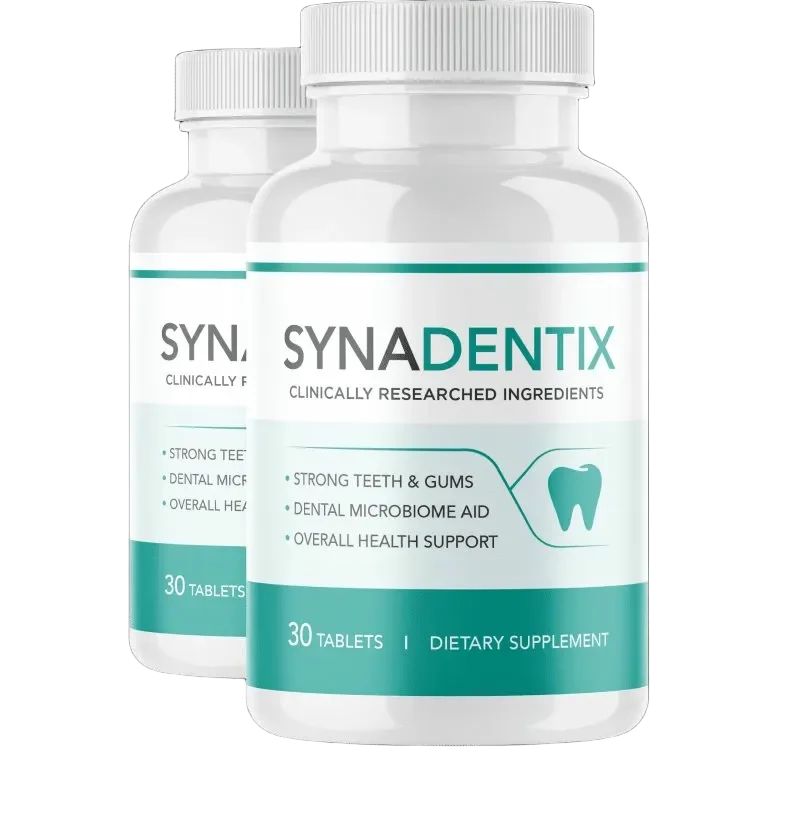
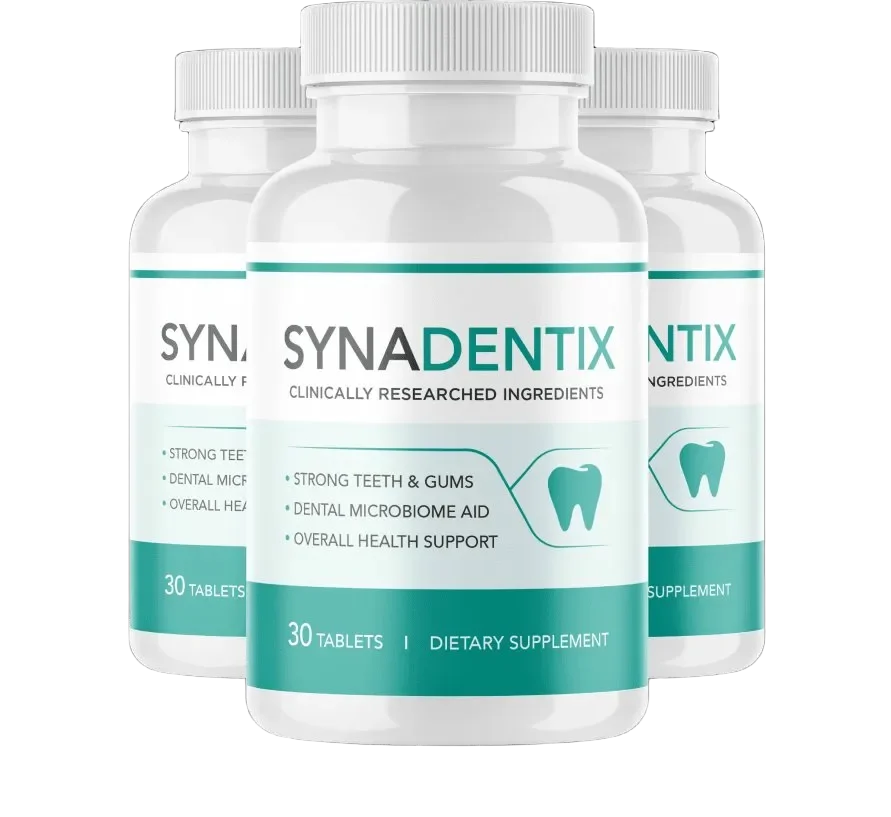
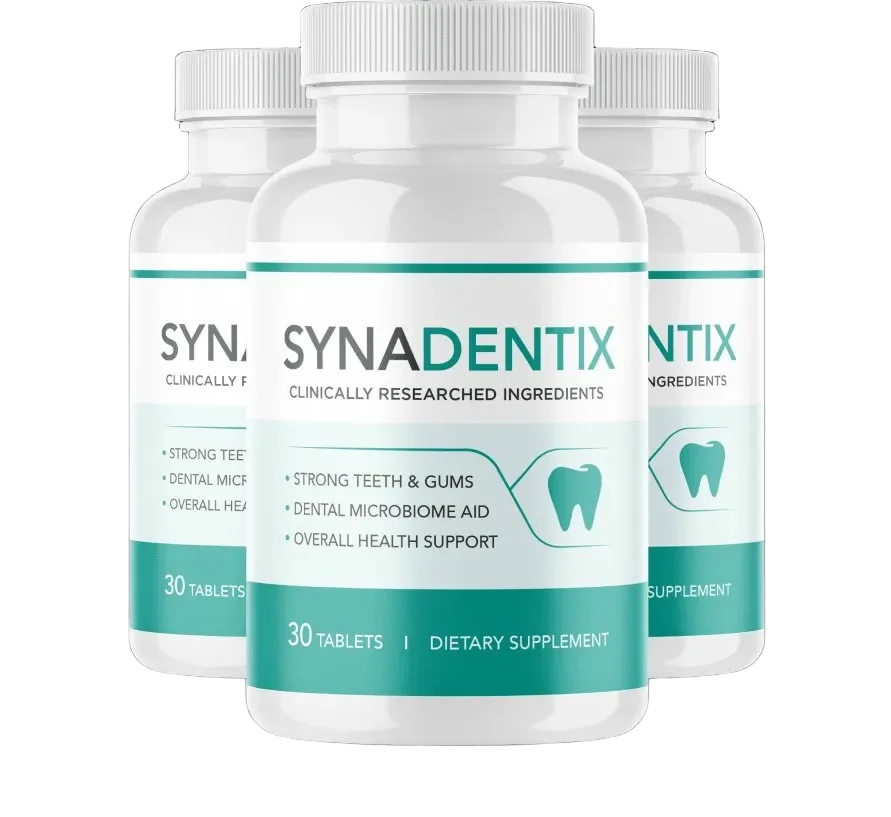
For additional support, especially during periods of increased hormonal sensitivity, a natural supplement like Synadentix can be beneficial. Formulated with ingredients known to support gum health, reduce inflammation, and balance the oral microbiome, it can complement your daily routine. It's one of many tools available to help you maintain optimal oral health, even when comparing options like Synadentix vs. ProDentim.
Synadentix: Supporting Your Gums Through Hormonal Challenges
While Synadentix is not a hormone regulator, it is specifically formulated to support the foundational aspects of oral health that can be compromised by hormonal fluctuations. By targeting inflammation, bacterial balance, and tissue resilience, Synadentix offers a supportive approach for women seeking to maintain healthy gums.
Reduces Inflammation
Many ingredients in Synadentix are selected for their natural anti-inflammatory properties. This helps to soothe irritated gum tissues, reduce swelling, and alleviate the discomfort often associated with hormonally-sensitive gums, promoting a healthier oral environment.
Supports Oral Microbiome Balance
Hormonal changes can disrupt the delicate balance of bacteria in the mouth. Synadentix contains components that help to encourage the growth of beneficial bacteria while discouraging the proliferation of harmful pathogens, thereby contributing to a more balanced and protective oral ecosystem.
Strengthens Gum Tissues
Certain ingredients in Synadentix provide essential nutrients and compounds that contribute to the strength and integrity of gum tissues. This can make gums more resilient to the effects of increased blood flow and inflammation caused by hormonal shifts, helping them stay firm and healthy.
Antioxidant Protection
Hormonal changes can sometimes lead to increased oxidative stress in the body, including oral tissues. Synadentix includes powerful antioxidants that help to neutralize free radicals, protecting gum cells from damage and supporting overall gum vitality.
Enhances Oral Defense Mechanisms
By promoting a healthier oral environment and supporting immune responses within the gum tissues, Synadentix can help fortify the mouth's natural defenses against plaque bacteria and other irritants, which is especially important when gums are more vulnerable due to hormonal changes.
Experience the Synadentix Difference for Healthier Gums
Don't let hormonal changes dictate the health of your smile. Synadentix offers a synergistic blend of natural ingredients designed to support your gums and maintain a balanced oral environment. Take a proactive step towards stronger, healthier gums today.
- ✓ Supports healthy gum tissue
- ✓ Promotes a balanced oral microbiome
- ✓ Helps reduce inflammation and bleeding
- ✓ Made with 100% natural, plant-based ingredients
- ✓ Manufactured in a GMP-certified facility




What Women Are Saying About Synadentix
"During my pregnancy, my gums were a mess – swollen, bleeding, and so tender. My dentist recommended extra care, and I started using Synadentix. Within weeks, the bleeding significantly reduced, and my gums felt so much healthier. It was a huge relief!"
"As I approached menopause, I noticed increased gum sensitivity and dryness. Synadentix was a game-changer. My gums feel stronger, less inflamed, and the dryness has improved. It's become an essential part of my daily routine."
"I've always struggled with mild gingivitis, but it got worse with my monthly cycle. A friend suggested Synadentix. I've been using it for three months, and my gums are noticeably healthier and less prone to bleeding. I feel more confident in my smile!"
Frequently Asked Questions
How do hormones specifically affect gum tissue?
+Hormonal fluctuations, particularly increases in estrogen and progesterone, enhance blood flow to gum tissues, making them more sensitive and reactive to plaque bacteria. This increased vascularity can lead to heightened inflammation, swelling, and bleeding, even with minimal plaque accumulation. Hormones can also influence the immune response and alter the oral microbiome, creating a more favorable environment for pathogenic bacteria to thrive and exacerbate gum disease.
What are the early signs of hormonally-influenced gum disease?
+Early signs often include red, swollen, or tender gums that bleed easily during brushing or flossing. You might also notice persistent bad breath, changes in bite, or a feeling of loose teeth. These symptoms can be more pronounced during periods of significant hormonal shift, such as puberty, menstruation, pregnancy, or menopause. Regular self-examination and prompt dental check-ups are crucial for early detection and intervention.
Can oral contraceptives impact gum health?
+Yes, some oral contraceptives contain synthetic hormones that can mimic the effects of natural hormone fluctuations in the body. This can lead to increased sensitivity and inflammation in the gums, similar to what is seen during pregnancy. Women taking oral contraceptives should be particularly diligent with their oral hygiene and inform their dentist about their medication, as it may influence their susceptibility to gingivitis.
Are women more susceptible to gum disease than men?
+Due to the significant impact of hormonal fluctuations throughout various life stages, women are generally considered more susceptible to certain forms of gum disease, such as pregnancy gingivitis or menopausal gingivostomatitis. While both sexes can develop gum disease, women face unique challenges related to puberty, menstruation, pregnancy, and menopause that can increase their risk and alter the severity of periodontal conditions. However, good oral hygiene and regular dental visits remain paramount for everyone.
What role does diet play in managing hormone-related gum issues?
+A balanced, nutrient-rich diet is fundamental for overall oral health and can significantly help manage hormone-related gum issues. Foods rich in Vitamin C, Vitamin D, calcium, and antioxidants support gum tissue health and immune function. Reducing intake of sugary and highly processed foods can also lower inflammation and limit the growth of harmful oral bacteria. Staying hydrated is also crucial for saliva production, which helps neutralize acids and wash away food particles. For more detailed information, consider reading our article on Diet for Gum Disease.
How can Synadentix support gum health during hormonal changes?
+Synadentix is formulated with a blend of natural ingredients known for their anti-inflammatory, antioxidant, and antimicrobial properties. These ingredients work synergistically to support a healthy oral microbiome, reduce gum inflammation, strengthen gum tissues, and help protect against the harmful effects of plaque buildup. By addressing these foundational aspects of oral health, Synadentix can provide valuable support for women navigating the unique challenges of hormonal fluctuations and their impact on gum health. It is designed to complement, not replace, a consistent oral hygiene routine and regular dental care.
Related Articles