Is Your Diet Silently Harming Your Gums?
Many people diligently focus on brushing and flossing, but often overlook a crucial factor in maintaining optimal gum health: their diet. What you choose to eat and drink plays a profound and often underestimated role in either protecting your gums from disease or making them vulnerable to inflammation, infection, and eventual tooth loss.
Understanding the intricate connection between nutrition and oral health is the first, vital step towards preventing and even reversing the early stages of gum disease. Let's explore how to nourish your gums from within, building a strong foundation for a vibrant, healthy smile that lasts a lifetime.
The Alarming Link Between Your Diet and Gum Disease
Gum disease, medically known as periodontal disease, is a progressive inflammatory condition affecting the tissues surrounding your teeth. It starts with gingivitis, characterized by red, swollen, and bleeding gums, and can advance to periodontitis, which involves bone loss and can ultimately lead to tooth loss.
While poor oral hygiene, genetics, and smoking are well-known risk factors, the role of diet is often underestimated. The foods you consume directly impact your oral microbiome – the delicate balance of bacteria in your mouth. An imbalanced diet can foster an environment where harmful bacteria thrive, leading to increased plaque formation and a heightened inflammatory response. Furthermore, your diet supplies the essential nutrients your body needs to maintain healthy tissues, fight off infections, and repair damage. Without these vital components, your gums become more vulnerable to disease.
Understanding this link is crucial. It empowers you to take control of your oral health not just with a toothbrush, but with your fork. By making informed dietary choices, you can significantly reduce your risk of gum disease, alleviate existing symptoms, and contribute to your overall well-being. It's a holistic approach that recognizes the mouth as an integral part of the body's health system.
💡 Key Takeaway
Your diet is a powerful determinant of gum health. Consuming nutrient-dense, anti-inflammatory foods can protect against gum disease by balancing oral bacteria, strengthening immune response, and supporting tissue repair, while processed sugars and refined carbs can exacerbate inflammation and promote harmful bacterial growth.
The Best Foods for Strong, Healthy Gums
To combat gum disease and foster a thriving oral environment, your diet should be rich in anti-inflammatory foods, antioxidants, vitamins, and minerals. These nutritional powerhouses work synergistically to support your immune system, strengthen gum tissues, and reduce the harmful bacteria in your mouth.
Crunchy Fruits and Vegetables
Foods like apples, carrots, celery, and bell peppers act as natural toothbrushes. Their fibrous texture helps to scrub away plaque and food particles from your teeth and gums as you chew, stimulating saliva production. Saliva is your mouth's natural defense, neutralizing acids and washing away bacteria, thus protecting against both cavities and gum disease.
Leafy Greens (Spinach, Kale, Broccoli)
These vegetables are nutritional superstars, packed with vitamins and minerals vital for gum health. They are excellent sources of Vitamin C, which is crucial for collagen production, a key component of healthy gum tissue. They also provide Vitamin K and folate, which contribute to overall bone and gum strength, helping to reduce inflammation and support healing processes.
Fatty Fish (Salmon, Mackerel, Sardines)
Rich in Omega-3 fatty acids, these fish are potent anti-inflammatory agents. Chronic inflammation is a hallmark of gum disease, and Omega-3s can help to significantly reduce this response, protecting gum tissues from damage. They also support overall immune function, making your body better equipped to fight off oral infections.
Dairy Products (Milk, Yogurt, Cheese)
Dairy is an excellent source of calcium and phosphates, minerals essential for strong teeth and bones. Calcium helps to maintain the density of the jawbone that supports your teeth, while phosphates contribute to enamel remineralization. Cheese, in particular, can also help neutralize mouth acids, reducing the risk of enamel erosion and supporting a balanced oral pH.
Green Tea
More than just a soothing beverage, green tea is loaded with catechins, powerful antioxidants that can fight inflammation and inhibit the growth of harmful oral bacteria. Studies suggest that regularly consuming green tea can help reduce the severity of gum disease and even prevent bad breath by keeping bacterial populations in check. It's a simple, effective addition to your gum-healthy routine.
Nuts and Seeds (Almonds, Walnuts, Chia Seeds)
These are fantastic sources of healthy fats, fiber, and essential minerals like magnesium and phosphorus, all contributing to overall oral health. Walnuts, for example, are rich in Omega-3s, while almonds provide calcium and Vitamin E. Their texture can also help stimulate saliva flow and gently clean teeth, similar to crunchy fruits and vegetables.
Incorporating a wide variety of these foods into your daily diet can create a powerful shield against gum disease, fostering a resilient oral environment. Remember, consistency is key, and combining these dietary choices with excellent oral hygiene practices will yield the best results.
Foods and Habits to Avoid for Healthier Gums
Just as certain foods can boost your gum health, others can actively undermine it. Understanding what to limit or avoid is just as crucial for preventing and managing gum disease.
Sugary Foods and Drinks
Sugar is the primary fuel for harmful oral bacteria, which produce acids that erode enamel and contribute to plaque and tartar buildup. This creates an environment ripe for gum inflammation and disease. Limiting candies, sodas, sugary cereals, and processed desserts is paramount for gum health.
Refined Carbohydrates
Foods like white bread, pasta, crackers, and pastries break down into simple sugars very quickly in the mouth. Similar to direct sugar intake, these foods feed plaque-forming bacteria, increasing the risk of both cavities and gum disease. Opt for whole grain alternatives whenever possible.
Acidic Foods and Beverages
While some acidic fruits are beneficial, excessive consumption of highly acidic foods and drinks (such as citrus juices, sodas, sports drinks, and pickles) can erode tooth enamel. This erosion makes teeth more susceptible to decay and can irritate gum tissues, especially if they are already inflamed.
Alcohol
Alcohol consumption can lead to dry mouth, which reduces saliva flow. Saliva is vital for washing away food particles and neutralizing acids. A consistently dry mouth increases the risk of bacterial overgrowth, plaque formation, and consequently, gum disease. Moderation is key.
Lack of Hydration
Dehydration contributes to dry mouth, a significant risk factor for gum disease. Water helps rinse away food debris and bacteria, maintaining a healthy oral environment. Drinking plenty of water throughout the day is a simple yet powerful way to support gum health.
Smoking and Tobacco Products
Though not a food, tobacco use is one of the most significant risk factors for developing severe gum disease. It impairs blood flow to the gums, reduces immune function, and hinders healing. Quitting tobacco is one of the most impactful steps you can take for your oral and overall health.
By minimizing these detrimental foods and habits, you create a less hospitable environment for gum disease to flourish, allowing your gums a better chance to heal and stay healthy. It's about making conscious choices that support your long-term oral health goals.
Essential Nutrients for Optimal Gum Health
Beyond general healthy eating, certain vitamins and minerals are particularly potent allies in your fight against gum disease. Ensuring adequate intake of these specific nutrients can significantly bolster your gums' resilience.
Vitamin C (Ascorbic Acid)
Role: Critical for collagen synthesis, which is the main structural protein in gum tissue. It also acts as a powerful antioxidant, protecting gums from oxidative stress and supporting the immune system to fight off infections. A deficiency can lead to bleeding gums and impaired healing.
Vitamin D
Role: Essential for calcium absorption, which is vital for strong bones and teeth. It also plays a crucial role in immune modulation, helping to reduce inflammation and fight periodontal pathogens. Sunlight exposure and fortified foods are key sources.
Calcium
Role: The building block for strong bones and teeth, including the alveolar bone that supports your teeth. Adequate calcium intake helps maintain bone density, preventing the bone loss associated with advanced gum disease.
Omega-3 Fatty Acids
Role: Known for their potent anti-inflammatory properties, Omega-3s (EPA and DHA) can significantly reduce gum inflammation, a key symptom of gingivitis and periodontitis. They help modulate the body's immune response, making it less prone to destructive inflammation.
Coenzyme Q10 (CoQ10)
Role: A powerful antioxidant and energy producer at the cellular level. Research suggests CoQ10 can improve gum health, reduce inflammation, and accelerate healing in patients with periodontal disease by supporting cellular regeneration and reducing oxidative damage.
Antioxidants (Vitamin E, Beta-Carotene, Selenium)
Role: These compounds work together to neutralize free radicals, which are unstable molecules that can damage gum tissues and exacerbate inflammation. A diet rich in various antioxidants from fruits, vegetables, and nuts provides comprehensive protection against cellular damage.
By focusing on foods rich in these specific nutrients, or considering targeted supplementation under professional guidance, you can provide your gums with the internal support they need to resist disease and maintain their vitality. For more detailed information on specific dietary interventions, you might want to read about foods that help heal gum disease.
Synadentix: Targeted Support for Gum Health
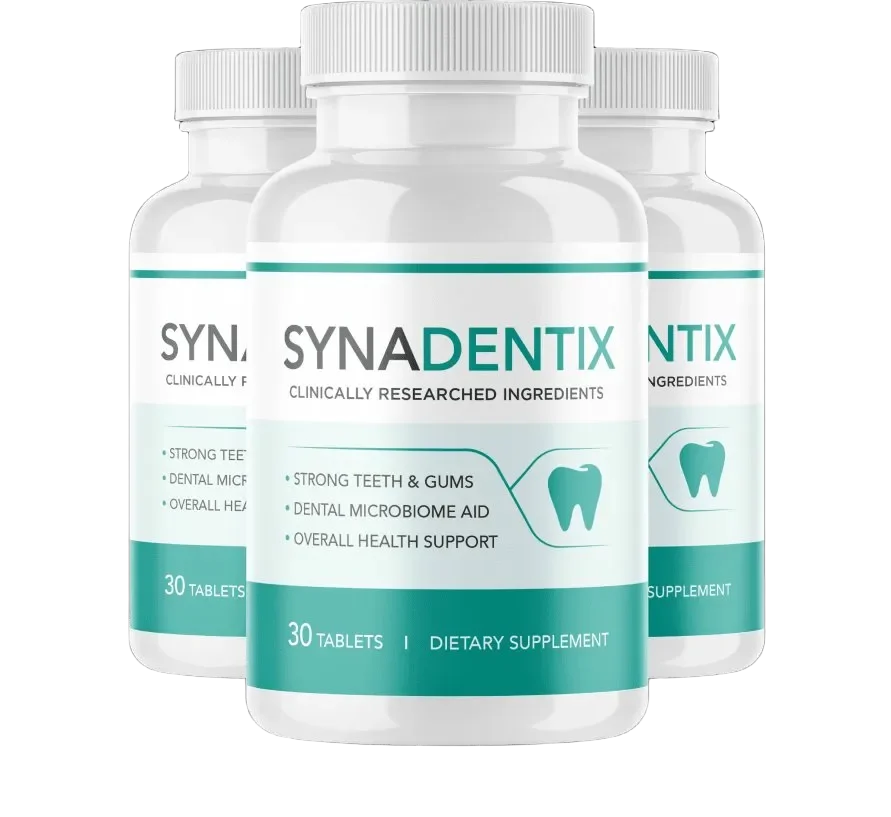
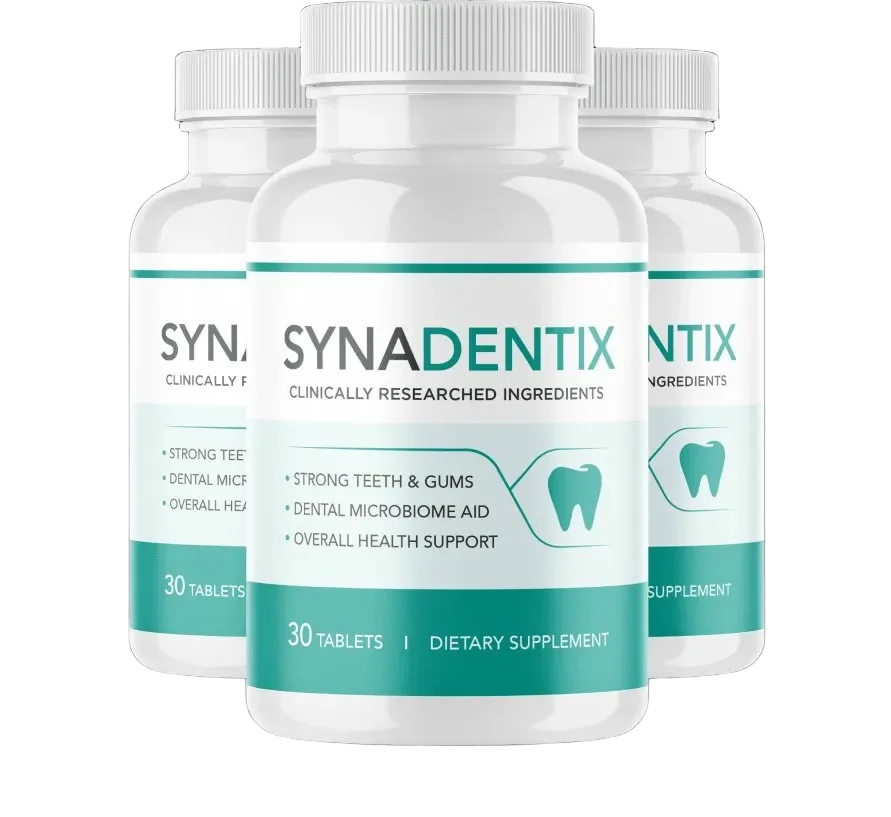
While a nutrient-rich diet forms the bedrock of gum health, sometimes our bodies need an extra boost, especially when dealing with existing gum challenges or when dietary intake isn't consistently optimal. This is where a targeted supplement like Synadentix can play a supportive role.
Synadentix is formulated with a blend of natural ingredients specifically chosen for their scientifically-backed benefits in supporting gum health, combating inflammation, and maintaining a balanced oral microbiome. It's designed to complement your healthy lifestyle, working from within to provide comprehensive oral care.
Milk Thistle
Role: Known for its potent antioxidant and anti-inflammatory properties, milk thistle helps protect gum tissues from oxidative stress and supports detoxification processes in the body, which can indirectly benefit oral health by reducing systemic inflammatory load.
Berberine
Role: A powerful plant extract with significant antimicrobial and anti-inflammatory effects. Berberine targets harmful oral bacteria, helping to reduce plaque formation and gum inflammation, contributing to a healthier environment for gum tissue regeneration.
Green Tea Extract
Role: Rich in catechins, particularly EGCG, green tea extract offers robust antioxidant and anti-inflammatory benefits. It helps to inhibit the growth of periodontal pathogens, reduce gum bleeding, and support the overall resilience of gum tissues against disease.
Zinc
Role: An essential trace mineral crucial for immune function and wound healing. Zinc helps the body fight off oral infections, supports the integrity of mucous membranes, and plays a role in repairing damaged gum tissues, making it vital for recovery from gum disease.
Chromium
Role: While primarily known for blood sugar regulation, stable blood sugar levels indirectly impact gum health by reducing systemic inflammation and supporting healthy immune responses. Chromium can help in managing conditions that might exacerbate gum disease.
Alpha Lipoic Acid (ALA)
Role: A powerful antioxidant that works both in fat and water-soluble parts of the body. ALA helps reduce oxidative stress and inflammation in gum tissues, promoting cellular health and protecting against the damage caused by periodontal disease.
Resveratrol
Role: Found in grapes and berries, resveratrol is a potent antioxidant and anti-inflammatory compound. It contributes to cellular health and has shown promise in protecting against tissue damage and supporting a healthy inflammatory response in the gums.
Capsicum Annum
Role: Derived from chili peppers, this ingredient contains capsaicin, which has anti-inflammatory and analgesic properties. It can help reduce gum inflammation and improve circulation in gum tissues, supporting their natural healing processes.
By incorporating ingredients like these, Synadentix aims to provide comprehensive support for your gum health, working in harmony with your dietary choices and oral hygiene routine. It's a proactive step towards ensuring your gums receive the focused care they need to stay strong and healthy. To compare Synadentix with other options, you can read our detailed analysis: Synadentix vs. Other Gum Health Supplements Compared. You might also be interested in a broader view of supportive options in best gum disease supplements 2026.
Beyond Diet: Holistic Approaches to Gum Health
While diet is a cornerstone of healthy gums, it's part of a larger picture. A holistic approach combines nutrition with other crucial practices to ensure comprehensive oral well-being.
Excellent Oral Hygiene: This remains non-negotiable. Brushing twice a day with a fluoride toothpaste, flossing daily, and using an antimicrobial mouthwash are fundamental. These practices physically remove plaque and bacteria before they can cause significant damage. Consider electric toothbrushes for enhanced cleaning efficacy.
Regular Dental Check-ups: Professional cleanings and examinations are essential. Your dentist can remove hardened plaque (tartar) that brushing and flossing can't, identify early signs of gum disease, and provide personalized advice and treatment. Don't skip these appointments, even if your gums feel healthy.
Stress Management: Chronic stress can weaken your immune system, making you more susceptible to infections, including gum disease. Incorporating stress-reducing activities like meditation, yoga, or spending time in nature can have a positive impact on both your general and oral health.
Avoid Smoking and Tobacco: As mentioned earlier, tobacco use is a major risk factor for severe gum disease. It constricts blood vessels, reducing blood flow to the gums and impairing their ability to heal. Quitting tobacco is one of the most impactful decisions you can make for your oral health.
Stay Hydrated: Drinking plenty of water throughout the day helps maintain adequate saliva flow, which naturally cleanses the mouth, neutralizes acids, and washes away food particles and bacteria. This is a simple yet powerful habit for preventing dry mouth and supporting gum health.
By integrating these practices with a gum-healthy diet, you create a robust defense system for your oral cavity. It's about nurturing your body from all angles, recognizing that oral health is intrinsically linked to your overall health and well-being.
Give Your Gums The Care They Deserve with Synadentix
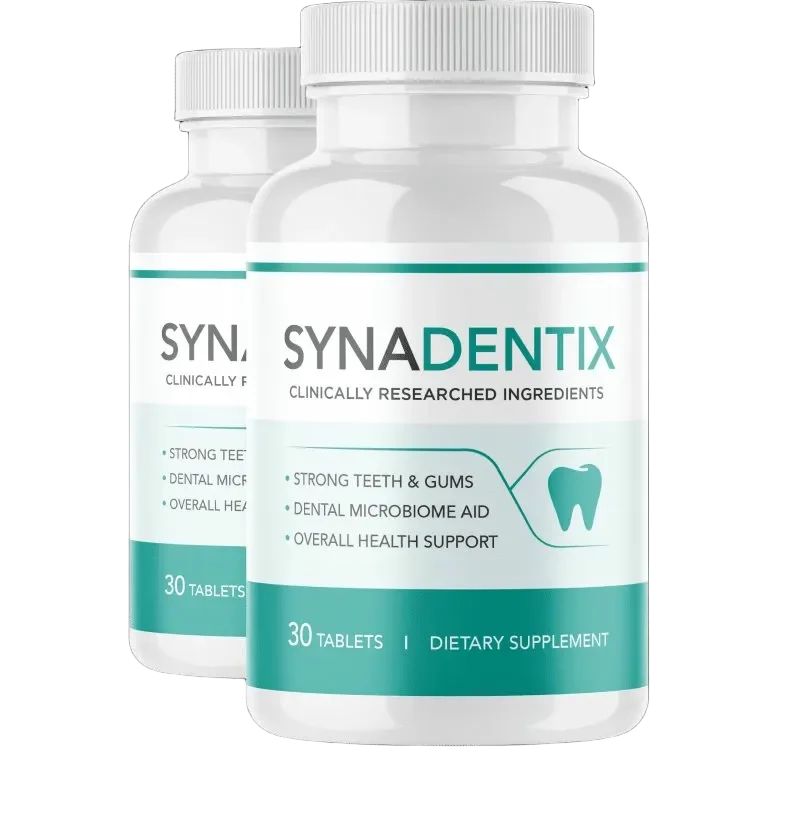
Synadentix is an advanced oral health formula designed to target the root causes of gum disease, reduce inflammation, and support healthy gum tissue regeneration. It's the natural choice for a confident smile that reflects true inner health.
- Supports healthy gum tissue and strengthens its resilience
- Fights harmful oral bacteria and balances the oral microbiome
- Reduces inflammation, bleeding, and discomfort in gums
- Strengthens teeth and jawbone by supporting nutrient absorption
- Promotes fresh breath naturally by tackling bacterial overgrowth




What Our Customers Say About Synadentix
"I've struggled with bleeding gums for years, despite consistent brushing and flossing. After incorporating Synadentix into my routine for just a few weeks, I noticed a dramatic difference. My gums feel stronger, and the bleeding has almost completely stopped. It's truly remarkable!"
"My dentist recommended I look into natural ways to support my gum health, and I found Synadentix. Combined with a better diet, my check-ups have improved significantly. My periodontist even commented on how much healthier my gum pockets are. I'm a believer!"
"I was skeptical at first, but the results speak for themselves. My gums were inflamed and sensitive, and now they feel so much better. The natural ingredients gave me confidence, and the improvement in my oral comfort is incredible. Highly recommend Synadentix!"
Frequently Asked Questions
How does diet directly influence gum disease?
+Your diet significantly impacts gum health by affecting the oral microbiome, systemic inflammation, and the body's ability to repair tissues. Sugary and highly processed foods feed harmful bacteria, leading to plaque buildup and inflammation, while nutrient-rich foods strengthen immune response and support tissue repair, helping to prevent or manage gum disease.
What are the best foods to include for healthy gums?
+Prioritize anti-inflammatory foods like leafy greens, fatty fish (rich in Omega-3s), berries, and nuts. Foods high in Vitamin C (citrus, bell peppers), Vitamin D (fortified dairy, fatty fish), Calcium (dairy, fortified plant milks), and antioxidants (green tea, dark chocolate) are crucial for gum tissue integrity and immune function.
Are there specific foods I should avoid if I have gum disease?
+Yes, definitely. Foods and drinks high in sugar, refined carbohydrates (white bread, pasta, pastries), and acidic foods (soda, excessive citrus juices) should be limited or avoided. These contribute to bacterial growth, plaque formation, enamel erosion, and increased inflammation, worsening gum disease symptoms.
Can supplements like Synadentix help improve gum health?
+Supplements like Synadentix can offer valuable support to a healthy diet and good oral hygiene routine. Formulations often contain ingredients like antioxidants, anti-inflammatory compounds, and nutrients that target specific aspects of gum health, such as reducing bacterial load, fighting inflammation, and supporting tissue regeneration. They are designed to complement, not replace, comprehensive dental care.
How long does it take to see improvements in gum health after changing my diet?
+The timeline for improvement varies depending on the severity of your gum disease and your consistency with dietary changes and oral hygiene. Many individuals report noticeable improvements, such as reduced bleeding or inflammation, within a few weeks to a couple of months. For significant, lasting change, a sustained commitment to a gum-healthy diet and regular dental check-ups is essential.
Is professional dental care still necessary if I maintain a healthy diet?
+Absolutely. While diet is a powerful tool for preventing and managing gum disease, it does not replace professional dental care. Regular check-ups, cleanings, and professional assessments by your dentist or periodontist are crucial for removing hardened plaque (tartar), identifying early issues, and providing targeted treatments that diet alone cannot address.
Related Articles