Struggling with bleeding gums or persistent bad breath?
Gum disease, also known as periodontal disease, affects millions globally, often progressing silently before symptoms become severe. While professional dental care is paramount, did you know that your daily diet plays a critical role in both preventing and combating this common condition?
Beyond brushing and flossing, the nutrients you consume can significantly impact your gum health, helping to reduce inflammation, strengthen tissues, and fight bacterial infections. Understanding the power of food can be a game-changer in your journey towards a healthier mouth and a naturally stronger smile.
Understanding Gum Disease and Its Dietary Connection
Gum disease, ranging from mild gingivitis to severe periodontitis, is a chronic inflammatory condition primarily caused by bacterial plaque buildup. If left untreated, it can lead to tooth loss and has been linked to systemic health issues like heart disease and diabetes.
While mechanical plaque removal through brushing and flossing is fundamental, what you eat can either fuel or fight this inflammation. An unhealthy diet, high in refined sugars and processed foods, promotes an acidic oral environment that encourages harmful bacterial growth and systemic inflammation. Conversely, a diet rich in specific nutrients can strengthen your immune system, repair damaged tissues, and create an oral environment less hospitable to pathogens.
Our gums are living tissues that constantly regenerate. Providing them with the right building blocks and protective compounds can significantly impact their ability to heal and resist disease. This article will explore the key foods and nutrients that can act as powerful allies in your battle against gum disease, working synergistically with your dental care routine to promote optimal oral health. Remember, a healthy mouth is a gateway to a healthy body.
💡 Key Takeaway
Gum disease is an inflammatory condition impacted significantly by diet. Nutrient-rich foods can help reduce inflammation, strengthen gum tissues, and fight bacteria, complementing regular dental care for overall oral health.
Essential Nutrients and Foods for Gum Healing
To effectively combat gum disease naturally, we need to focus on nutrients that reduce inflammation, support tissue repair, bolster the immune system, and fight bacterial overgrowth. Here are the cornerstone nutrients and the foods where you can find them:
Vitamin C: The Collagen Builder and Immune Booster
Vitamin C is crucial for gum health because it's vital for collagen synthesis, the main structural protein in your gums. A deficiency can lead to bleeding gums, slow wound healing, and weakened gum tissue. It's also a powerful antioxidant that protects cells from damage and supports immune function.
Foods rich in Vitamin C: Citrus fruits (oranges, grapefruits), bell peppers (especially red and yellow), strawberries, kiwi, broccoli, kale, and acerola cherries. Aim for a daily intake to keep your gums resilient.
Vitamin D: Bone Health and Anti-inflammatory Power
Often associated with bone health, Vitamin D also plays a critical role in immune function and reducing inflammation throughout the body, including the gums. Adequate levels of Vitamin D are linked to a lower risk of periodontitis and can help in the regeneration of bone that might be lost due to severe gum disease.
Foods rich in Vitamin D: Fatty fish (salmon, mackerel, tuna), fortified dairy products, orange juice, and cereals. Sunlight exposure is also a primary source, allowing your skin to synthesize Vitamin D.
Calcium: The Foundation for Strong Teeth and Bones
Calcium is fundamental for maintaining the structural integrity of your teeth and the alveolar bone that supports them. While it doesn't directly heal gum tissue, strong underlying bone is essential for preventing tooth mobility and loss in advanced gum disease. It works synergistically with Vitamin D for optimal absorption.
Foods rich in Calcium: Dairy products (milk, yogurt, cheese), leafy greens (spinach, kale, collard greens), fortified plant milks, and sardines. Ensuring sufficient calcium intake supports the entire dental structure.
Omega-3 Fatty Acids: Potent Anti-inflammatory Agents
Omega-3 fatty acids, particularly EPA and DHA, are renowned for their powerful anti-inflammatory properties. They can help reduce the chronic inflammation associated with gum disease, easing symptoms like swelling and bleeding. They also support overall cardiovascular health, which is often linked to oral health.
Foods rich in Omega-3s: Fatty fish (salmon, flaxseed oil, chia seeds, walnuts, and some fortified eggs. Incorporating these into your diet regularly can significantly dampen the inflammatory response in your gums.
Antioxidants: Fighting Oxidative Stress
Beyond Vitamin C, a wide array of antioxidants helps protect gum tissues from oxidative stress caused by bacterial toxins and inflammation. These compounds neutralize free radicals, reducing cellular damage and supporting the healing process.
Foods rich in Antioxidants: Berries (blueberries, raspberries), dark leafy greens, green tea, dark chocolate, artichokes, and pecans. A colorful diet ensures a broad spectrum of these protective compounds.
Probiotics: Balancing the Oral Microbiome
While often associated with gut health, probiotics also play a vital role in maintaining a healthy oral microbiome. Certain strains can inhibit the growth of pathogenic bacteria responsible for gum disease, reduce inflammation, and even produce compounds that benefit gum tissue. A balanced oral flora is key to preventing disease.
Foods rich in Probiotics: Yogurt (with live active cultures), kefir, sauerkraut, kimchi, and other fermented foods. Look for products specifically mentioning beneficial bacterial strains for oral health.
The Role of Fiber and Water in Gum Health
Beyond specific vitamins and minerals, two often-overlooked components of a healthy diet – fiber and water – contribute significantly to gum health.
Fiber-Rich Foods: Eating crunchy, high-fiber fruits and vegetables like apples, carrots, and celery acts as a natural toothbrush. They help scrub away food particles and plaque from your teeth and gums, stimulating saliva production. Saliva is your mouth's natural defense mechanism, washing away bacteria and neutralizing acids. Furthermore, fiber supports a healthy gut microbiome, which is intrinsically linked to systemic inflammation and overall immune response, both crucial factors in managing gum disease.
Hydration: Water is essential for maintaining adequate saliva flow. A dry mouth (xerostomia) creates an ideal breeding ground for harmful bacteria, increasing the risk of cavities and gum disease. Drinking plenty of water throughout the day helps rinse away food debris, dilute acids, and keep your gums hydrated and healthy. It's a simple yet incredibly effective strategy for preventing and managing oral health issues.
Incorporating these dietary habits is a proactive step towards healing gum disease naturally. For additional support, you might consider exploring options like natural oral health relief remedies that complement a healthy diet and lifestyle.
Key Natural Ingredients for Gum Health
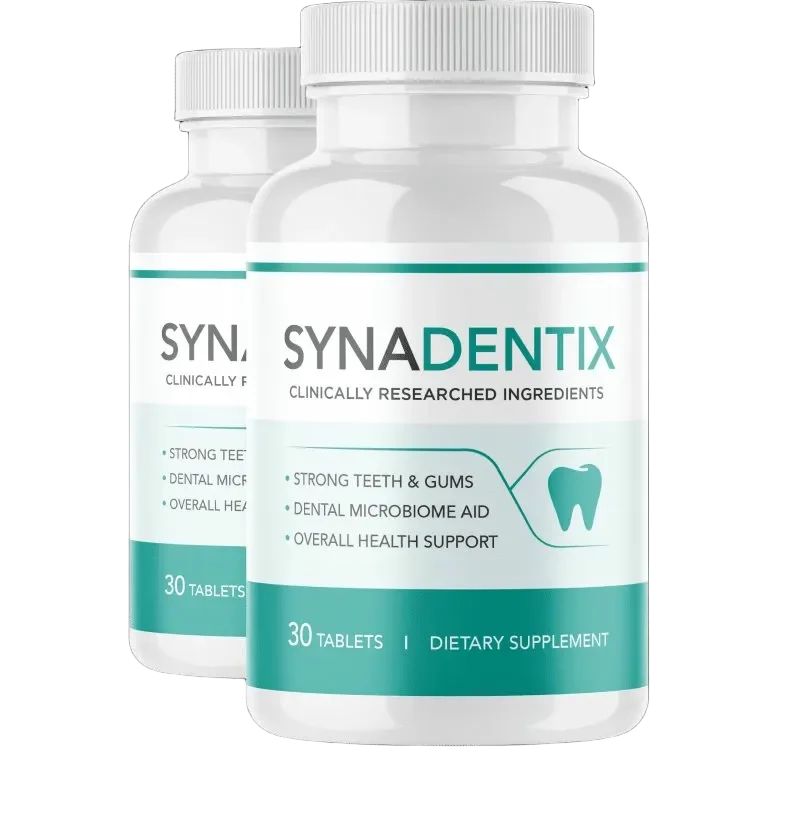
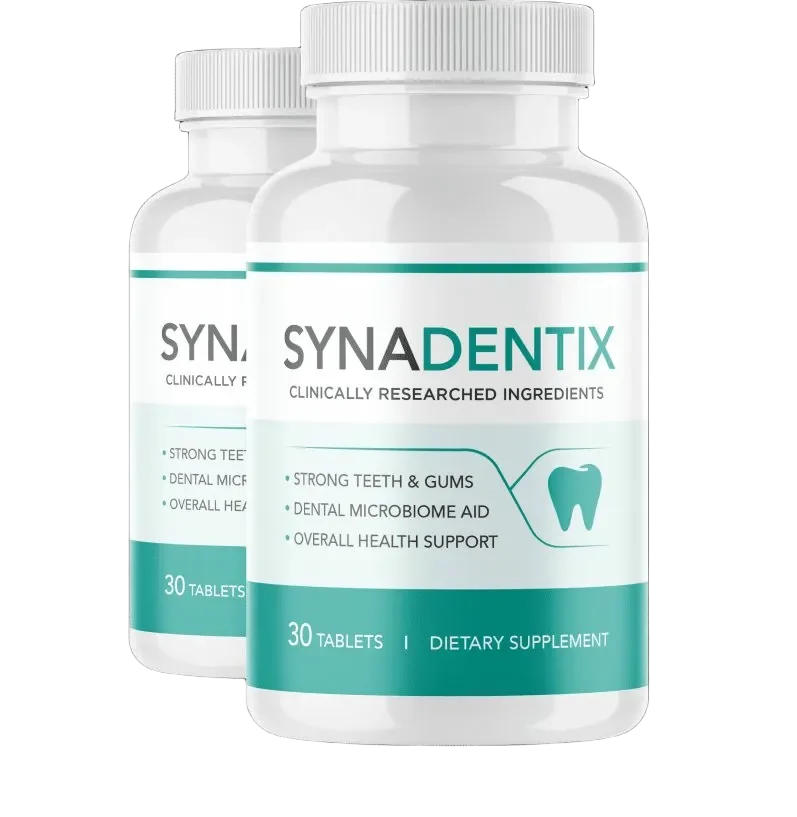
While a balanced diet provides essential nutrients, certain natural compounds can offer targeted support for gum health. Synadentix incorporates a blend of scientifically-backed ingredients known for their anti-inflammatory, antimicrobial, and tissue-regenerating properties.
Berberine
Role: A powerful alkaloid with strong antimicrobial and anti-inflammatory properties. It helps inhibit the growth of harmful oral bacteria and reduces gum inflammation, crucial for reversing gingivitis and preventing periodontitis progression.
Milk Thistle
Role: Known for its liver-protective qualities, milk thistle also possesses antioxidant and anti-inflammatory effects that can contribute to overall systemic health, indirectly supporting the body's ability to fight oral infections and inflammation.
Zinc
Role: An essential mineral for immune function and wound healing. Zinc helps maintain the integrity of oral tissues, supports the immune response against pathogens, and aids in the repair of damaged gum cells.
Korean Ginseng
Role: An adaptogen known for boosting immune function and reducing inflammation. Its compounds can help the body resist stress and fight infections, including those contributing to gum disease, promoting faster recovery.
Resveratrol
Role: A potent antioxidant found in red grapes, resveratrol offers significant anti-inflammatory and protective benefits. It can help shield gum tissues from oxidative damage and reduce the inflammatory response associated with periodontal disease.
Chromium
Role: While primarily known for blood sugar regulation, balanced blood sugar levels are vital for gum health, as uncontrolled diabetes is a major risk factor for severe gum disease. Chromium indirectly supports gum healing by helping to maintain metabolic health.
Alpha Lipoic Acid (ALA)
Role: A powerful antioxidant that works both in water and fat, ALA helps regenerate other antioxidants like Vitamin C and E. It reduces oxidative stress and inflammation in gum tissues, promoting cellular health and healing.
Lifestyle Factors Complementing Your Diet
While diet is a cornerstone, a holistic approach to healing gum disease naturally involves several other lifestyle adjustments that amplify the effects of a nutrient-rich diet.
Excellent Oral Hygiene: This cannot be stressed enough. Brushing twice daily with a fluoride toothpaste, flossing daily, and using an antimicrobial mouthwash are non-negotiable. These practices physically remove plaque and food debris, preventing bacterial accumulation. Regular dental check-ups and professional cleanings are also vital to remove hardened plaque (tartar) that cannot be removed at home.
Quit Smoking: Smoking is one of the most significant risk factors for developing severe gum disease. It impairs blood flow to the gums, weakens the immune system, and hinders the healing process. Quitting smoking is perhaps the single most impactful step you can take to improve your gum health.
Manage Stress: Chronic stress can weaken your immune system, making you more susceptible to infections, including gum disease. Practices like meditation, yoga, regular exercise, and adequate sleep can help manage stress levels, thereby supporting your body's natural healing capabilities.
Limit Sugar and Refined Carbs: These foods feed harmful oral bacteria, leading to increased acid production and plaque formation. Reducing their intake significantly lowers your risk of cavities and gum inflammation. Opt for whole, unprocessed foods instead.
By integrating these lifestyle changes with a gum-healing diet, you create a powerful defense against periodontal disease. For deeper insights into targeted solutions, you might find value in understanding how a deep gum cleaning supplement can further support your efforts.
Take Control of Your Gum Health Today
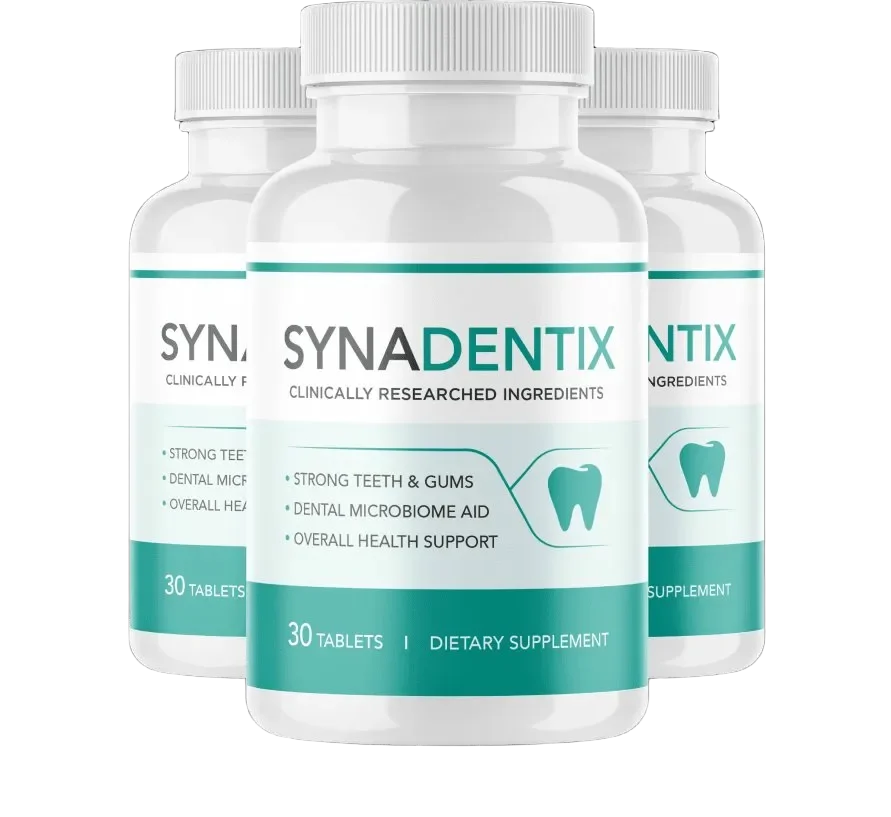
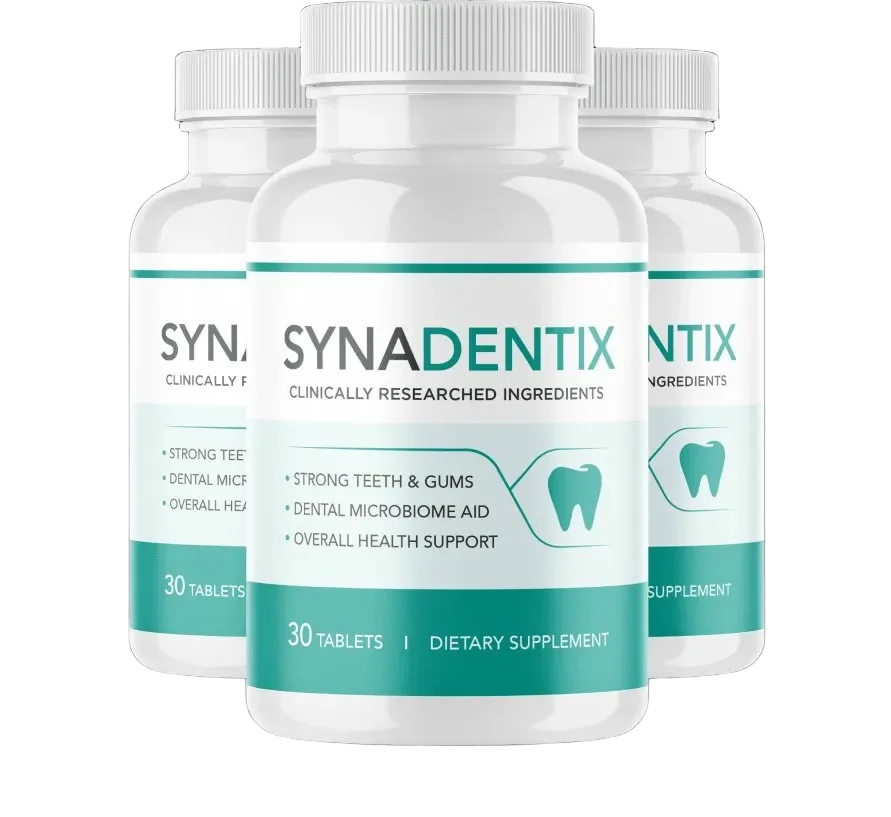
Don't let gum disease dictate your oral health. Synadentix offers a powerful, all-natural solution designed to support healthy gums, reduce inflammation, and combat the root causes of periodontal issues. Combine it with a healthy diet for optimal results.
- Supports healthy gum tissue regeneration
- Reduces inflammation and bleeding
- Fights harmful oral bacteria
- Strengthens teeth and enamel
- Boosts overall oral microbiome balance



What Our Customers Say
"I've struggled with bleeding gums for years, despite consistent brushing and flossing. After incorporating the dietary changes suggested and adding Synadentix, the improvement is remarkable. My gums feel stronger, and the bleeding has almost completely stopped. I feel so much more confident in my smile!"
"My dentist recommended focusing on anti-inflammatory foods, and I also started taking Synadentix. The combination has been a game-changer for my periodontal health. The chronic inflammation I used to experience is significantly reduced, and my last check-up showed amazing progress. Highly recommend this approach!"
"I was skeptical at first, but the idea of healing naturally resonated with me. I overhauled my diet, focusing on the foods mentioned here, and added Synadentix to my routine. My gums are no longer tender, and my breath is fresher. It feels good to know I'm supporting my body from the inside out."
Frequently Asked Questions
What is gum disease and how does diet influence it?
+Gum disease, or periodontal disease, is an infection and inflammation of the gums and bone surrounding your teeth. It's primarily caused by plaque buildup, but diet plays a significant role. Nutrient deficiencies, high sugar intake, and inflammatory foods can worsen symptoms, while a diet rich in vitamins, minerals, and antioxidants can help reduce inflammation and support gum healing.
Which vitamins are most important for healing gum disease?
+Key vitamins for gum health include Vitamin C, essential for collagen production and immune function; Vitamin D, crucial for bone density and immune response; and Vitamin K2, which helps direct calcium to bones and teeth. B vitamins, particularly folate, also support tissue repair and reduce inflammation.
Can Synadentix replace professional dental treatment for gum disease?
+No, Synadentix is a dietary supplement designed to support oral health and complement good dental hygiene practices and professional care. It is not a substitute for regular dental check-ups, cleanings, or treatments for advanced gum disease. Always consult your dentist or periodontist for personalized treatment plans.
How long does it take to see improvements in gum health through diet and supplements?
+The timeline for improvement varies depending on the severity of the gum disease, individual health, and consistency of dietary changes and supplement use. Some individuals may notice improvements in bleeding or inflammation within a few weeks, while more significant healing can take several months. Long-term commitment to a healthy diet and oral care routine is key.
Are there any foods I should avoid if I have gum disease?
+Yes, it's generally recommended to limit or avoid highly processed foods, sugary drinks and snacks, refined carbohydrates, and acidic foods. These can contribute to plaque formation, feed harmful oral bacteria, and exacerbate inflammation. Focus on whole, unprocessed foods instead.
Is Synadentix safe to use with other medications?
+Synadentix is made with natural ingredients, but it's always best to consult with your healthcare provider or dentist before starting any new supplement, especially if you are taking other medications or have pre-existing health conditions. This ensures there are no potential interactions or contraindications.
Related Articles