Are you aware of the silent war happening in your mouth every day?
Beneath the surface of seemingly healthy gums, an invisible battle rages, fueled by billions of microscopic organisms. These tiny inhabitants, collectively known as oral bacteria, are the primary architects of one of the most prevalent chronic diseases worldwide: gum disease.
Often underestimated and overlooked until its advanced stages, gum disease, or periodontal disease, is far more than just a minor irritation. It's a progressive condition that can lead to irreversible damage, culminating in tooth loss and significant systemic health complications if left unchecked.
The Oral Microbiome: A Complex Ecosystem
Your mouth is a bustling city of microorganisms, home to hundreds of different bacterial species, along with fungi, viruses, and protozoa. This intricate community is known as the oral microbiome, and its balance is crucial for your oral and overall health.
In a healthy mouth, there's a harmonious balance between beneficial and potentially harmful bacteria. The good bacteria aid in digestion, protect against pathogens, and even contribute to fresh breath. However, when this balance is disrupted, often by poor oral hygiene, dietary choices, or certain systemic conditions, the pathogenic (disease-causing) bacteria begin to flourish. This disruption is the genesis of gum disease.
The primary culprit in this bacterial takeover is the formation of dental plaque. Plaque is a sticky, colorless film of bacteria that constantly forms on your teeth. If not removed daily through brushing and flossing, it hardens into tartar (calculus), which can only be removed by a dental professional. Tartar provides a rough surface that further encourages bacterial accumulation, creating a vicious cycle that leads to inflammation and infection of the gum tissues.
Understanding this delicate ecosystem is the first step in appreciating how critical daily care is, and why neglecting it can have such profound consequences. It's not just about brushing away food particles; it's about managing a complex biological community.
💡 Key Takeaway
The oral cavity harbors a diverse microbiome. When the balance is disturbed, pathogenic bacteria proliferate, forming plaque and tartar, which are the direct precursors to gum disease.
Gingivitis: The First Warning Sign
Gingivitis is the initial and mildest form of gum disease, characterized by inflammation of the gums (gingiva). It's a common condition, and many people experience it without realizing the severity of its potential progression.
The primary cause of gingivitis is inadequate oral hygiene, which allows plaque to accumulate along the gumline. The bacteria in the plaque produce toxins that irritate the gum tissue, leading to an inflammatory response. Common symptoms of gingivitis include:
- Red, swollen, or tender gums: Healthy gums are typically pink and firm.
- Bleeding gums: This is often noticed during brushing or flossing, even with gentle pressure.
- Bad breath (halitosis): Caused by the bacterial activity and toxins.
- Receding gums: Gums may pull away from the teeth, making them appear longer.
The good news is that gingivitis is reversible. With diligent daily brushing and flossing, along with professional dental cleanings, the inflammation can subside, and your gums can return to a healthy state. This stage is a critical window of opportunity to intervene before the disease progresses to more serious, irreversible forms. Regular check-ups are essential to catch these early signs. For more insights on maintaining gum health, you might find our article on gum regeneration supplements helpful.
Periodontitis: The Destructive Cycle Begins
If gingivitis is left untreated, it can advance to periodontitis, a far more severe and destructive form of gum disease. At this stage, the infection spreads beyond the gums to attack the underlying bone and supporting structures of your teeth.
In periodontitis, the chronic inflammation causes the gums to pull away from the teeth, forming "pockets." These pockets become breeding grounds for bacteria, which thrive in the anaerobic (low-oxygen) environment. The body's immune response, while attempting to fight the infection, inadvertently contributes to the destruction. Enzymes released by immune cells and bacterial toxins begin to break down the connective tissue and bone that hold your teeth in place.
This process leads to a range of increasingly severe symptoms:
- Deep gum pockets: Spaces between teeth and gums deepen, harboring more bacteria.
- Persistent bad breath or a bad taste in your mouth: Due to ongoing infection.
- Pus between your teeth and gums: A clear sign of active infection.
- Loose or shifting teeth: As bone support diminishes, teeth become unstable.
- Changes in your bite: How your upper and lower teeth fit together may change.
- Progressive tooth loss: The ultimate consequence of advanced periodontitis.
Unlike gingivitis, periodontitis is largely irreversible. While treatment can halt its progression and manage symptoms, the lost bone and tissue typically cannot be fully regenerated naturally. This is why early detection and intervention are paramount to preserving your teeth and oral health. Exploring options like Synadentix reviews from 2026 can provide insights into supportive care.
💡 Key Takeaway
Untreated gingivitis progresses to periodontitis, where bacterial infection and immune response destroy gum tissue and bone, leading to deep pockets, loose teeth, and ultimately, tooth loss.
The Mechanism of Destruction: How Bacteria Wreak Havoc
To truly understand the severity of gum disease, it's essential to look at the microscopic battleground and the specific ways oral bacteria orchestrate destruction.
The destructive process in periodontitis is a complex interplay between specific pathogenic bacteria and the host's immune response. Key bacterial species, such as Porphyromonas gingivalis, Tannerella forsythia, and Treponema denticola (often referred to as the "red complex" bacteria), are particularly virulent. These bacteria possess a range of mechanisms to evade the immune system and cause damage:
- Toxin Production: Bacteria release endotoxins (like LPS) and exotoxins that directly damage gum tissue cells and trigger a strong inflammatory response.
- Enzyme Secretion: They produce enzymes like collagenases and proteases that break down the collagen fibers and other proteins that form the connective tissue of the gums and periodontal ligament. This weakens the attachment of the gums to the teeth.
- Evasion of Immune Response: Some bacteria can suppress or evade immune cells, allowing them to persist and proliferate in the deep periodontal pockets.
- Biofilm Formation: Within plaque, bacteria form complex biofilms that are highly resistant to antibiotics and the body's immune defenses, making them incredibly difficult to eradicate without mechanical removal.
The body's immune system, in its attempt to clear the infection, releases inflammatory mediators (cytokines, prostaglandins, matrix metalloproteinases) that, while initially protective, become overactive in chronic periodontitis. This sustained inflammatory response leads to the breakdown of the alveolar bone that supports the teeth. This bone resorption is the direct cause of tooth mobility and eventual tooth loss. It's a tragic irony where the body's defense mechanism, when overwhelmed, turns against its own tissues.
Beyond Tooth Loss: Systemic Health Connections
The impact of oral bacteria and gum disease extends far beyond your mouth. Research has increasingly highlighted the profound links between periodontal health and various systemic conditions.
Cardiovascular Disease
The chronic inflammation and bacteria associated with periodontitis can enter the bloodstream through inflamed gum tissue. These bacteria and inflammatory markers contribute to the formation of arterial plaque, increasing the risk of heart attacks, strokes, and other cardiovascular problems. It's a critical link often overlooked.
Diabetes Mellitus
There's a bidirectional relationship between diabetes and gum disease. People with diabetes are more susceptible to severe gum disease, and conversely, severe periodontitis can make it harder to control blood sugar levels. Oral inflammation can increase insulin resistance, complicating diabetes management.
Respiratory Diseases
Oral bacteria can be inhaled into the lungs, potentially leading to respiratory infections such as pneumonia, bronchitis, and chronic obstructive pulmonary disease (COPD). This risk is particularly elevated in individuals with compromised immune systems or those who already suffer from chronic lung conditions.
Adverse Pregnancy Outcomes
Pregnant women with periodontitis may have an increased risk of preterm birth and low birth weight babies. The inflammatory mediators and bacterial toxins can cross the placental barrier, potentially triggering premature labor. Maintaining excellent oral health during pregnancy is therefore vital.
Other Conditions
Emerging research suggests connections between gum disease and conditions like rheumatoid arthritis, Alzheimer's disease, and certain cancers. While more studies are needed, the common thread of chronic inflammation and bacterial presence points to a broader systemic impact that should not be ignored.
Preventing the Onslaught: A Multi-faceted Approach
Given the severe consequences of gum disease, prevention and early intervention are your best defenses. A comprehensive approach involves daily habits, professional care, and a healthy lifestyle.
1. Impeccable Oral Hygiene: This is the cornerstone of prevention. Brush your teeth at least twice a day for two minutes each time, using a soft-bristled brush. Floss daily to remove plaque and food particles from between your teeth and under the gumline, areas your toothbrush can't reach. Consider using an antimicrobial mouthwash as an adjunct, but never as a replacement for brushing and flossing.
2. Regular Dental Check-ups and Cleanings: Professional dental cleanings every six months (or more frequently if you're prone to gum disease) are crucial. Dentists and hygienists can remove hardened plaque (tartar) that you cannot remove at home and identify early signs of gum disease before it progresses. They can also provide personalized advice on improving your oral hygiene techniques.
3. Balanced Diet: Limit sugary and highly processed foods, which feed harmful oral bacteria. Instead, focus on a diet rich in fruits, vegetables, whole grains, and lean proteins. Foods high in Vitamin C (citrus fruits, bell peppers), Vitamin D (fatty fish, fortified dairy), and calcium (dairy, leafy greens) support gum health and bone density.
4. Avoid Tobacco Products: Smoking and chewing tobacco are major risk factors for gum disease. They impair blood flow to the gums, reduce the effectiveness of the immune system, and hinder healing, making you more susceptible to infection and more resistant to treatment.
5. Manage Systemic Health Conditions: If you have conditions like diabetes, ensure they are well-managed. Systemic diseases can influence your oral health, and vice-versa. Open communication with your doctor and dentist about your overall health is vital.
6. Address Stress: Chronic stress can weaken your immune system, making you more vulnerable to infections, including gum disease. Incorporate stress-reducing activities into your daily routine.
By integrating these practices, you actively work to maintain the delicate balance of your oral microbiome, keeping pathogenic bacteria at bay and protecting your gums and teeth from their destructive potential. For a detailed comparison of different approaches, you may want to read our article on Synadentix vs. Other Gum Health Supplements.
The Role of Nutritional Support in Gum Health
While diligent oral hygiene and professional care are indispensable, nutritional support can play a complementary role in strengthening your body's natural defenses against oral bacteria and inflammation.
Antioxidant Power
Antioxidants like Vitamin C and E help combat oxidative stress caused by inflammation, which is a key factor in gum disease progression. They protect gum tissues from damage and support healing processes.
Immune Modulation
Certain nutrients and botanicals can help modulate the immune response, ensuring it effectively targets pathogens without causing excessive collateral damage to healthy tissues. A balanced immune system is crucial for fighting off bacterial invaders.
Tissue Regeneration
Components like collagen-building nutrients (e.g., Vitamin C, amino acids) and minerals (e.g., zinc) are vital for the repair and maintenance of healthy gum tissue, helping to fortify the barrier against bacterial invasion and support recovery.
Anti-Inflammatory Action
Natural anti-inflammatory compounds can help reduce the swelling, redness, and pain associated with gingivitis and periodontitis, creating a less hospitable environment for harmful bacteria and easing discomfort.
Microbiome Balance
Some ingredients can help promote a healthier oral microbiome by inhibiting the growth of pathogenic bacteria while supporting beneficial strains, thereby restoring the natural balance that protects against disease.
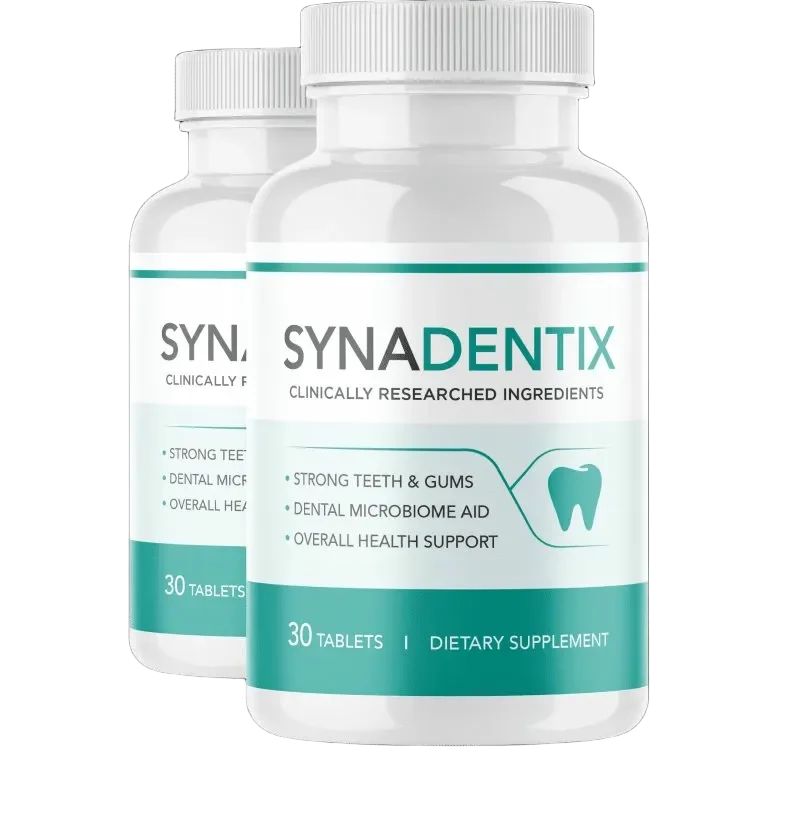
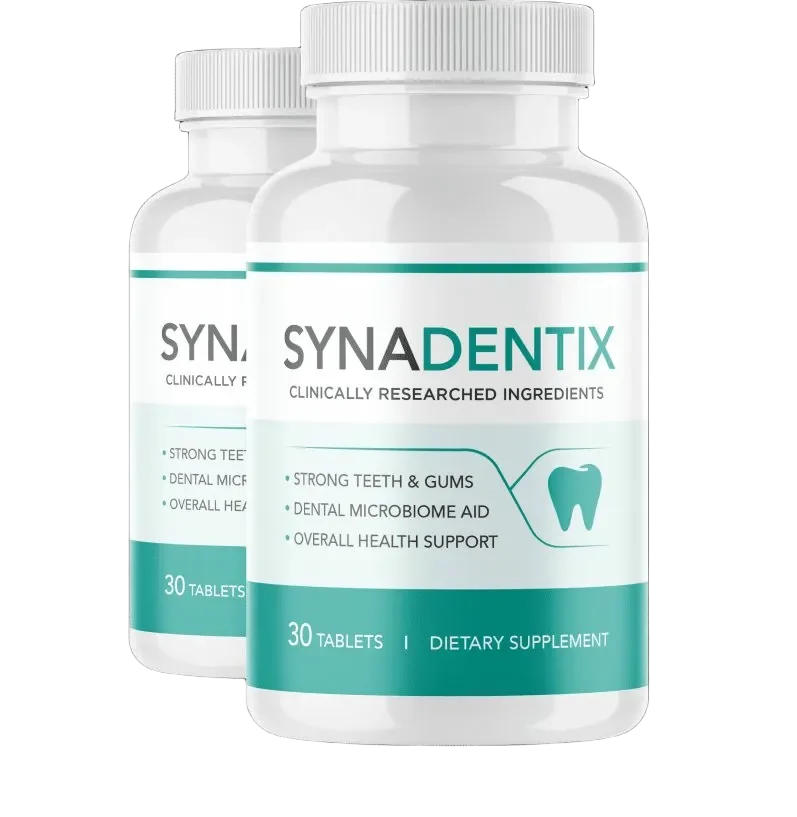
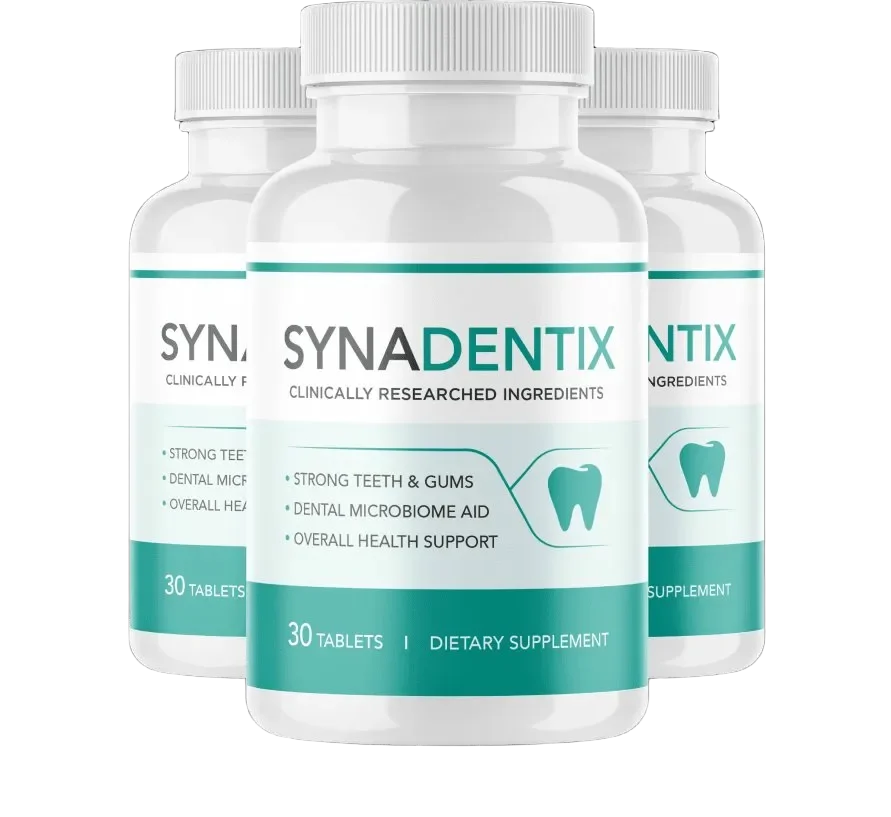
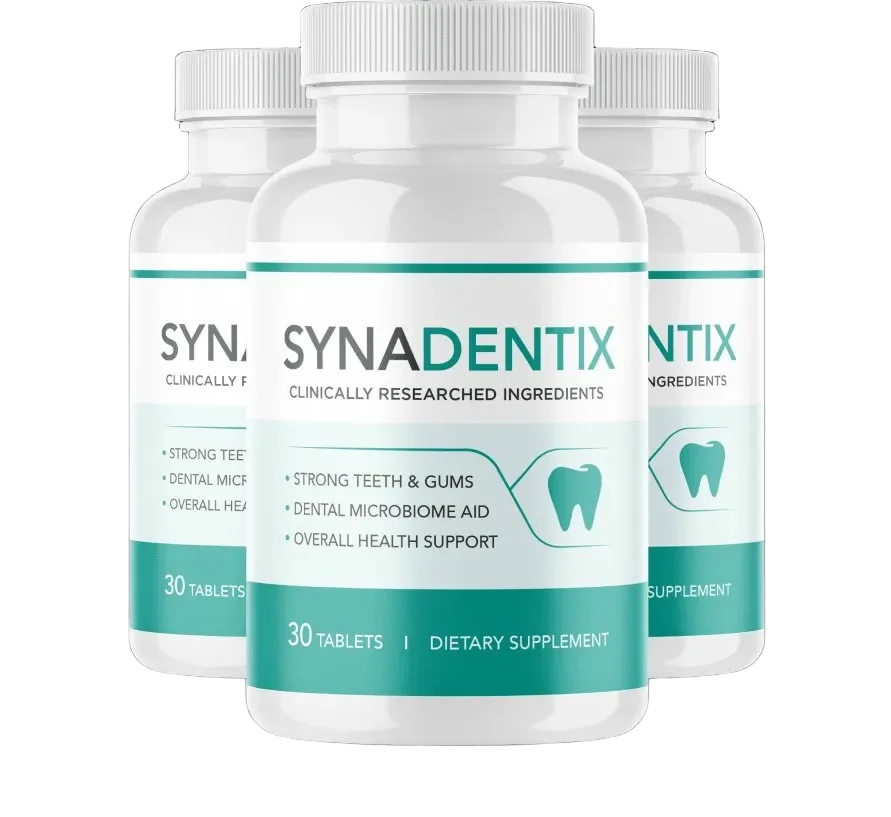
Supplements like Synadentix are formulated with a blend of natural ingredients specifically chosen for their potential to support these mechanisms. They are designed to work synergistically with your daily brushing and flossing, providing an additional layer of defense against the relentless assault of oral bacteria. While not a cure, they can be a valuable part of a holistic strategy for optimal gum health.
Key Ingredients in Synadentix for Gum Health
Synadentix harnesses the power of natural compounds, each selected for its scientifically recognized role in supporting oral health and combating the effects of harmful bacteria.
Zinc
Essential mineral for immune function and wound healing. Zinc has antibacterial properties, helping to inhibit plaque formation and reduce the growth of harmful oral bacteria. It also supports the integrity of gum tissues.
Dose: Typically 10-20 mg
Vitamin C (Ascorbic Acid)
A powerful antioxidant crucial for collagen synthesis, which is vital for strong gum tissue. Vitamin C strengthens blood vessels in the gums and enhances the immune response, helping fight off bacterial infections and reduce inflammation.
Dose: Typically 500-1000 mg
Coenzyme Q10 (CoQ10)
A potent antioxidant and anti-inflammatory compound naturally present in the body. CoQ10 is known to improve gum health, reduce inflammation, and accelerate healing, particularly beneficial for those with gingivitis and periodontitis.
Dose: Typically 100-200 mg
Lactobacillus Reuteri
A beneficial probiotic strain that helps balance the oral microbiome. It can inhibit the growth of pathogenic bacteria, reduce plaque formation, and decrease gum inflammation, promoting a healthier environment in the mouth.
Dose: Typically 1-10 billion CFU
Peppermint Extract
Known for its antimicrobial and anti-inflammatory properties. Peppermint helps combat bad breath by neutralizing odor-causing bacteria and provides a soothing effect on inflamed gum tissues, contributing to overall oral comfort.
Dose: Proprietary blend
Clove Bud Oil
A traditional remedy for toothaches and gum inflammation, clove oil contains eugenol, a powerful antiseptic and analgesic compound. It helps reduce pain, fight oral bacteria, and decrease inflammation, supporting gum health.
Dose: Proprietary blend
Lysozyme
A natural enzyme found in saliva, tears, and other bodily fluids, known for its antibacterial properties. Lysozyme helps break down bacterial cell walls, offering a natural defense against various oral pathogens and supporting the immune system.
Dose: Proprietary blend
Ceylon Cinnamon
Recognized for its strong antimicrobial and anti-inflammatory effects. Cinnamon can help reduce the growth of harmful oral bacteria responsible for plaque and gum disease, contributing to fresher breath and healthier gums.
Dose: Proprietary blend
These ingredients, when combined in a carefully balanced formula like Synadentix, aim to provide comprehensive support for your gum health, working to rebalance your oral microbiome, reduce inflammation, and strengthen your gums against the persistent threat of pathogenic bacteria.
Take Control of Your Oral Health with Synadentix
Don't let harmful oral bacteria dictate the fate of your gums and teeth. Synadentix offers a unique blend of natural ingredients, carefully formulated to support a healthy oral environment and provide an extra layer of defense against gum disease.
- ✓ Supports a balanced oral microbiome
- ✓ Helps reduce gum inflammation and bleeding
- ✓ Strengthens gum tissues and supports healing
- ✓ Formulated with potent natural antioxidants
- ✓ Promotes overall dental and systemic health




What Our Customers Are Saying
"I was constantly battling bleeding gums, despite meticulous brushing and flossing. After adding Synadentix to my routine for just a few weeks, I noticed a significant reduction in bleeding and my gums feel much healthier. It's truly made a difference!"
"My dentist had warned me about early signs of periodontitis. I started taking Synadentix along with improving my hygiene, and at my last check-up, my hygienist was impressed with the improvement. My gums are firmer and the inflammation is way down. Highly recommend!"
"I've struggled with bad breath for years, which I now realize was linked to my gum health. Synadentix has helped tremendously. My mouth feels cleaner, my breath is fresher, and I feel more confident. It's been a game-changer for my oral comfort."
Frequently Asked Questions
What is the primary cause of gum disease?
+The primary cause of gum disease is the accumulation of bacterial plaque on and around the teeth. If not removed through regular brushing and flossing, these bacteria produce toxins that irritate the gums, leading to inflammation and infection.
Can gum disease lead to tooth loss?
+Yes, gum disease is a leading cause of tooth loss in adults. As the disease progresses from gingivitis to periodontitis, the infection destroys the bone and tissues supporting the teeth, causing them to loosen and eventually fall out or require extraction.
Is gum disease contagious?
+While gum disease itself isn't typically considered contagious in the way a cold is, the bacteria that cause it can be transferred through saliva. Sharing utensils, kissing, or other close contact can potentially transfer these bacteria, though good oral hygiene habits are usually sufficient to prevent infection.
How does Synadentix help with gum health?
+Synadentix is formulated with natural ingredients designed to support gum health by targeting the root causes of inflammation and bacterial imbalance. It aims to strengthen gum tissues, reduce harmful bacteria, and promote a healthy oral environment, complementing your daily oral hygiene routine.
What are the signs of gum disease I should look out for?
+Common signs include red, swollen, or tender gums, bleeding gums during brushing or flossing, persistent bad breath, receding gums, loose teeth, and changes in how your teeth fit together when you bite. If you notice any of these symptoms, consult your dentist promptly.
Can diet impact my gum health?
+Absolutely. A diet rich in processed foods, sugars, and refined carbohydrates can fuel harmful oral bacteria and promote inflammation. Conversely, a diet rich in fruits, vegetables, lean proteins, and healthy fats provides essential nutrients that support a strong immune system and healthy gum tissues.
Related Articles