Can Oil Pulling Truly Combat Gum Disease?
Gum disease, ranging from mild gingivitis to severe periodontitis, affects millions worldwide. It's a silent epidemic that, if left untreated, can lead to tooth loss and impact overall health. Many seek natural alternatives to complement traditional dental care, and oil pulling often emerges as a popular topic.
This ancient Ayurvedic practice involves swishing oil in your mouth for an extended period. But does it genuinely hold the key to healthier gums, or is it just another fleeting trend? Let's dive deep into the evidence and efficacy of oil pulling for gum disease.
Understanding Gum Disease: More Than Just a Cavity
Before we explore the role of oil pulling, it's crucial to understand what gum disease is and its profound impact on your health.
Gum disease, medically known as periodontal disease, is a progressive inflammatory condition affecting the tissues surrounding and supporting your teeth. It begins subtly, often without pain, making it easy to overlook until it reaches more advanced stages. The primary culprit behind gum disease is bacterial plaque—a sticky film of bacteria that constantly forms on your teeth. If plaque isn't removed daily through proper brushing and flossing, it hardens into tartar, which can only be removed by a dental professional.
The progression typically unfolds in two main stages:
- Gingivitis: This is the milder form, characterized by inflamed, red, swollen gums that may bleed easily during brushing or flossing. At this stage, the damage is often reversible with good oral hygiene and professional cleaning.
- Periodontitis: If gingivitis is left untreated, it can advance to periodontitis. Here, the inflammation spreads below the gum line, causing the gums to pull away from the teeth, forming "pockets." These pockets become breeding grounds for bacteria, leading to infection. The body's immune response, combined with bacterial toxins, starts to break down the bone and connective tissue that hold teeth in place. As the disease progresses, teeth may loosen, shift, and eventually require extraction.
The implications of gum disease extend far beyond your mouth. Research has established significant links between periodontal disease and various systemic health issues, including heart disease, stroke, diabetes, respiratory disease, and even certain types of cancer. This connection highlights why maintaining healthy gums is not just about preserving your smile, but about safeguarding your overall well-being. Understanding the causes of gum disease is the first step towards effective prevention and management.
💡 Key Takeaway
Gum disease progresses from reversible gingivitis to destructive periodontitis, driven by plaque buildup. It impacts not only oral health but also has strong links to serious systemic conditions, making early detection and intervention critical.
What is Oil Pulling? An Ancient Practice Revisited
With a clearer understanding of gum disease, let's turn our attention to oil pulling—an age-old remedy gaining contemporary interest.
Oil pulling is an ancient Ayurvedic folk remedy that dates back thousands of years in India. The practice involves swishing a tablespoon of oil (typically coconut, sesame, or sunflower oil) in your mouth for 15 to 20 minutes, then spitting it out. The idea is that the oil "pulls" out bacteria, toxins, and other impurities from the oral cavity, leading to improved oral hygiene and overall health.
Historically, oil pulling was believed to cure a wide range of ailments, from headaches and asthma to diabetes and skin conditions. While modern science has largely refuted these broad claims, its potential benefits for oral health have garnered more attention. The mechanical action of swishing, combined with the properties of certain oils, is thought to contribute to its effects.
The process is simple: take about one tablespoon of your chosen oil, put it in your mouth, and gently swish it around, pushing and pulling it through your teeth and gums. The oil will thicken and become milky as it mixes with saliva and absorbs toxins. After 15-20 minutes, spit the oil into a waste bin (not down the sink, as it can clog pipes), rinse your mouth with warm water, and then proceed with your regular brushing and flossing routine. Consistency is often cited as key, with many practitioners recommending daily oil pulling, ideally on an empty stomach in the morning.
The Proposed Mechanisms: How Oil Pulling Might Work
While the exact scientific mechanisms are still being fully explored, proponents suggest several ways oil pulling could benefit oral health.
Mechanical Cleansing Action
The act of vigorously swishing oil through the mouth can physically dislodge food particles and loose plaque from the tooth surfaces and between teeth. This mechanical action is similar to rinsing with mouthwash, but with a longer duration, potentially allowing for more thorough removal of debris.
Saponification Effect
Some theories suggest that the fats in the oil react with saliva to form a soap-like substance. This saponification process could help to emulsify and lift plaque and bacteria from the teeth and gums, making them easier to remove when the oil is spit out.
Antimicrobial Properties of Specific Oils
Certain oils, particularly coconut oil, contain compounds with known antimicrobial effects. Coconut oil is rich in lauric acid, which has been shown in laboratory studies to have significant antibacterial, antiviral, and antifungal properties. When metabolized, lauric acid forms monolaurin, which can disrupt the cell membranes of bacteria, including Streptococcus mutans, a primary bacterium responsible for tooth decay and gum disease.
Reduction of Oral Biofilm
Bacteria in the mouth form complex communities called biofilms (plaque). Oil pulling may help to disrupt these biofilms, making it harder for harmful bacteria to adhere to tooth surfaces and proliferate. By reducing the overall bacterial load, it can contribute to a healthier oral environment.
Anti-inflammatory Effects
Some oils, like sesame oil, are rich in antioxidants and anti-inflammatory compounds. By reducing inflammation in the gum tissues, oil pulling could potentially alleviate symptoms of gingivitis, such as redness and swelling, and contribute to overall gum health.
The Scientific Evidence: Does It Really Work for Gum Disease?
Despite its long history, rigorous scientific research on oil pulling, especially concerning gum disease, is relatively limited compared to conventional dental treatments.
Early research and anecdotal evidence painted a very optimistic picture of oil pulling's capabilities. However, modern scientific studies, while showing some promising results, generally suggest a more nuanced view. Most studies focus on its effects on gingivitis (the early, reversible stage of gum disease) and general oral hygiene markers rather than advanced periodontitis.
Key Findings from Research:
- Plaque Reduction: Several studies have indicated that oil pulling can significantly reduce plaque accumulation. For instance, a 2009 study published in the "Journal of Indian Society of Periodontology" found that sesame oil pulling was as effective as chlorhexidine mouthwash (a common antiseptic rinse) in reducing plaque and gingivitis in adolescents.
- Gingivitis Reduction: The anti-inflammatory and antimicrobial properties of oils, particularly coconut oil, appear to contribute to a reduction in gingival inflammation. A 2015 study in the "Journal of Clinical and Diagnostic Research" demonstrated that coconut oil pulling significantly reduced plaque index and gingival index in subjects with plaque-induced gingivitis.
- Bad Breath (Halitosis) Reduction: By reducing the bacterial load in the mouth, oil pulling can also help in combating halitosis, as many odor-causing compounds are produced by oral bacteria.
- Comparison to Chlorhexidine: Some studies have found oil pulling to be comparable to chlorhexidine in reducing plaque and gingivitis, though chlorhexidine often shows a faster onset of action. It's important to note that chlorhexidine can have side effects like tooth staining, which oil pulling does not.
Limitations and Gaps in Research:
While these findings are encouraging, it's crucial to acknowledge the limitations:
- Sample Sizes and Methodology: Many studies are relatively small, short-term, and may lack robust methodologies, making it difficult to draw definitive conclusions.
- Lack of Long-Term Data: There's a scarcity of long-term studies to assess the sustained effects of oil pulling on oral health and its ability to prevent the progression of gum disease over many years.
- No Cure for Periodontitis: Crucially, there is no scientific evidence to suggest that oil pulling can reverse or cure established periodontitis, which involves bone loss and deep gum pockets. For such conditions, professional dental intervention, including scaling and root planing, and potentially surgery, is indispensable.
- Not a Replacement for Conventional Care: Dental professionals universally agree that oil pulling should not replace standard oral hygiene practices like brushing, flossing, and regular dental check-ups. It can, at best, be an adjunctive therapy.
In summary, current scientific evidence suggests that oil pulling may offer some benefits for reducing plaque, gingivitis, and bad breath, primarily as a complementary practice. It is not a miracle cure for gum disease and cannot substitute for comprehensive dental care, especially for more advanced stages of the condition.
💡 Key Takeaway
Scientific studies show oil pulling can reduce plaque, gingivitis, and bad breath, often comparable to conventional rinses. However, it's not a cure for advanced gum disease and must complement, not replace, regular brushing, flossing, and professional dental care.
Choosing Your Oil and Best Practices for Oil Pulling
If you decide to incorporate oil pulling into your routine, selecting the right oil and following proper techniques are essential for safety and potential efficacy.
Coconut Oil
Pros: Widely popular due to its high content of lauric acid, which has proven antimicrobial and anti-inflammatory properties. It's also pleasant-tasting for many. Cons: Can solidify at cooler temperatures, making it a bit harder to use directly from the jar.
Sesame Oil
Pros: Traditionally used in Ayurveda, rich in antioxidants, including sesamol and sesamin, which have anti-inflammatory effects. It's believed to help detoxify the body. Cons: Has a distinct flavor that some may find strong or unpleasant.
Sunflower Oil
Pros: Contains Vitamin E, a potent antioxidant, and has anti-inflammatory properties. It's often more neutral in taste than sesame oil. Cons: Less research specifically on its dental benefits compared to coconut oil.
Olive Oil
Pros: Rich in monounsaturated fatty acids and antioxidants. Cons: While healthy, it's not as commonly recommended for oil pulling due to its higher viscosity and less specific research on its direct oral antimicrobial benefits.
General Best Practices:
- Quality Matters: Always choose organic, cold-pressed, unrefined oils to ensure you're getting the purest form without chemical additives.
- Timing: The best time to oil pull is in the morning, on an empty stomach, before you've had anything to eat or drink.
- Amount: Start with one teaspoon if you're new to it, gradually increasing to one tablespoon as you get comfortable.
- Technique: Gently swish the oil around your mouth, pulling it between your teeth. Avoid gargling or swallowing the oil, as it contains bacteria and toxins you're trying to remove.
- Duration: Aim for 15-20 minutes. If you can only manage 5-10 minutes initially, that's fine; gradually increase the time.
- Disposal: Always spit the oil into a waste bin. It will be cloudy and milky. Do not spit it into the sink or toilet, as it can solidify and clog plumbing.
- Rinse: After spitting, rinse your mouth thoroughly with warm water to remove any residual oil and toxins.
- Follow Up: Proceed with your regular oral hygiene routine—brushing and flossing your teeth.
Beyond Oil Pulling: Holistic Approaches to Gum Health
While oil pulling can be a complementary tool, a truly holistic approach to gum health integrates multiple strategies, from daily hygiene to targeted nutritional support.
Maintaining optimal gum health is a multi-faceted endeavor that extends beyond just brushing and flossing. A truly comprehensive strategy involves lifestyle choices, dietary considerations, regular professional care, and potentially, targeted nutritional supplementation.
Essential Pillars of Gum Health:
- Impeccable Oral Hygiene:
- Brushing: Brush your teeth twice a day for two minutes each time with a soft-bristled toothbrush and fluoride toothpaste. Pay attention to the gum line.
- Flossing: Floss daily to remove plaque and food particles from between your teeth and under the gum line, areas your toothbrush can't reach.
- Mouthwash: Consider an antiseptic or therapeutic mouthwash if recommended by your dentist, but do not rely on it as a substitute for brushing and flossing.
- Regular Dental Check-ups and Professional Cleanings:
- Visiting your dentist at least twice a year for check-ups and professional cleanings is non-negotiable. Dentists can remove hardened plaque (tartar) and detect early signs of gum disease before it progresses.
- For those with existing gum disease, more frequent cleanings (e.g., every 3-4 months) may be necessary.
- Balanced Nutrition:
- A diet rich in vitamins, minerals, and antioxidants supports overall immune function and tissue health, including your gums.
- Vitamin C: Crucial for collagen production, which is vital for healthy gum tissue. Deficiency can lead to bleeding gums.
- Vitamin D and Calcium: Essential for strong bones, including the jawbone that supports your teeth.
- Antioxidants: Found in fruits, vegetables, and green tea, they help combat inflammation and oxidative stress, which contribute to gum disease.
- Avoid Sugary and Processed Foods: These contribute to plaque formation and create an acidic environment that favors harmful bacteria.
- Lifestyle Factors:
- Quit Smoking: Smoking is one of the most significant risk factors for developing severe gum disease and hinders treatment effectiveness.
- Manage Stress: Chronic stress can weaken the immune system, making you more susceptible to infections, including gum disease.
- Control Systemic Conditions: If you have conditions like diabetes, managing them effectively is crucial, as they can exacerbate gum disease.
- Targeted Nutritional Support:
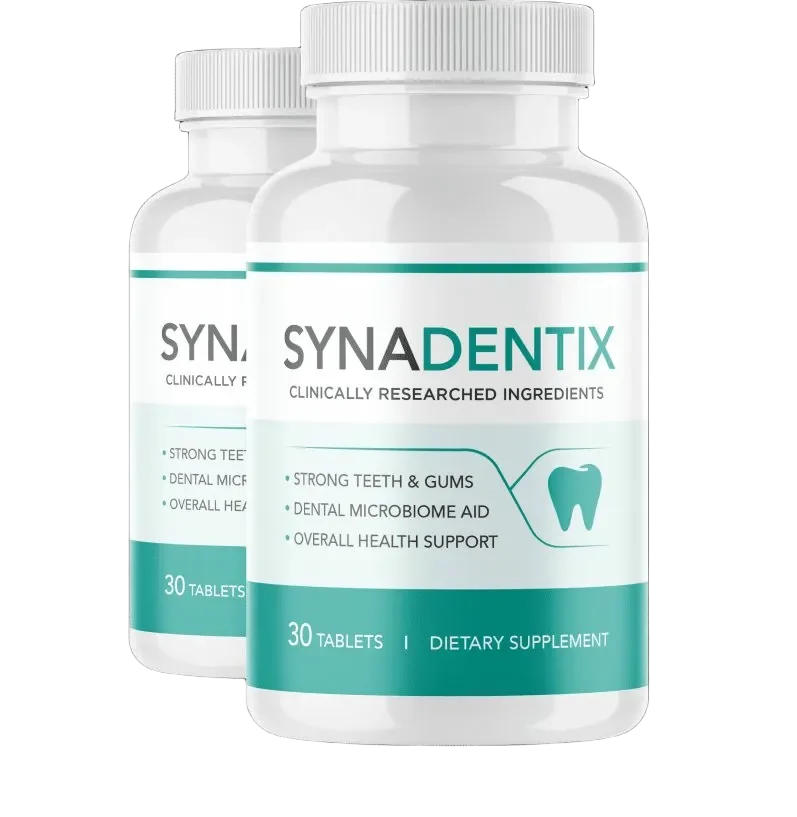
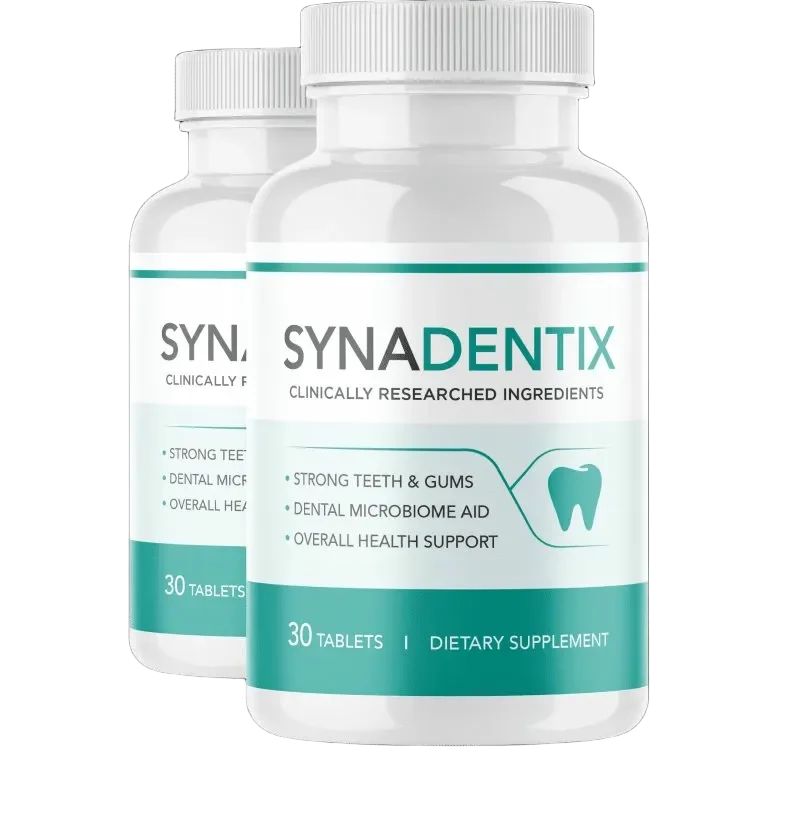
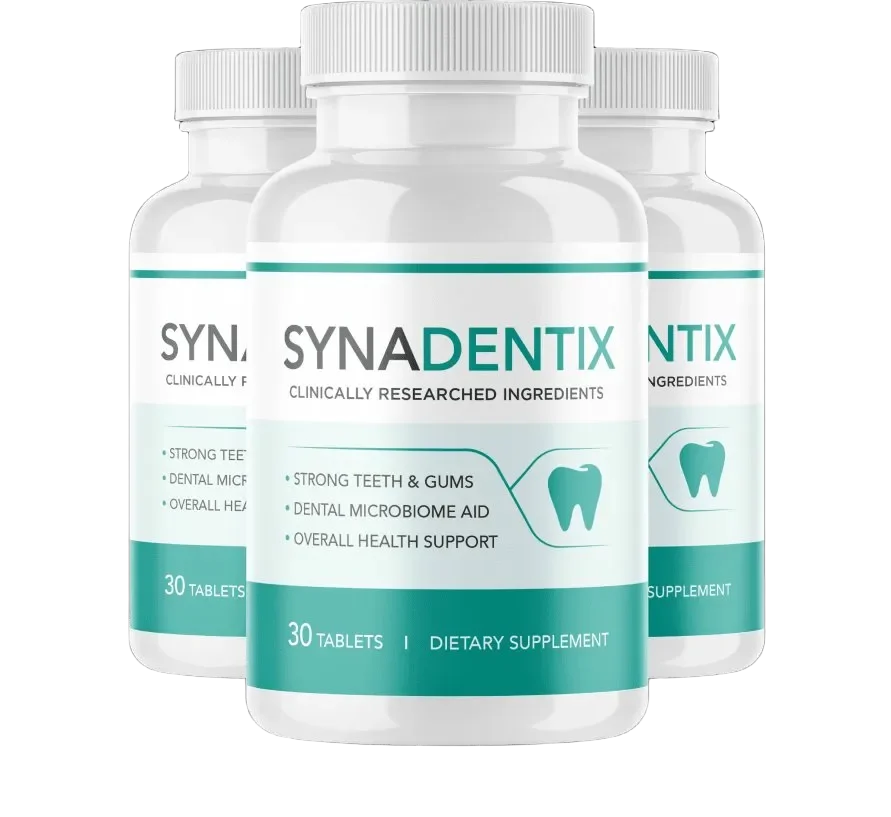
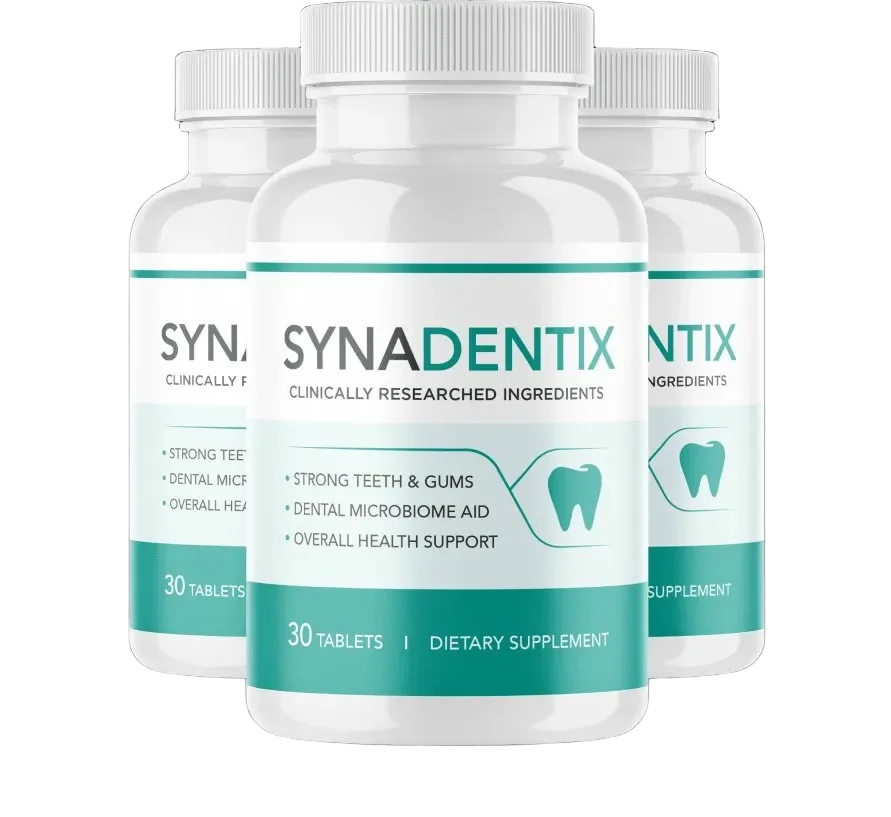
For individuals seeking to give their gums an extra layer of defense, specific supplements can play a supportive role. Ingredients known for their anti-inflammatory, antioxidant, and tissue-healing properties can complement a good oral hygiene routine. For example, some people find benefit in supplements like Synadentix, which is formulated with a blend of natural compounds aimed at supporting gum health and the oral microbiome. Ingredients like CoQ10, for instance, are often studied for their role in gum tissue health. You can learn more about CoQ10 for gum disease and its potential benefits.
💡 Key Takeaway
Optimal gum health requires a holistic approach: diligent oral hygiene, regular dental visits, a nutrient-rich diet, healthy lifestyle choices, and potentially, targeted nutritional support to fortify gum tissues and combat inflammation.
Introducing Synadentix: A Natural Approach to Gum Health Support
While oil pulling focuses on surface cleansing, Synadentix offers a different, deeper approach by providing targeted nutritional support for your gum tissues and oral microbiome from within.
Coenzyme Q10 (CoQ10)
Role: A powerful antioxidant essential for cellular energy production. In gum health, CoQ10 is vital for tissue repair and reducing inflammation, often found to be deficient in individuals with gum disease.
Typical: 100-200mgBerberine
Role: A natural alkaloid with strong antimicrobial and anti-inflammatory properties. It helps combat harmful oral bacteria and reduces gum inflammation, supporting a balanced oral microbiome.
Typical: 500-1500mgMilk Thistle
Role: Primarily known for its liver-protective properties, milk thistle supports the body's natural detoxification processes, which can indirectly benefit overall health and reduce systemic inflammation that impacts gum health.
Typical: 200-400mgZinc
Role: An essential mineral crucial for immune function, wound healing, and maintaining healthy tissues. Zinc helps in the repair of gum tissue and offers antibacterial benefits in the oral cavity.
Typical: 15-30mgAlpha Lipoic Acid (ALA)
Role: A potent antioxidant that helps protect cells from damage and reduces oxidative stress. ALA is also known for its anti-inflammatory effects, which can be beneficial in managing gum disease.
Typical: 300-600mgGreen Tea Extract
Role: Rich in catechins, powerful antioxidants that possess anti-inflammatory and antimicrobial properties. Green tea extract helps inhibit the growth of harmful oral bacteria and reduces gum inflammation, promoting healthier gum tissue.
Typical: 200-400mgSynadentix is designed to be a supportive element in your overall gum health strategy. It's not a replacement for brushing, flossing, or professional dental care, but rather a powerful complement that works from within to nourish and protect your gums. For those looking for an exclusive offer, you might want to check out the current Synadentix discount deal available for a limited time.
When to See a Dentist: The Non-Negotiable Step
While natural remedies and supplements can play a supportive role, professional dental care remains the cornerstone of effective gum disease management.
It's vital to understand that oil pulling, even if effective as an adjunct, or even supplements like Synadentix, cannot replace the expertise and intervention of a qualified dental professional. Gum disease, especially in its more advanced stages, requires professional diagnosis, treatment, and ongoing management.
You should see a dentist immediately if you experience any of the following symptoms:
- Persistent Bad Breath: Even after brushing and flossing, persistent bad breath can be a sign of bacterial overgrowth and gum disease.
- Red, Swollen, or Tender Gums: These are classic signs of gingivitis.
- Bleeding Gums: Gums that bleed easily during brushing or flossing are a clear indicator of inflammation.
- Receding Gums: Gums that pull away from your teeth, making your teeth look longer.
- Loose or Shifting Teeth: A sign of advanced periodontitis where the bone supporting your teeth is being destroyed.
- Pus Between Teeth and Gums: Indicates an active infection.
- Changes in Bite: Any changes in how your teeth fit together when you bite.
- New Spaces Between Teeth: Caused by bone loss and shifting teeth.
Your dentist can accurately diagnose the stage of your gum disease, recommend appropriate treatments (such as scaling and root planing, antibiotics, or even surgery for severe cases), and provide personalized advice for maintaining your oral health. Ignoring these symptoms or relying solely on alternative remedies can lead to irreversible damage and tooth loss.
Integrating Oil Pulling and Supplements into Your Oral Health Routine
For those interested in a holistic approach, intelligently combining traditional and complementary methods can be highly beneficial.
The key to successful oral health management lies in integration, not substitution. If you choose to incorporate oil pulling or a supplement like Synadentix, view them as valuable additions to your existing, proven routine, rather than replacements for fundamental practices.
A Recommended Integrated Routine:
- Morning Ritual:
- Oil Pulling: On an empty stomach, perform oil pulling for 15-20 minutes.
- Rinse & Brush: Spit the oil, rinse thoroughly with warm water, then brush your teeth with fluoride toothpaste.
- Floss: Follow with flossing to clean between teeth.
- Synadentix: Take your Synadentix supplement as directed, ideally with a meal to aid absorption.
- Evening Ritual:
- Brush & Floss: Before bed, thoroughly brush and floss your teeth to remove the day's plaque and food debris.
- Optional Mouthwash: If desired and recommended by your dentist, use an antiseptic mouthwash.
- Throughout the Day:
- Healthy Diet: Maintain a balanced diet rich in fruits, vegetables, and lean proteins, limiting sugary snacks and drinks.
- Hydration: Drink plenty of water to help wash away food particles and neutralize acids.
- Regular Professional Care:
- Dental Check-ups: Schedule and attend regular dental check-ups and professional cleanings every six months, or more frequently if advised by your dentist.
- Discuss with Your Dentist: Always inform your dentist about any complementary practices or supplements you are using, including oil pulling and Synadentix. They can provide personalized advice and ensure these practices align with your overall treatment plan.
By adopting a layered approach that combines the best of conventional dentistry with potentially beneficial complementary practices, you empower yourself with a comprehensive strategy for maintaining robust gum health and overall well-being.
Transform Your Gum Health with Synadentix
Synadentix offers a powerful, natural approach to supporting healthy gums and teeth, designed to complement your daily oral hygiene routine. Formulated with clinically backed ingredients, it works to fortify your oral defenses from within.
- Supports healthy gum tissue
- Helps reduce inflammation and bleeding
- Promotes a balanced oral microbiome
- Fortifies tooth enamel against decay
- Made with clinically backed natural ingredients




What Our Customers Say
"I was skeptical about another gum health supplement, but Synadentix has genuinely made a difference. My gums feel stronger, and the bleeding has significantly reduced. It's a game-changer for my oral routine!"
"After years of dealing with sensitive and inflamed gums, I decided to try Synadentix. Combined with my regular dental care, I've noticed a remarkable improvement. My dentist even commented on the health of my gums!"
"I've been using Synadentix for three months now, and I can confidently say my mouth feels healthier than ever. Less irritation, fresher breath, and I love that it's all natural. Highly recommend for anyone struggling with gum issues."
Frequently Asked Questions
What exactly is gum disease and why is it a concern?
+Gum disease, also known as periodontal disease, is an infection of the tissues that hold your teeth in place. It typically starts with gingivitis, characterized by inflamed, bleeding gums. If left untreated, it can progress to periodontitis, where the gums pull away from the teeth, forming pockets that become infected. This can lead to bone and tissue loss, eventually causing tooth mobility and loss. Beyond oral health, gum disease has been linked to systemic conditions like heart disease, diabetes, and stroke, making its prevention and treatment crucial for overall well-being.
How does oil pulling supposedly work for gum disease?
+The theory behind oil pulling suggests that swishing oil in the mouth acts like a natural cleanser, drawing out bacteria, toxins, and impurities from the oral cavity. Proponents believe that the oil's fatty nature attracts lipid-soluble toxins and microbes, effectively 'pulling' them from the gums and teeth. Specific oils like coconut oil contain compounds such as lauric acid, which has known antimicrobial and anti-inflammatory properties, further enhancing its perceived benefits against oral pathogens responsible for gum disease.
Is oil pulling scientifically proven to cure gum disease?
+While some studies suggest that oil pulling can help reduce plaque, gingivitis, and bad breath, primarily due to its mechanical cleansing action and the antimicrobial properties of certain oils (like coconut oil), it is not scientifically proven to cure advanced gum disease (periodontitis). It can be a beneficial adjunct to a comprehensive oral hygiene routine, but it should not replace brushing, flossing, or professional dental care. For established gum disease, professional treatment from a dentist or periodontist is essential.
What are the best oils to use for oil pulling, and how long should I do it?
+The most commonly recommended oils for oil pulling are cold-pressed organic coconut oil, sesame oil, and sunflower oil. Coconut oil is popular due to its lauric acid content, which offers antimicrobial benefits. Sesame oil is traditionally used in Ayurvedic practices and is rich in antioxidants. Sunflower oil also contains beneficial fatty acids. For best results, it's generally recommended to swish 1 tablespoon of oil in your mouth for 15 to 20 minutes, ideally on an empty stomach in the morning. Be sure to spit the oil into the trash, not down the drain, to avoid clogging pipes.
Can I use oil pulling instead of brushing and flossing?
+Absolutely not. Oil pulling is considered a complementary therapy, not a replacement for fundamental oral hygiene practices like brushing twice daily with fluoride toothpaste and flossing once a day. Brushing mechanically removes plaque and food debris, while flossing targets interdental spaces that oil pulling cannot effectively reach. Skipping these essential steps can lead to plaque buildup, cavities, and worsening gum disease, even if you regularly oil pull. It should be an addition, not a substitute, to your routine.
How does Synadentix support gum health, and how does it fit with oil pulling?
+Synadentix is formulated with a blend of natural ingredients designed to support overall oral health, specifically targeting gum tissue health, reducing inflammation, and promoting a balanced oral microbiome. Ingredients like CoQ10, Berberine, and Alpha Lipoic Acid work synergistically to fortify gums and teeth. While oil pulling offers a mechanical cleansing action, Synadentix provides targeted nutritional support for the underlying health of gum tissues. Used together, they can create a more holistic approach: oil pulling for surface cleansing and Synadentix for deeper tissue support and resilience against gum disease.
Related Articles