Are Your Gums Trying to Tell You Something?
Gum disease, or periodontal disease, is a common condition affecting millions worldwide, yet its early signs often go unnoticed. While many associate dental problems solely with cavities, the health of your gums is equally, if not more, critical to your overall well-being and the longevity of your teeth.
Understanding the specific factors that contribute to gum inflammation and its progression to periodontitis is the first step toward effective prevention and treatment. From the most obvious culprits like bacterial plaque to more subtle influences like genetics and systemic health conditions, a clear picture of these causes empowers you to take control of your oral health journey.
The Primary Culprit: Bacterial Plaque and Tartar
At the heart of almost every case of gum disease lies the relentless accumulation of bacterial plaque. This sticky, colorless film constantly forms on your teeth, and if not removed regularly, it sets off a cascade of events leading to inflammation and eventual tissue destruction.
Bacterial plaque is a biofilm composed of bacteria, food particles, and saliva. These bacteria feed on sugars from your diet, producing acids that erode tooth enamel (leading to cavities) and toxins that irritate gum tissues. When plaque is not thoroughly removed through daily brushing and flossing, it begins to harden into a substance called calculus, or tartar. Tartar cannot be removed by brushing alone and requires professional dental cleaning. Its rough surface provides an ideal environment for more plaque to accumulate, creating a vicious cycle.
The toxins released by bacteria in plaque trigger an inflammatory response in your gums, a condition known as gingivitis. This is the earliest and mildest form of gum disease, characterized by red, swollen, and easily bleeding gums. While gingivitis is reversible with proper oral hygiene and professional care, ignoring these warning signs allows the condition to progress, potentially leading to the more severe form: periodontitis.
Understanding this fundamental cause highlights the non-negotiable importance of daily oral hygiene. Without consistent removal of plaque, the foundation for gum disease is firmly laid, irrespective of other contributing factors. It's a battle fought daily, and your toothbrush and floss are your primary weapons.
💡 Key Takeaway
The most fundamental cause of gum disease is bacterial plaque, which hardens into tartar and releases toxins that irritate gums, leading to inflammation (gingivitis) and potentially progressing to periodontitis if not controlled by diligent oral hygiene.
Beyond Plaque: Systemic and Lifestyle Risk Factors
While plaque is the direct initiator, numerous other factors significantly increase your susceptibility to gum disease, influencing both its onset and progression. These systemic and lifestyle elements can weaken your immune response, alter your oral environment, or directly damage gum tissues.
Smoking and Tobacco Use
Smoking is one of the most significant risk factors for developing severe gum disease. It impairs the immune system, making it harder for your body to fight off bacterial infections in the gums. Tobacco use also restricts blood flow to the gums, hindering their ability to heal and masking the classic symptom of bleeding gums, which can delay diagnosis. Smokers are also more likely to develop deep periodontal pockets and experience greater bone loss.
Genetic Predisposition
Unfortunately, some individuals are simply more prone to gum disease due to their genetic makeup. Inherited factors can influence how your immune system responds to bacteria, making some people more susceptible to inflammation and tissue destruction even with good oral hygiene. If your parents or grandparents suffered from gum disease, you might have a higher genetic risk.
Diabetes
People with diabetes are at a higher risk for developing gum disease, and severe gum disease can, in turn, make diabetes harder to control. High blood sugar levels weaken the immune system, making individuals more vulnerable to infections, including those in the gums. Diabetes also impairs the body's ability to heal, exacerbating the damage caused by periodontal disease.
Hormonal Changes
Fluctuations in hormones, such as those experienced during pregnancy, puberty, menopause, or with the use of oral contraceptives, can make gums more sensitive and susceptible to inflammation. Increased hormone levels can lead to heightened blood flow to the gums, making them more reactive to plaque bacteria and prone to swelling and bleeding (e.g., "pregnancy gingivitis").
Certain Medications
A variety of medications can affect oral health and contribute to gum disease. Some drugs, like antidepressants, antihistamines, and diuretics, can cause dry mouth (xerostomia), reducing saliva flow which is crucial for washing away food particles and neutralizing acids. Other medications, such as anti-seizure drugs (e.g., phenytoin) and immunosuppressants (e.g., cyclosporine), can lead to abnormal gum tissue growth, making them harder to clean and more susceptible to disease.
Compromised Immune System
Conditions that weaken the body's immune system, such as HIV/AIDS, leukemia, or treatments like chemotherapy, can significantly increase the risk and severity of gum disease. A weakened immune response means the body is less able to fight off the bacterial infections that cause periodontal inflammation, allowing the disease to progress more rapidly.
Poor Nutrition
A diet lacking essential nutrients can compromise the body's immune system and its ability to heal, making it more vulnerable to gum disease. For instance, a severe deficiency in Vitamin C can lead to scurvy, a condition known to cause severe gum bleeding and inflammation. While rare in developed countries, suboptimal nutrition can still play a role in overall gum health and resilience.
Chronic Stress
Chronic stress can have a profound impact on overall health, including oral health. Stress weakens the immune system, making the body less capable of fighting off infections, including bacterial infections in the gums. People under chronic stress may also neglect their oral hygiene routines, further exacerbating their risk of developing gum disease.
Misaligned Teeth or Poor Dental Work
Teeth that are crowded, crooked, or have old, ill-fitting fillings, crowns, or bridges can create areas that are difficult to clean effectively. These hard-to-reach spots become prime locations for plaque and tartar accumulation, increasing the risk of gum inflammation. Properly aligned teeth and well-maintained dental restorations are crucial for easy and effective cleaning.
Teeth Grinding (Bruxism)
Chronic teeth grinding or clenching (bruxism) can put excessive force on the supporting tissues of the teeth. While bruxism doesn't directly cause gum disease, it can accelerate the destruction of the periodontal ligament and bone when gum disease is already present. This added stress can worsen existing inflammation and contribute to faster progression of periodontitis.
The Progression: From Gingivitis to Periodontitis
Understanding the journey from initial gum inflammation to advanced periodontal disease is crucial for appreciating the importance of early intervention. Gum disease doesn't appear overnight; it's a gradual process that can lead to significant oral health problems if left unchecked.
The first stage, gingivitis, is characterized by inflammation of the gums (gingiva) typically caused by plaque buildup. Symptoms include redness, swelling, tenderness, and bleeding during brushing or flossing. At this stage, the infection has not yet spread to the bone or connective tissues supporting the teeth. Crucially, gingivitis is often reversible with consistent oral hygiene and professional dental cleanings. This is the optimal time to intervene and prevent further damage. If you're experiencing bleeding gums, you might find useful information on how to stop bleeding gums naturally.
If gingivitis is ignored, the inflammation can spread below the gum line and affect the bone and ligaments that support the teeth. This marks the onset of periodontitis, a more severe and destructive form of gum disease. In periodontitis, the chronic inflammation causes the gums to pull away from the teeth, forming "pockets" that become breeding grounds for more bacteria. These pockets deepen over time, accumulating more plaque and tartar that are impossible to remove with regular brushing and flossing.
As the infection progresses, the body's immune response, combined with bacterial toxins, begins to break down the bone and connective tissue that hold teeth in place. This leads to several serious consequences:
- Bone Loss: The alveolar bone, which anchors the teeth, is progressively destroyed. This is a irreversible process and a hallmark of periodontitis.
- Gum Recession: Gums pull back from the teeth, exposing the roots, which can lead to sensitivity and an increased risk of root decay.
- Loose Teeth: As bone support diminishes, teeth may become loose or shift, affecting your bite and chewing ability.
- Tooth Loss: In advanced stages, so much bone and tissue are lost that teeth can become so loose they fall out or need to be extracted by a dentist.
- Systemic Impact: The chronic inflammation in the mouth can release bacteria and inflammatory mediators into the bloodstream, potentially contributing to other systemic health issues like heart disease, stroke, diabetes complications, and respiratory problems.
Unlike gingivitis, periodontitis is not reversible. However, its progression can be halted and managed with aggressive professional treatment, including deep cleanings (scaling and root planing), antibiotics, and sometimes surgical interventions. Early diagnosis and consistent management are key to preserving your teeth and overall health.
Recognizing the Warning Signs: When to Seek Help
Being aware of the symptoms of gum disease is paramount for early detection and timely intervention. Many signs are subtle at first, but they can escalate if left unaddressed.
Bleeding Gums
One of the earliest and most common signs of gingivitis is gums that bleed easily during brushing or flossing. Healthy gums should not bleed, so this is a crucial warning sign not to ignore.
Red, Swollen, or Tender Gums
Inflamed gums often appear redder than normal, feel swollen to the touch, and may be tender or painful. These are clear indicators of an active inflammatory process.
Persistent Bad Breath (Halitosis)
The presence of odor-producing bacteria in plaque and deep periodontal pockets can lead to chronic bad breath that doesn't go away, even after brushing.
Receding Gums
As gum disease progresses, the gum tissue can pull away from the teeth, making them appear longer. This exposes the tooth roots, which can lead to sensitivity to hot and cold.
Formation of Deep Pockets
When gums detach from the teeth, they create spaces or "pockets" where bacteria can thrive, leading to further infection and bone loss. Your dentist measures these during check-ups.
Loose or Shifting Teeth
In advanced periodontitis, the destruction of bone and supporting tissues can cause teeth to become loose, move out of alignment, or even fall out.
Changes in Bite or Denture Fit
If your teeth feel like they don't fit together properly when you bite, or if your partial dentures no longer fit comfortably, it could be a sign of underlying bone loss and tooth movement.
Pus Between Teeth and Gums
A sign of active infection, the presence of pus around the gum line or when pressing on the gums indicates a serious problem that requires immediate dental attention.
💡 Key Takeaway
Early detection of gum disease is vital. Watch for persistent bleeding, redness, swelling, bad breath, receding gums, or loose teeth. Any of these symptoms warrant a prompt visit to your dental professional.
Prevention and Management: Taking Control of Your Oral Health
Preventing gum disease and managing its progression involves a multi-faceted approach that combines diligent home care with regular professional interventions and healthy lifestyle choices. It's an ongoing commitment that pays dividends in both oral and overall health.
The cornerstone of prevention is excellent oral hygiene. This means brushing your teeth thoroughly twice a day for at least two minutes with a fluoride toothpaste, and flossing daily to remove plaque and food particles from between your teeth and under the gum line where your toothbrush can't reach. Consider using an antimicrobial mouthwash as an additional step, especially if recommended by your dentist. Proper technique is crucial; ask your dental hygienist for guidance if you're unsure.
Regular dental check-ups and professional cleanings are equally important. Your dentist or hygienist can identify early signs of gum disease that you might miss, and they can remove hardened plaque (tartar) that cannot be removed at home. For those with gingivitis, professional cleanings combined with improved home care can reverse the condition. For periodontitis, more intensive treatments like scaling and root planing (deep cleaning) are necessary to remove plaque and tartar from below the gum line and smooth the root surfaces, preventing further bacterial attachment.
Lifestyle modifications play a significant role. If you smoke or use any tobacco products, quitting is arguably the single most impactful step you can take to improve your gum health and reduce your risk of severe periodontitis. A balanced diet, rich in vitamins and minerals, supports a strong immune system and healthy tissues. Limiting sugary foods and drinks also reduces the fuel for plaque-forming bacteria.
Managing systemic health conditions, particularly diabetes, is critical. Keeping blood sugar levels under control can significantly reduce your risk of developing and exacerbating gum disease. Similarly, addressing other immune-compromising conditions or discussing medication side effects with your doctor can help mitigate their impact on your oral health.
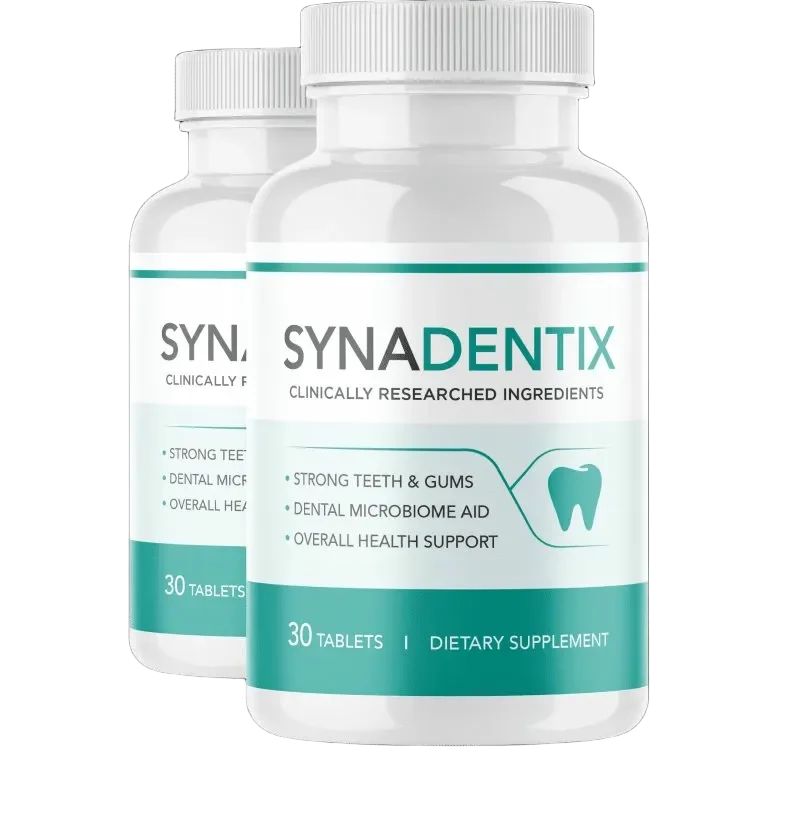
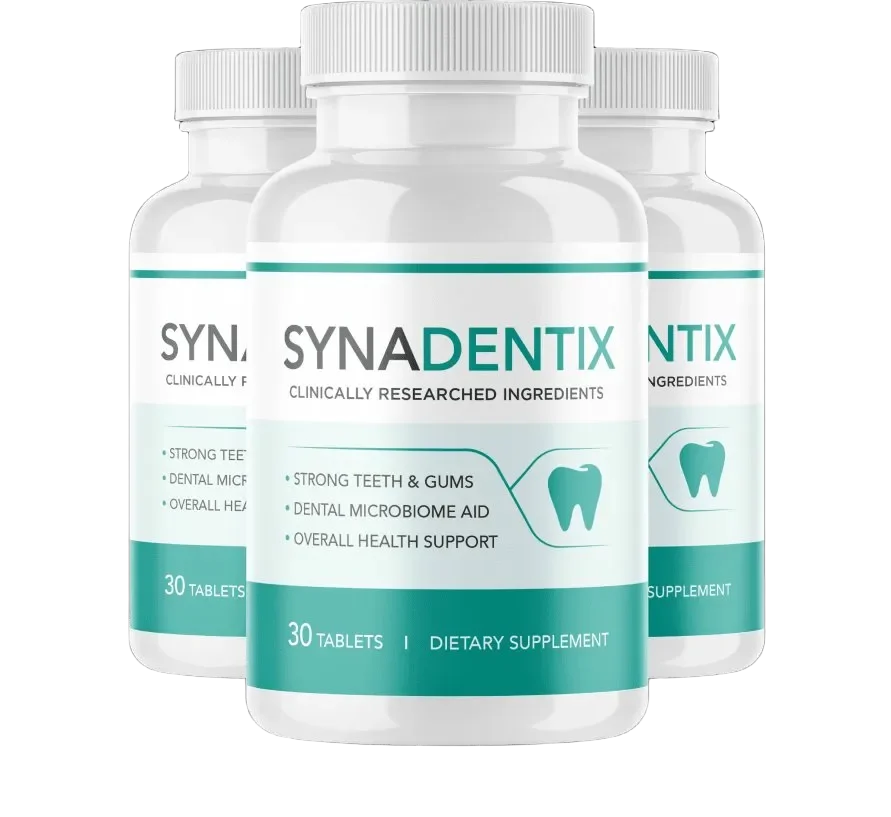
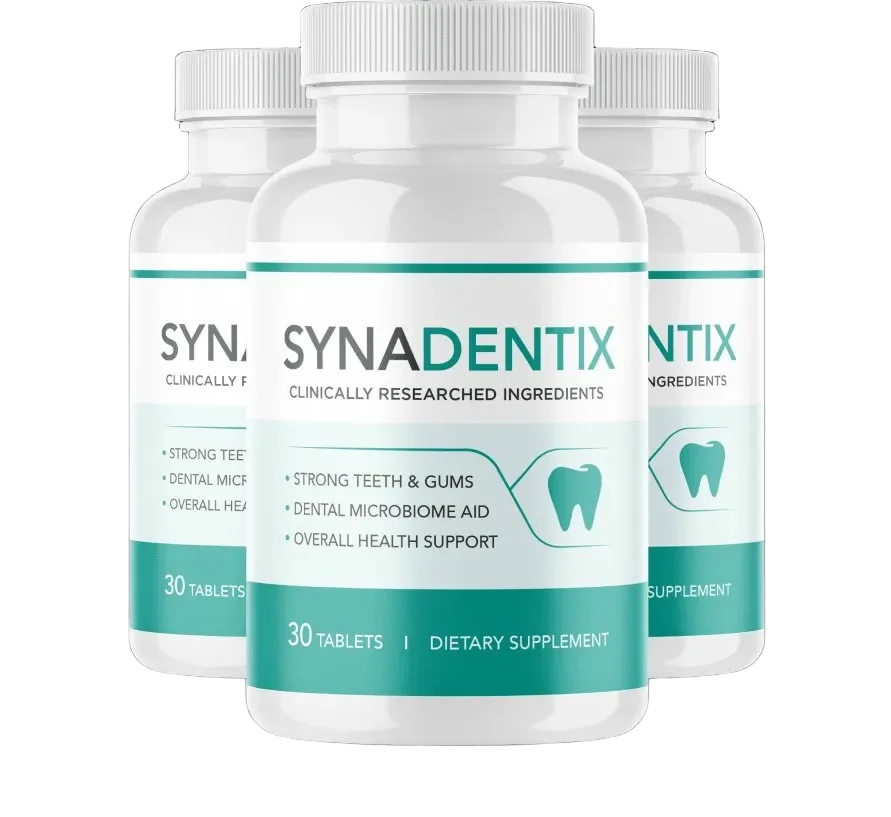
For those seeking complementary approaches to support gum health, natural supplements can sometimes play a supportive role. Products like Synadentix, formulated with a blend of ingredients known for their anti-inflammatory and antioxidant properties, may help maintain a healthy oral environment and support gum tissue integrity when used in conjunction with a comprehensive oral care routine. While supplements are not a substitute for professional dental care, they can be part of a holistic strategy. For more insights into effective solutions, you might want to read our article on the best supplement for bleeding gums and periodontal disease.
In cases where periodontitis is advanced, surgical options such as flap surgery, bone grafts, or soft tissue grafts may be recommended to repair damage and regenerate lost tissue. These procedures aim to reduce pocket depth, stabilize teeth, and restore gum contour.
Ultimately, taking a proactive and preventative stance is your best defense against gum disease. By understanding its causes, recognizing its signs, and committing to consistent care, you can safeguard your smile and contribute positively to your overall health and well-being. Don't wait for severe symptoms; partner with your dental team to maintain optimal gum health.
Supporting Your Gums Naturally: Key Ingredients for Oral Health
While diligent brushing and flossing are non-negotiable, certain natural compounds can offer additional support for gum health, contributing to a balanced oral microbiome and reducing inflammation. Synadentix incorporates several such ingredients to complement your daily routine.
Myrrh Extract
Role: Known for its potent antiseptic and anti-inflammatory properties, Myrrh has been traditionally used to soothe inflamed gums, reduce swelling, and combat oral bacteria. It helps create an environment less hospitable to plaque accumulation.
Traditional use: 100-200mgEchinacea Purpurea
Role: A well-known immune booster, Echinacea supports the body's natural defenses against infection. In oral health, it can help the gums fight off bacterial invaders and promote faster healing of irritated tissues.
Typical dose: 250-500mgBerberine
Role: This powerful plant alkaloid exhibits strong antimicrobial and anti-inflammatory effects. It can help reduce bacterial load in the mouth and calm gum inflammation, contributing to a healthier oral environment.
Common dose: 200-400mgL-Arginine
Role: An amino acid that can help disrupt the formation of bacterial biofilms (plaque) and promote the growth of beneficial oral bacteria, thus supporting a balanced oral microbiome.
Suggested dose: 500-1000mgCoenzyme Q10 (CoQ10)
Role: A potent antioxidant crucial for cellular energy production, CoQ10 is vital for gum tissue health. It helps reduce oxidative stress and inflammation, supporting gum repair and resilience.
Typical dose: 30-100mgZinc Citrate
Role: Zinc is an essential mineral with antimicrobial properties. It helps inhibit bacterial growth and plaque formation, while also supporting immune function and wound healing in the oral cavity.
Recommended dose: 15-30mgPeppermint Oil
Role: Provides a refreshing flavor and possesses natural antiseptic qualities. It helps combat bad breath-causing bacteria and contributes to a clean, fresh feeling in the mouth.
Topical use
Ready to Reclaim Your Gum Health?
If you're concerned about the causes of gum disease and looking for a natural way to support your oral health, Synadentix offers a unique blend of ingredients designed to promote healthy gums and a balanced oral environment. Don't let gum disease compromise your smile or your overall well-being.
- ✓ Supports healthy gum tissue
- ✓ Helps reduce inflammation
- ✓ Promotes a balanced oral microbiome
- ✓ Made with natural, potent ingredients
- ✓ Easy to incorporate into your daily routine




What Our Customers Say
"I've struggled with bleeding gums for years, and nothing seemed to help consistently. Since starting Synadentix a few months ago, I've noticed a significant reduction in bleeding and my gums feel much healthier. It's truly made a difference!"
"My dentist recommended improving my oral hygiene, and I started looking for natural support. Synadentix came highly recommended. My gums are less inflamed, and my breath feels fresher. I'm so glad I found this product."
"As someone with a family history of gum issues, I'm always looking for ways to protect my dental health. Synadentix has become a vital part of my daily routine. My gums feel stronger and healthier, and I feel more confident about my smile."
Frequently Asked Questions
What is the primary cause of gum disease?
+The primary cause of gum disease is the accumulation of bacterial plaque on teeth and gums. If not removed through daily brushing and flossing, this plaque hardens into calculus (tartar) and releases toxins that irritate the gum tissue, leading to inflammation.
Can gum disease be genetic?
+Yes, genetics play a significant role. Some individuals are more predisposed to developing gum disease due to inherited immune responses, which can make them more susceptible to inflammation and tissue destruction even with good oral hygiene practices.
How does smoking contribute to periodontitis?
+Smoking is a major risk factor because it compromises the immune system, making it harder for your body to fight off bacterial infections. It also reduces blood flow to the gums, hindering healing and masking classic symptoms like bleeding gums, which can delay diagnosis and treatment.
Is gum disease reversible?
+Gingivitis, the early stage of gum disease, is often reversible with proper oral hygiene and professional dental cleanings. However, periodontitis, the advanced stage involving irreversible bone loss, is not fully reversible but can be managed and halted with comprehensive treatment to prevent further damage.
What are the early signs of gum disease?
+Early signs of gum disease (gingivitis) include red, swollen, or tender gums, gums that bleed easily during brushing or flossing, and persistent bad breath. Receding gums and increased sensitivity can also be indicators of progression.
How can I prevent gum disease?
+Preventing gum disease involves consistent daily oral hygiene (brushing twice daily, flossing daily), regular dental check-ups and professional cleanings, maintaining a balanced diet, avoiding smoking, and effectively managing any underlying health conditions like diabetes. A proactive approach is key.
Related Articles