Are you tired of seeing red every time you brush or floss?
Bleeding gums are an alarm signal from your body, often indicating the presence of gum disease, a prevalent condition that affects millions worldwide. While it might seem like a minor inconvenience, ignoring bleeding gums can lead to more severe oral health issues, including tooth loss and systemic health problems.
The good news is that bleeding gums are often reversible, especially in their early stages. This comprehensive guide will explore effective, natural strategies focusing on diet, targeted supplements, and meticulous oral care tips to help you achieve holistic gum health. Learn how to transform your oral hygiene routine and nourish your gums from within.
Understanding Bleeding Gums: More Than Just a Minor Annoyance
Bleeding gums are a common complaint, yet their prevalence often leads people to dismiss them as normal. However, this seemingly minor issue is usually the first sign of an underlying problem that, if left unaddressed, can escalate into serious oral and even systemic health complications.
At its core, bleeding gums typically indicate inflammation of the gum tissue, medically known as gingivitis. This early stage of gum disease is primarily caused by the accumulation of bacterial plaque along the gumline. When plaque isn't effectively removed through daily brushing and flossing, the bacteria within it release toxins that irritate the gums, causing them to become red, swollen, tender, and prone to bleeding.
While gingivitis is reversible, ignoring it can lead to a more advanced and destructive form of gum disease called periodontitis. In this stage, the inflammation spreads below the gumline, destroying the bone and tissues that support your teeth. This can result in receding gums, persistent bad breath, loose teeth, and eventually, tooth loss. The implications extend beyond your mouth; research has linked periodontitis to systemic conditions such as heart disease, diabetes, respiratory issues, and even certain types of cancer. Understanding this connection is crucial for taking proactive steps to safeguard your overall health. For more detailed information on supplement support for advanced gum conditions, you might find our article on periodontal-disease-supplement-support.html insightful.
The Root Causes of Bleeding Gums: Beyond Oral Hygiene
While poor oral hygiene is the leading culprit behind bleeding gums, it's important to recognize that several other factors can contribute to or exacerbate the condition. A holistic approach requires understanding these underlying causes.
Plaque and Tartar Buildup
This is the most common cause. When food particles, saliva, and bacteria combine, they form a sticky film called plaque. If plaque isn't removed daily, it hardens into tartar (calculus), which can only be removed by a dental professional. Both plaque and tartar irritate the gums, leading to inflammation and bleeding.
Improper Brushing and Flossing Techniques
Brushing too aggressively or with a hard-bristled toothbrush can injure delicate gum tissue, causing it to bleed. Conversely, insufficient or incorrect brushing and flossing allow plaque to accumulate, leading to gingivitis. Gentle, circular motions are key to effective and safe cleaning.
Nutritional Deficiencies
A lack of essential vitamins and minerals can significantly impact gum health. For instance, a severe deficiency in Vitamin C (scurvy) can lead to fragile, bleeding gums. Similarly, insufficient Vitamin K, crucial for blood clotting, or Vitamin D, important for bone health and immunity, can contribute to gum problems.
Hormonal Changes
Fluctuations in hormones, particularly during pregnancy, puberty, menstruation, or menopause, can make gums more sensitive and prone to bleeding. Increased hormone levels can increase blood flow to the gums, making them more reactive to plaque and bacteria.
Certain Medications
Some medications can cause dry mouth (xerostomia), reducing saliva flow which naturally helps wash away food particles and neutralize acids. Other medications, like blood thinners, can increase the likelihood of bleeding gums. Always inform your dentist about all medications you are taking.
Systemic Health Conditions
Conditions like diabetes can impair the body's ability to fight infection, making individuals more susceptible to gum disease. Autoimmune diseases, blood disorders, and even stress can also compromise immune function and overall gum resilience, increasing the risk of bleeding.
Pillar 1: Optimal Oral Hygiene Practices for Healthy Gums
The cornerstone of stopping bleeding gums and maintaining long-term oral health is a consistent and effective oral hygiene routine. It’s not just about brushing; it’s about a comprehensive approach that targets plaque and bacteria where they hide.
First and foremost, brushing technique is paramount. Use a soft-bristled toothbrush and brush gently for at least two minutes, twice a day. Angle the brush at a 45-degree angle to your gumline, using small, circular motions. Avoid harsh scrubbing, which can damage gums and tooth enamel. Consider an electric toothbrush, as many models have pressure sensors to prevent over-brushing and built-in timers to ensure adequate cleaning time. Replace your toothbrush every three to four months, or sooner if the bristles are frayed.
Daily flossing is non-negotiable. Brushing alone can only reach about 60% of your tooth surfaces. Flossing removes plaque and food particles from between your teeth and under the gumline, areas where bacteria thrive. Use about 18 inches of floss, winding most of it around your middle fingers. Guide the floss between your teeth, curving it around each tooth in a C-shape, and gently slide it beneath the gumline. Use a clean section of floss for each tooth to avoid spreading bacteria.
Incorporating an alcohol-free mouthwash can also be beneficial. While mouthwash doesn't replace brushing and flossing, therapeutic mouthwashes can help reduce plaque, gingivitis, and bad breath. Look for natural options containing ingredients like essential oils (tea tree, peppermint) or xylitol, which can further inhibit bacterial growth without the drying effects of alcohol.
Don't forget your tongue! A tongue scraper can remove bacteria, food debris, and dead cells from the surface of your tongue, contributing to fresher breath and a healthier oral environment. This simple step can significantly reduce the bacterial load in your mouth.
Finally, regular dental check-ups and professional cleanings are vital. Even with the best home care, plaque can harden into tartar, which can only be removed by a dental hygienist. These appointments allow your dentist to monitor your gum health, detect early signs of gum disease, and provide preventative treatments. Typically, visits every six months are recommended, but your dentist might suggest more frequent visits if you have existing gum issues.
Pillar 2: The Power of Diet for Gum Health
What you eat profoundly impacts your overall health, and your gums are no exception. A nutrient-dense diet can significantly bolster your body's ability to fight inflammation and infection, directly contributing to healthier gums and preventing bleeding.
Embrace Anti-inflammatory Foods
Chronic inflammation is a key driver of gum disease. Incorporate foods rich in antioxidants and anti-inflammatory compounds. Think colorful berries (blueberries, strawberries), leafy green vegetables (spinach, kale), fatty fish high in Omega-3s (salmon, mackerel), and spices like turmeric and ginger. These foods help reduce systemic inflammation, benefiting your gums.
Load Up on Vitamin C
Vitamin C is crucial for gum health. It's essential for collagen production, a vital protein that maintains the integrity of gum tissue. It also acts as a powerful antioxidant, supporting your immune system to fight off bacterial infections. Excellent sources include citrus fruits (oranges, grapefruits), bell peppers, broccoli, kiwi, and strawberries.
Prioritize Vitamin K
Often overlooked, Vitamin K plays a critical role in blood clotting and bone metabolism. A deficiency can contribute to excessive bleeding, including from the gums. Boost your intake with leafy green vegetables like kale, spinach, collard greens, and broccoli. Fermented foods can also provide Vitamin K2.
Ensure Adequate Calcium and Phosphorus
These minerals are the building blocks of strong teeth and jawbones. While directly impacting bone health, their absence can indirectly weaken the support structures for your teeth, making gums more vulnerable. Dairy products, fortified plant milks, leafy greens, and nuts are good sources of calcium, while phosphorus is abundant in meat, fish, eggs, and legumes.
Integrate Probiotic-Rich Foods
A healthy balance of bacteria in your mouth (oral microbiome) is just as important as in your gut. Probiotic foods like yogurt, kefir, kimchi, and sauerkraut can introduce beneficial bacteria that help crowd out harmful pathogens, reducing plaque formation and gum inflammation.
Limit Sugary and Acidic Foods
Sugar is the primary food source for harmful oral bacteria, leading to increased plaque and acid production, which damages enamel and irritates gums. Acidic foods and drinks (sodas, fruit juices, sports drinks) can also erode enamel and make gums more susceptible to inflammation. Reduce your intake of these items significantly.
💡 Key Takeaway
Stopping bleeding gums naturally requires a multi-faceted approach: diligent oral hygiene, a nutrient-rich anti-inflammatory diet, and targeted supplements to address deficiencies and support tissue repair. Consistency in these areas is crucial for reversing gingivitis and preventing more serious gum disease.
Pillar 3: Essential Supplements for Enhanced Gum Health
Even with a balanced diet, modern lifestyles and soil depletion can make it challenging to obtain all necessary nutrients from food alone. Targeted supplements can bridge these nutritional gaps, providing additional support for gum tissue repair, immune function, and inflammation reduction, directly contributing to the cessation of bleeding gums.
One of the most vital supplements for gum health is Vitamin C. As previously mentioned, it's indispensable for collagen synthesis, which forms the structural framework of your gums. It also acts as a potent antioxidant, protecting gum tissues from oxidative stress and supporting the immune system in fighting off bacterial infections. Studies have shown a clear link between low Vitamin C intake and an increased risk of gum disease.
Vitamin D, often called the "sunshine vitamin," plays a crucial role in bone density and immune regulation. Adequate Vitamin D levels are associated with reduced inflammation and a lower incidence of periodontitis. It works synergistically with calcium to support the health of the jawbone, which anchors your teeth. Many individuals are deficient in Vitamin D, making supplementation a common recommendation.
Coenzyme Q10 (CoQ10) is a powerful antioxidant and a key component in cellular energy production. Research has indicated that CoQ10 supplementation can significantly improve gum health by reducing inflammation and promoting the healing of gum tissues. It's particularly beneficial for individuals with gum disease, as it helps cells in the gums regenerate and function optimally.
Zinc is another essential mineral for immune function and wound healing. It plays a role in hundreds of enzymatic reactions in the body, including those involved in tissue repair and defense against pathogens. A zinc deficiency can compromise your body's ability to fight oral infections, leading to more persistent gum inflammation and bleeding.
Oral Probiotics are gaining recognition for their ability to balance the oral microbiome. By introducing beneficial bacteria strains (like Lactobacillus reuteri or Streptococcus salivarius K12/M18), these supplements can help inhibit the growth of harmful bacteria responsible for plaque formation and gum disease. A healthy oral microbiome creates an environment less conducive to inflammation and bleeding.
Furthermore, various Herbal Extracts offer natural anti-inflammatory and antimicrobial properties. Green tea extract, for example, contains catechins that can reduce inflammation and inhibit bacterial growth. Peppermint oil and spearmint oil provide natural antiseptic benefits, while turmeric is a well-known anti-inflammatory agent. Echinacea can boost immune response, aiding the body in fighting gum infections.
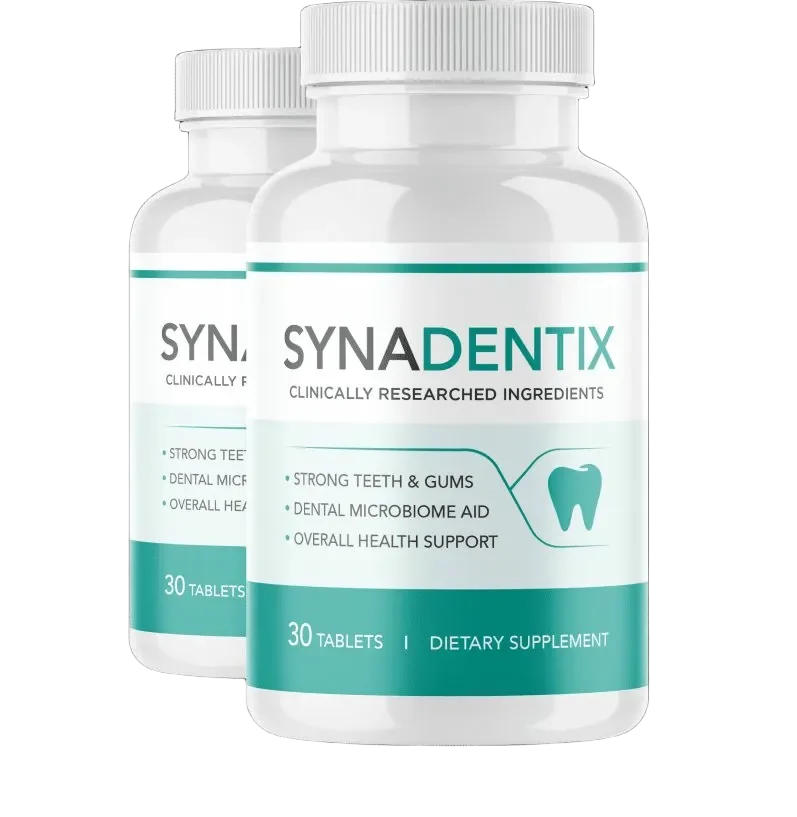
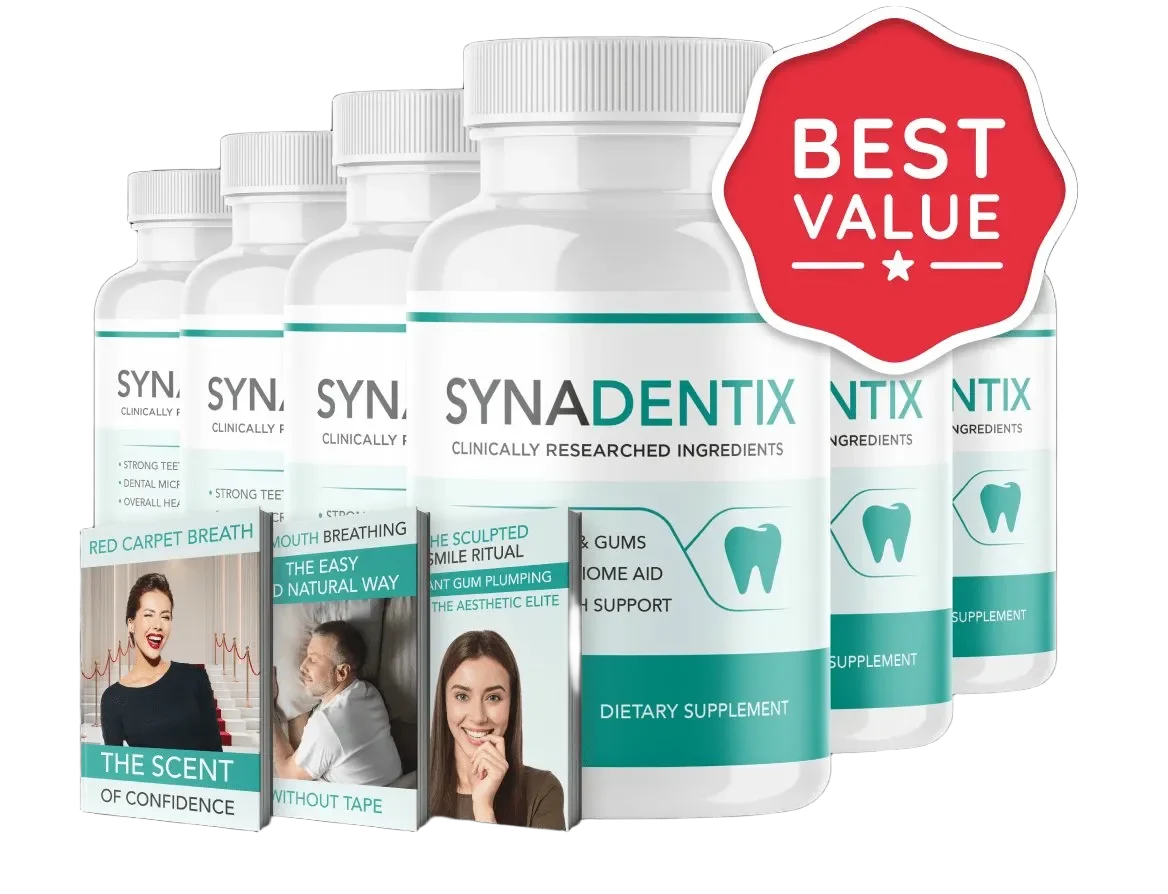
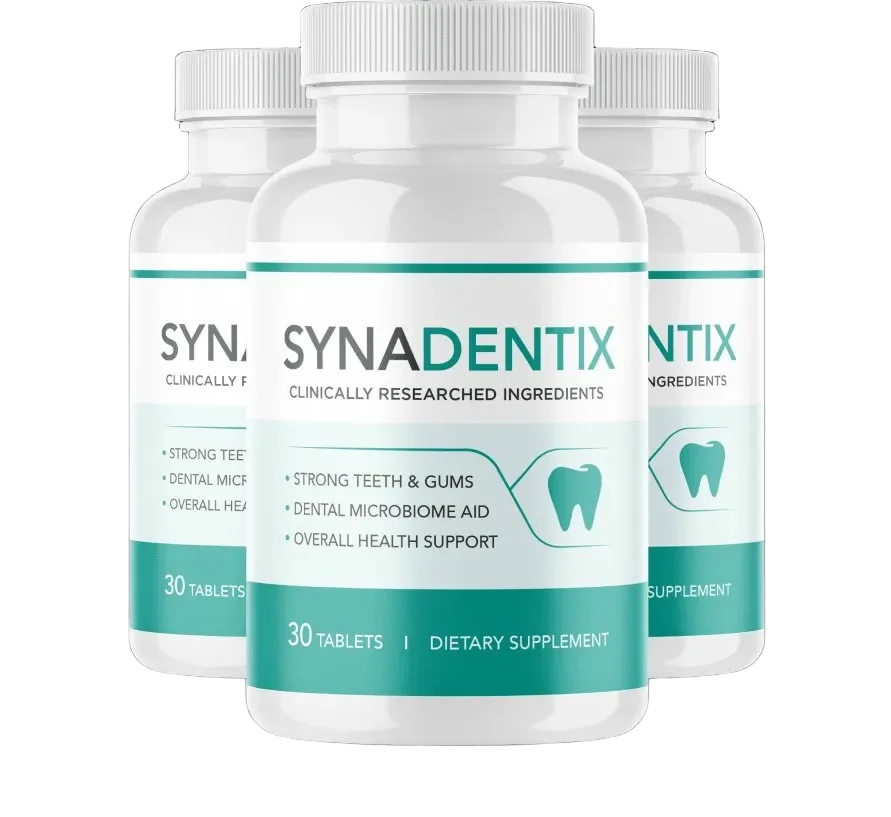
For those seeking a comprehensive solution, products like Synadentix offer a blend of these beneficial ingredients. A well-formulated supplement can provide a targeted approach to supporting gum health, working in conjunction with your diet and oral hygiene practices. To understand how such supplements compare, you might want to explore our article synadentix-vs-other-gum-health-supplements-compared.html.
The Science Behind Synadentix: How Key Ingredients Work Together
Synadentix is formulated with a synergistic blend of natural ingredients, each carefully selected for its scientifically recognized role in promoting oral health and combating the root causes of gum disease. This comprehensive approach aims to reduce inflammation, strengthen gum tissues, and balance the oral microbiome.
Xylitol
A natural sugar alcohol that inhibits the growth of Streptococcus mutans, the primary bacteria responsible for plaque formation and tooth decay. Xylitol reduces plaque buildup and helps prevent the acidic environment that contributes to gum inflammation.
Peppermint Oil & Spearmint Oil
These essential oils are known for their strong antimicrobial properties, effectively combating various oral bacteria. They also provide a refreshing taste, helping to neutralize bad breath commonly associated with gum disease, and possess mild anti-inflammatory effects.
Neem Extract
Derived from the Neem tree, this powerful botanical has been used for centuries in traditional medicine for its exceptional antibacterial, anti-inflammatory, and antifungal properties. Neem helps reduce plaque, soothe inflamed gums, and fight oral infections.
Clove Bud
Rich in eugenol, clove bud is a natural antiseptic and analgesic. It effectively combats oral bacteria, helps reduce pain and discomfort associated with inflamed gums, and contributes to a healthier oral environment by reducing microbial load.
Licorice Root
This ancient herb contains compounds like glabridin and licochalcone A, which have potent anti-inflammatory and antimicrobial effects. Licorice root helps inhibit the growth of bacteria linked to gum disease and can soothe irritated gum tissues.
Echinacea Purpurea
Renowned for its immune-boosting properties, Echinacea helps the body's natural defense mechanisms fight off oral infections. It supports the healing process of gum tissues and reduces inflammation, contributing to stronger, more resilient gums.
Coenzyme Q10 (CoQ10)
A vital antioxidant and a key player in cellular energy production. CoQ10 is crucial for healthy gum tissue, helping to reduce inflammation, promote cellular repair, and enhance the healing of damaged gums, making them less prone to bleeding.
Vitamin K2
Essential for proper blood clotting and bone metabolism, Vitamin K2 supports the strength of the underlying jawbone and helps prevent excessive bleeding from the gums. It also plays a role in calcium regulation, contributing to overall oral structural integrity.
By combining these powerful ingredients, Synadentix aims to provide a holistic support system for your gums, addressing multiple factors contributing to bleeding and inflammation. It's an excellent complementary tool for anyone looking to strengthen their oral defense naturally. For further exploration into optimal supplements for various gum conditions, our article on the best-supplement-bleeding-gums-periodontal-disease.html offers additional insights.
Experience the Difference with Synadentix
Take control of your gum health today. Synadentix offers a powerful, natural solution designed to support healthy gums and a vibrant smile. Formulated with a blend of clinically-backed ingredients, it's your step towards naturally stopping bleeding gums and fostering long-term oral wellness.
- ✓ Supports healthy gum tissue
- ✓ Reduces gum inflammation and bleeding
- ✓ Combats harmful oral bacteria
- ✓ Promotes fresh breath
- ✓ All-natural, non-GMO formula




Real Stories, Real Results
"I was so frustrated with my bleeding gums. After just a few weeks of using Synadentix along with my regular brushing, I noticed a huge difference. The bleeding has almost completely stopped, and my gums feel so much healthier!"
"My dentist recommended I try to improve my gum health naturally. Synadentix was a game-changer. My gums are no longer inflamed, and the sensitivity has decreased dramatically. I highly recommend it to anyone struggling with gum issues."
"I've tried numerous remedies for my bleeding gums, but nothing seemed to work consistently until Synadentix. My mouth feels cleaner, my breath is fresher, and most importantly, the bleeding is gone. This product truly delivers!"
Frequently Asked Questions
Why are my gums bleeding when I brush?
+Bleeding gums are most commonly a sign of gingivitis, an early stage of gum disease caused by plaque buildup along the gumline. This plaque irritates the gum tissue, leading to inflammation and bleeding. It can also be exacerbated by aggressive brushing, certain medications, or systemic health issues.
Can diet really affect my gum health?
+Absolutely. A diet rich in anti-inflammatory foods, vitamins (especially C and K), and minerals like calcium can significantly support gum health. Conversely, diets high in sugar and refined carbohydrates can fuel bacterial growth and inflammation, worsening gum disease. Nutrition plays a crucial role in your body's ability to fight infection and heal.
What are the most important oral care tips for preventing bleeding gums?
+The foundation of preventing bleeding gums lies in consistent and correct oral hygiene. This includes brushing twice daily with a soft-bristled brush, flossing daily to remove plaque between teeth, and using an alcohol-free mouthwash. Regular dental check-ups and professional cleanings are also vital to remove hardened plaque (tartar) that cannot be removed by brushing alone.
How long does it take to stop bleeding gums naturally?
+The time it takes to stop bleeding gums varies depending on the severity of the gum disease and your consistency with natural remedies and oral hygiene improvements. Mild cases of gingivitis may show improvement within a few days to a week of diligent oral care and dietary changes. More advanced cases might require several weeks or months, and often professional dental intervention, alongside natural support.
Is Synadentix a suitable supplement for gum health?
+Synadentix is formulated with a blend of natural ingredients known for their potential to support gum health, reduce inflammation, and combat harmful oral bacteria. It aims to complement a comprehensive oral care routine and a healthy diet, providing additional nutritional support for stronger, healthier gums. As with any supplement, it's advisable to consult your dentist or physician before starting.
When should I see a dentist for bleeding gums?
+While many cases of bleeding gums can be improved with natural methods, it's crucial to see a dentist if bleeding is persistent, accompanied by pain, swelling, loose teeth, receding gums, or bad breath. These could be signs of more advanced periodontal disease requiring professional treatment. Regular dental check-ups, typically every six months, are essential for early detection and prevention.
Related Articles