Are You Looking for Natural Ways to Combat Gum Disease?
Gum disease, also known as periodontal disease, affects millions worldwide, leading to inflammation, bleeding, and potentially tooth loss. While conventional treatments are crucial, many are turning to nature's pharmacy for complementary support.
Discover how specific herbs offer powerful natural antibacterial remedies to soothe inflamed gums, reduce harmful bacteria, and support overall oral wellness.
Understanding Gum Disease: More Than Just a Sore Mouth
Gum disease, medically known as periodontal disease, is a prevalent inflammatory condition that affects the soft tissues and bone supporting your teeth. It’s not merely a cosmetic issue but a serious health concern that can lead to tooth loss and has been linked to systemic health problems like heart disease, diabetes, and respiratory issues.
The primary cause of gum disease is the accumulation of bacterial plaque on teeth. If not removed through daily brushing and flossing, this plaque hardens into tartar, which can only be removed by a dental professional. The bacteria in plaque produce toxins that irritate the gums, leading to inflammation. This initial stage is called gingivitis, characterized by red, swollen, and easily bleeding gums. Fortunately, gingivitis is reversible with good oral hygiene and professional cleaning.
However, if gingivitis is left untreated, it can progress to periodontitis. In this more advanced stage, the gums pull away from the teeth, forming pockets that become infected. As the infection deepens, the body's immune response, combined with bacterial toxins, starts to break down the bone and connective tissue that hold teeth in place. Eventually, teeth may loosen, shift, or even fall out. Recognizing the symptoms early, such as persistent bad breath, tender gums, or changes in bite, is crucial for effective management. Many people are now exploring natural ways to support their gum health, including powerful herbal remedies. For more detailed information on managing bleeding gums, you can read our article on how to stop bleeding gums naturally.
💡 Key Takeaway
Gum disease progresses from reversible gingivitis to serious periodontitis, driven by bacterial plaque. Early intervention, including exploring natural antibacterial herbal remedies, is vital for preventing tooth loss and protecting overall health.
Why Turn to Herbs for Gum Disease? The Power of Natural Antibacterials
While professional dental care remains indispensable for managing gum disease, integrating herbal remedies can offer a complementary approach. Many herbs have been utilized for centuries in traditional medicine for their potent healing properties, particularly their antibacterial, anti-inflammatory, and antioxidant effects. These natural compounds can directly address some of the root causes and symptoms of gum disease.
Target Harmful Bacteria
Many herbs contain natural antimicrobial agents that can inhibit the growth of pathogenic bacteria responsible for plaque formation and gum inflammation. Unlike some synthetic agents, these herbal compounds can often work synergistically to disrupt bacterial biofilms and reduce their virulence.
Reduce Inflammation and Soothe Gums
Inflammation is a hallmark of gum disease, causing redness, swelling, and pain. A wide array of herbs possess powerful anti-inflammatory properties that can help calm irritated gum tissues, alleviate discomfort, and promote a healthier oral environment. This natural soothing action can make a significant difference in daily comfort.
Support Tissue Healing and Regeneration
Beyond fighting infection and inflammation, some herbs are rich in compounds that support the body's natural healing processes. They can aid in the regeneration of gum tissues, strengthen the periodontal ligament, and contribute to overall oral tissue resilience, which is critical for reversing damage caused by periodontitis.
Minimize Side Effects
Compared to some conventional treatments, natural herbal remedies often come with fewer and milder side effects, making them an appealing option for long-term use or for individuals sensitive to certain chemical ingredients. This gentler approach can be particularly beneficial for maintaining daily oral hygiene without irritation.
Freshen Breath Naturally
Chronic bad breath (halitosis) is a common symptom of gum disease, often caused by the same bacteria that trigger inflammation. Many antibacterial herbs have natural deodorizing properties that can help eliminate these odor-causing bacteria, leading to fresher breath and improved oral confidence without relying on artificial fresheners.
The Science Behind Herbal Antibacterials for Oral Health
The efficacy of herbs in combating gum disease is not merely anecdotal; it is increasingly supported by scientific research. Many plant compounds demonstrate potent biological activities that are directly relevant to oral health, particularly their ability to disrupt bacterial growth and mitigate inflammatory responses.
Herbs typically contain a complex mixture of bioactive compounds, including **flavonoids, phenolic acids, terpenes, alkaloids, and essential oils**. These compounds work through various mechanisms:
- Direct Antimicrobial Action: Many herbal extracts, especially essential oils, can directly kill or inhibit the growth of oral pathogens such as *Porphyromonas gingivalis*, *Aggregatibacter actinomycetemcomitans*, and *Streptococcus mutans*. They achieve this by damaging bacterial cell walls, disrupting cell membrane integrity, interfering with metabolic pathways, or inhibiting enzyme activity essential for bacterial survival. For instance, **tea tree oil** is well-known for its broad-spectrum antibacterial and antifungal properties, effectively reducing bacterial load in the oral cavity.
- Anti-inflammatory Effects: Chronic inflammation is central to gum disease progression. Herbs like **turmeric (curcumin)** and **chamomile** contain compounds that can modulate inflammatory pathways, reducing the production of pro-inflammatory cytokines and enzymes (e.g., COX-2). This helps to alleviate swelling, redness, and pain in the gums.
- Antioxidant Properties: Periodontal disease involves oxidative stress, where an imbalance between free radicals and antioxidants leads to cellular damage. Many herbs are rich in antioxidants that neutralize these harmful free radicals, protecting gum tissues from oxidative damage and supporting their healing process. **Green tea** is an excellent example, packed with catechins that offer significant antioxidant benefits.
- Biofilm Inhibition: Oral bacteria often form stubborn biofilms (plaque) that are resistant to antibiotics and immune responses. Some herbal compounds have been shown to interfere with biofilm formation, preventing bacteria from adhering to tooth surfaces and making existing biofilms more susceptible to removal. **Cranberry extract** is being studied for its ability to prevent bacterial adhesion.
- Immunomodulation: Certain herbs can also modulate the immune system, enhancing the body's natural defenses against infection while simultaneously dampening excessive inflammatory responses that can be damaging to tissues. **Echinacea** is one such herb known for its immune-boosting properties.
By harnessing these multifaceted actions, herbal remedies offer a holistic and often gentler approach to managing gum disease, working in harmony with the body's natural healing capabilities. However, it is always important to remember that these are complementary therapies and should not replace professional dental advice and treatment.
Top Herbs for Gum Disease: Your Natural Oral Health Allies
A variety of herbs offer unique properties that make them powerful allies in the fight against gum disease. Here are some of the most effective natural antibacterial remedies for promoting gum health.
Tea Tree Oil (Melaleuca alternifolia)
Known for its potent broad-spectrum antimicrobial properties, tea tree oil is highly effective against bacteria, fungi, and viruses. It can significantly reduce plaque and gingivitis symptoms, making it a popular ingredient in natural toothpastes and mouthwashes. Use diluted, as it's very strong.
Clove (Syzygium aromaticum)
Clove has been a traditional remedy for dental pain and infections for centuries. Its active compound, eugenol, provides powerful antiseptic, anti-inflammatory, and analgesic effects. Clove oil can help reduce pain, fight oral bacteria, and soothe inflamed gums. It's often used as a topical application.
Myrrh (Commiphora myrrha)
Myrrh is a resin known for its strong antiseptic and anti-inflammatory properties. It helps to strengthen gum tissue, reduce gum bleeding, and heal mouth sores. Myrrh can be used as a mouthwash or applied directly to the gums to promote healing and reduce bacterial load.
Peppermint (Mentha piperita)
More than just a breath freshener, peppermint oil possesses significant antibacterial and anti-inflammatory properties. It can help kill oral bacteria, reduce gum inflammation, and provide a cooling, soothing sensation. Often found in toothpaste and mouthwashes, it contributes to overall oral hygiene.
Echinacea (Echinacea purpurea)
Echinacea is renowned for its immune-boosting capabilities. For gum disease, it helps stimulate the immune system to fight infection and reduce inflammation. It can be used as a rinse or taken internally to support the body's defense against periodontal pathogens.
Goldenseal (Hydrastis canadensis)
Goldenseal contains berberine, an alkaloid with strong antibacterial and anti-inflammatory properties. It's often used to treat various infections and can be effective against oral bacteria that contribute to gum disease. It can be used in mouth rinses or as a topical application for inflamed gums.
Aloe Vera (Aloe barbadensis miller)
Aloe vera gel is well-regarded for its soothing, healing, and anti-inflammatory properties. It can help reduce gum inflammation, accelerate wound healing, and has mild antimicrobial effects. Using an aloe vera mouth rinse or applying the gel directly to irritated gums can provide relief.
Green Tea (Camellia sinensis)
Rich in antioxidants, particularly catechins, green tea helps reduce inflammation, fight bacteria, and inhibit bone loss associated with periodontitis. Regular consumption or using green tea as a mouth rinse can contribute to healthier gums and overall oral wellness.
Integrating Herbal Remedies into Your Oral Care Routine Safely
While the potential benefits of herbs for gum disease are significant, it's crucial to approach their use with knowledge and caution. Integrating natural remedies effectively and safely requires understanding proper application methods, dosages, and potential interactions.
Proper Application Methods:
- Mouthwashes/Rinses: Many herbal extracts, such as diluted tea tree oil, peppermint oil, or a myrrh tincture, can be used as effective mouthwashes. Always dilute essential oils with a carrier oil (like coconut oil) or water before use, as they can be very potent and irritating if applied undiluted. Swish for 30-60 seconds after brushing, then spit out. Do not swallow.
- Topical Application: For localized inflammation or sores, some herbs can be applied directly to the gums. For example, a small amount of aloe vera gel or a paste made from turmeric powder can be gently massaged onto the affected area. Always ensure your hands are clean before applying anything topically.
- Herbal Teas: Drinking green tea regularly or using cooled chamomile tea as a rinse can provide systemic and localized benefits due to their anti-inflammatory and antioxidant properties.
Dosage and Dilution:
The concentration of herbal remedies is key. Essential oils, in particular, are highly concentrated and must be diluted. A common dilution ratio for mouth rinses is 1-2 drops of essential oil per ounce of water. For tinctures, follow the manufacturer's instructions carefully. Overuse or improper dilution can lead to irritation or adverse effects.
Precautions and Potential Interactions:
- Consult Your Dentist: Before incorporating any new herbal remedy into your regimen, always discuss it with your dentist or a healthcare professional. They can provide guidance based on your specific oral health condition and overall medical history.
- Allergies: Be aware of potential allergic reactions to specific herbs. Perform a patch test on a small area of skin or gum before widespread use.
- Pregnancy and Breastfeeding: Pregnant or breastfeeding individuals should exercise extreme caution and consult a doctor before using any herbal remedies, as some herbs can be contraindicated.
- Medication Interactions: Certain herbs can interact with medications, such as blood thinners or diabetes medications. Always inform your doctor about all supplements and herbs you are using.
- Quality and Sourcing: Choose high-quality, organic, and reputable sources for your herbal products to ensure purity and potency. Look for third-party certifications when possible.
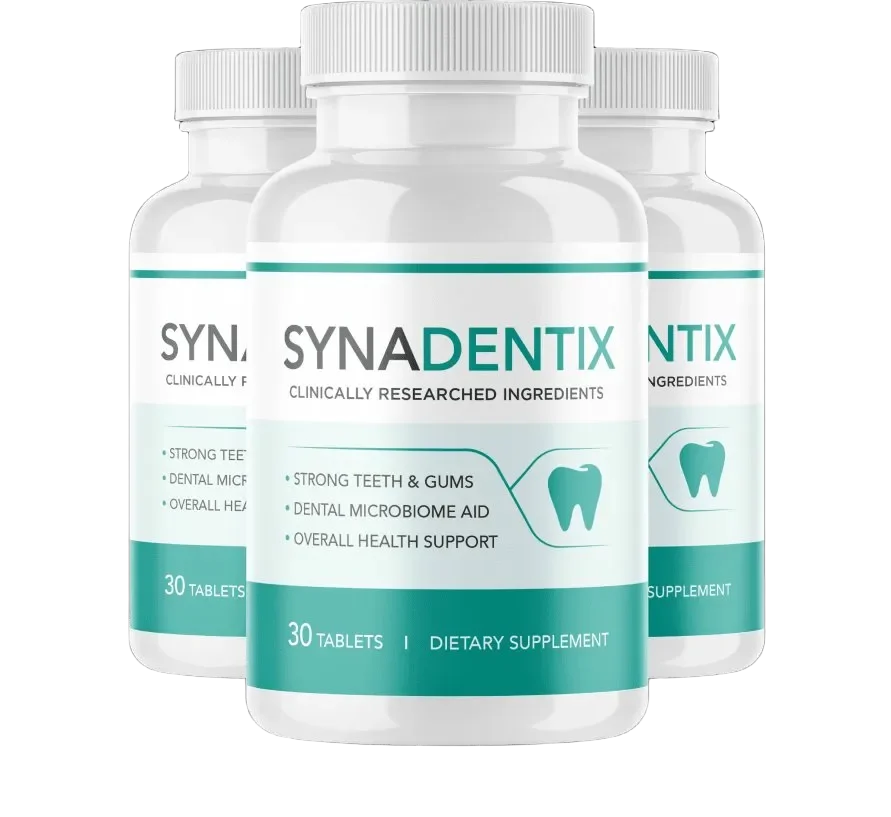
By taking a mindful and informed approach, you can safely leverage the natural power of herbs to support your gum health as part of a comprehensive oral care strategy. Remember that holistic care often involves combining the best of natural and conventional treatments. For those seeking a comprehensive, natural supplement, you might find value in exploring options like Synadentix. You can also learn more about the best supplements for bleeding gums and periodontal disease.
Introducing Synadentix: A Synergistic Approach to Gum Health
While individual herbs offer remarkable benefits, a comprehensive approach often involves a blend of ingredients designed to work synergistically. This is where specialized supplements like Synadentix come into play. Synadentix is formulated to harness the power of several natural compounds, providing a potent and holistic solution for gum health and combating the effects of periodontal disease.
Synadentix is crafted to support your oral health by targeting multiple aspects of gum disease. It aims to reduce inflammation, fight harmful bacteria, and promote the healing and regeneration of gum tissues. By combining carefully selected natural ingredients, Synadentix seeks to enhance the body's natural defense mechanisms and provide comprehensive support for a healthy mouth. It's designed to be an easy-to-integrate part of your daily routine, complementing your regular brushing and flossing.
The developers of Synadentix understand the intricate nature of gum disease and the desire for natural, effective solutions. Their formula is a testament to the belief that nature holds many answers for maintaining optimal health. For information on availability and purchasing, you can visit our guide on where to buy Synadentix.
Key Natural Ingredients in Synadentix for Optimal Gum Health
Synadentix incorporates a blend of natural ingredients, each selected for its scientifically recognized benefits in supporting oral health and combating gum disease. These compounds work together to create a powerful formula aimed at reducing inflammation, fighting bacteria, and promoting tissue repair.
Zinc
Role: Essential mineral vital for immune function and wound healing. It helps maintain the integrity of gum tissues and has antibacterial properties that can inhibit plaque formation and reduce gingivitis.
Milk Thistle
Role: Known for its liver-supporting properties, milk thistle also offers powerful antioxidant and anti-inflammatory benefits that can help reduce systemic inflammation, indirectly benefiting gum health.
Berberine
Role: A potent alkaloid found in several plants like goldenseal and barberry. Berberine is celebrated for its strong antimicrobial action against a wide range of bacteria, fungi, and parasites, making it highly effective against oral pathogens.
Resveratrol
Role: A powerful antioxidant found in red grapes and berries. Resveratrol helps reduce oxidative stress and inflammation in the gums, protecting cells from damage and supporting overall periodontal tissue health.
Alpha Lipoic Acid (ALA)
Role: A strong antioxidant that helps regenerate other antioxidants in the body. ALA reduces inflammation and supports cellular health, playing a role in protecting gum tissues from oxidative damage.
Chromium
Role: An essential trace mineral involved in metabolism. While less direct for gum health, supporting overall metabolic balance can contribute to systemic wellness, which impacts oral health.
Green Tea Extract
Role: Packed with polyphenols and catechins, green tea extract offers significant antioxidant and anti-inflammatory properties. It helps inhibit the growth of harmful oral bacteria and reduces gum inflammation.
Korean Ginseng
Role: An adaptogen known for its immune-modulating and anti-inflammatory effects. It helps the body adapt to stress and enhances its natural ability to fight infections, including those in the oral cavity.
Take Control of Your Oral Health Today with Synadentix
Don't let gum disease compromise your smile and overall well-being any longer. Synadentix offers a powerful, all-natural formula designed to support healthy gums and teeth, targeting the root causes of gum disease with a blend of potent ingredients.
- ✓ Supports healthy gums and reduces inflammation
- ✓ Fights harmful oral bacteria naturally
- ✓ Promotes tissue healing and regeneration
- ✓ Made with clinically researched natural ingredients
- ✓ Easy to integrate into your daily routine



What Our Customers Are Saying About Synadentix
"I've struggled with bleeding gums for years, and nothing seemed to help consistently until I tried Synadentix. After just a few weeks, the bleeding has significantly reduced, and my gums feel so much healthier. It's truly a game-changer!"
"My dentist recommended looking into natural supplements for my mild gingivitis. Synadentix caught my eye, and I'm so glad I gave it a shot. My mouth feels cleaner, my breath is fresher, and my gums aren't nearly as sensitive. Highly recommend!"
"As someone who prefers natural remedies, Synadentix was exactly what I was looking for. The combination of ingredients really works. My gums look healthier, and I haven't had any of the discomfort I used to experience. Plus, the 60-day guarantee made it an easy decision."
Frequently Asked Questions
What is gum disease and why are natural remedies gaining popularity?
+Gum disease, or periodontal disease, is an inflammatory condition affecting the tissues supporting your teeth, primarily caused by bacterial plaque. Natural remedies are gaining popularity due to their potential to offer effective antibacterial and anti-inflammatory benefits with fewer side effects, complementing conventional treatments for a holistic approach to oral health.
How do herbs help combat gum disease?
+Herbs possess a variety of therapeutic properties that can aid in combating gum disease. Many are rich in antimicrobial compounds that directly target harmful oral bacteria, while others offer potent anti-inflammatory effects to reduce swelling and pain. Additionally, some herbs provide antioxidants that support tissue repair and overall gum health.
Are herbal remedies safe for gum disease?
+When used correctly and in appropriate dosages, many herbal remedies are generally considered safe for managing gum disease. However, it's crucial to consult with a dental professional or healthcare provider before starting any new treatment, especially if you have existing medical conditions, are pregnant, or are taking other medications, to avoid potential interactions or adverse effects.
Which herbs are most effective for their antibacterial properties against gum disease?
+Several herbs are renowned for their antibacterial efficacy against oral pathogens. Notable examples include tea tree oil, known for its broad-spectrum antimicrobial action; clove, with its powerful antiseptic and analgesic properties; myrrh, a traditional remedy for gum inflammation; and peppermint, which not only freshens breath but also has antibacterial effects.
Can Synadentix replace my regular dental check-ups and cleanings?
+No, Synadentix is designed to be a complementary natural supplement that supports gum health and helps combat the symptoms of gum disease. It is not a substitute for regular professional dental check-ups, cleanings, and any prescribed treatments from your dentist or periodontist. Always maintain a consistent oral hygiene routine and follow your dental professional's advice.
How long does it take to see results from using natural remedies or Synadentix for gum disease?
+The time frame for seeing results can vary widely depending on the severity of your gum disease, your overall health, consistency of use, and individual response to remedies. While some individuals may notice improvements in symptoms like bleeding or inflammation within a few weeks, significant changes and long-term benefits often require consistent application over several months.
Related Articles