Could Your Gums Be Hiding a Secret Threat to Your Heart?
For decades, the health of our mouth was largely considered separate from the health of the rest of our body. However, groundbreaking research has increasingly revealed a profound and undeniable connection between our oral health, specifically gum disease, and serious systemic conditions, particularly heart disease.
It's not just about fresh breath or a confident smile; it's about a deeper, biological link that could impact your longevity and quality of life. Understanding this intricate relationship is the first step toward safeguarding your overall well-being from the inside out.
The Silent Epidemic in Your Mouth: What is Gum Disease?
Before we delve into the systemic connections, it's crucial to understand what gum disease truly is, its stages, and its pervasive nature.
Gum disease, medically known as periodontal disease, is a common inflammatory condition affecting the tissues surrounding and supporting your teeth. It begins subtly but can progress to severe stages if left untreated, leading to tooth loss and, as we'll explore, potentially impacting your heart.
It typically starts with gingivitis, the milder form. This occurs when plaque, a sticky film of bacteria, accumulates on your teeth and irritates the gum tissue. Symptoms include red, swollen, and easily bleeding gums. At this stage, gingivitis is often reversible with diligent daily brushing, flossing, and regular professional dental cleanings.
However, if gingivitis is ignored, it can advance to periodontitis. In this more severe form, the inner layer of the gum and bone pull away from the teeth and form pockets. These pockets then become infected with bacteria. As the body's immune system fights the bacteria, toxins are released, leading to the breakdown of the bone and connective tissue that hold teeth in place. Eventually, teeth can loosen, fall out, or require extraction.
The prevalence of gum disease is staggering. According to the Centers for Disease Control and Prevention (CDC), nearly half of adults aged 30 and older in the United States have some form of gum disease, with this number rising to over 70% for adults 65 and older. This widespread nature makes its systemic implications a public health concern.
💡 Key Takeaway
Gum disease progresses from mild gingivitis to severe periodontitis, characterized by inflammation, bacterial infection, and eventual destruction of supportive bone and tissue. Its high prevalence makes understanding its systemic links critical.
The Unseen Bridge: How Gum Disease Connects to Heart Disease
The link between gum disease and heart disease is not a mere coincidence but a complex interplay of biological mechanisms that scientists are continually uncovering.
Research has consistently shown that people with periodontitis have a significantly higher risk of developing cardiovascular diseases, including heart attacks, strokes, and peripheral artery disease. While the exact mechanisms are still being fully elucidated, several compelling theories explain this connection:
1. Systemic Inflammation: The Body's Alarm System
Chronic gum disease is a source of persistent inflammation. When your gums are constantly fighting off bacterial infection, this local inflammation doesn't always stay local. Inflammatory mediators and chemicals produced in the gums can enter the bloodstream and travel throughout the body. This systemic inflammation is a known risk factor for cardiovascular disease. It contributes to the hardening and narrowing of arteries (atherosclerosis), which is the primary cause of heart attacks and strokes.
Elevated levels of inflammatory markers like C-reactive protein (CRP), often associated with gum disease, are also predictors of future cardiovascular events. This suggests that the chronic inflammatory burden from your mouth can prime your entire cardiovascular system for trouble.
2. Bacterial Invasion: The Oral-Systemic Pathway
Your mouth is home to hundreds of species of bacteria, some beneficial, some harmful. In cases of advanced gum disease, the protective barrier of the gums is compromised, allowing oral bacteria to enter the bloodstream directly. Once in the bloodstream, these bacteria can travel to various parts of the body, including the heart and blood vessels.
Studies have found oral bacteria, such as Porphyromonas gingivalis, within the atherosclerotic plaques in the arteries of individuals with heart disease. These bacteria might contribute to plaque formation or exacerbate existing plaque, making it more unstable and prone to rupture, which can trigger a heart attack or stroke. This direct bacterial involvement highlights how crucial it is to manage oral bacterial load, as discussed in articles about antibacterial oral health supplements.
3. Shared Risk Factors: A Common Ground for Disease
Beyond direct biological mechanisms, gum disease and heart disease often share common risk factors, further intertwining their fates. These include:
- Smoking: A major risk factor for both severe gum disease and cardiovascular disease. Smoking impairs blood flow to the gums, reduces immune function, and promotes inflammation, making both conditions worse.
- Diabetes: Individuals with diabetes are more susceptible to infections, including gum disease, and healing is often compromised. Uncontrolled diabetes can worsen gum disease, and severe gum disease can, in turn, make blood sugar control more difficult. Diabetes is also a significant risk factor for heart disease.
- Age: Both conditions become more prevalent with increasing age.
- Genetics: A family history of either gum disease or heart disease can increase an individual's risk for both.
- Stress: Chronic stress can suppress the immune system, making individuals more vulnerable to infections and inflammation.
- Poor Nutrition: Diets high in processed foods, sugar, and unhealthy fats contribute to systemic inflammation and can negatively impact both oral health and cardiovascular health.
Understanding these shared risk factors emphasizes the need for a holistic approach to health, recognizing that one part of the body cannot be treated in isolation from the rest.
Recognizing the Red Flags: Symptoms of Gum Disease
Early detection and intervention are paramount in preventing the progression of gum disease and mitigating its systemic risks. Be vigilant for these common signs:
It's easy to overlook the early signs of gum disease, often dismissing minor bleeding or sensitivity as normal. However, these seemingly small issues can be indicators of a growing problem that extends beyond your mouth. Recognizing the warning signs is crucial for timely intervention and protecting your overall health.
- Red, Swollen, or Tender Gums: Healthy gums should be firm and pink. If they appear inflamed, puffy, or discolored (often bright red or purplish), it's a sign of gingivitis.
- Bleeding Gums: Gums that bleed easily when you brush, floss, or even eat hard foods are a primary indicator of gum inflammation. This is one of the most common early symptoms.
- Persistent Bad Breath (Halitosis): While bad breath can have many causes, a persistent, foul odor, especially one that doesn't improve with brushing, can be a sign of bacterial infection in your gums.
- Receding Gums: If your gums appear to be pulling away from your teeth, making your teeth look longer, this indicates gum recession, a sign of advancing periodontitis.
- Sensitive Teeth: Exposed tooth roots due to gum recession can lead to increased tooth sensitivity to hot, cold, or sweet foods and drinks.
- Loose or Shifting Teeth: In advanced periodontitis, the bone and ligaments supporting your teeth are destroyed, causing teeth to become loose or change position.
- Pus Between Teeth and Gums: This is a clear sign of infection and indicates a more severe stage of gum disease.
- Changes in Bite: If you notice a change in the way your teeth fit together when you bite, or if your partial dentures no longer fit well, it could be due to loose teeth or bone loss.
If you experience any of these symptoms, it's imperative to consult your dentist immediately. Waiting can allow the condition to worsen, increasing both your dental and systemic health risks.
💡 Key Takeaway
Don't ignore symptoms like bleeding, swollen gums, or persistent bad breath. These are critical indicators of gum disease that warrant immediate dental attention to prevent progression and protect your heart.
Strategies for Prevention and Management: Protecting Your Smile and Your Heart
Given the profound link between oral and cardiovascular health, a proactive approach to preventing and managing gum disease is essential for overall well-being.
Maintain Impeccable Oral Hygiene
This is the cornerstone of gum disease prevention. Brush your teeth at least twice a day for two minutes each time, using a soft-bristled toothbrush and fluoride toothpaste. Floss daily to remove plaque and food particles from between teeth and under the gumline, areas your toothbrush can't reach. Consider using an antimicrobial mouthwash as an additional step, though it shouldn't replace brushing and flossing.
Regular Dental Check-ups and Cleanings
Professional cleanings are vital for removing tartar (hardened plaque) that cannot be removed by brushing and flossing alone. Your dentist can also identify early signs of gum disease and provide timely treatment. Most adults should visit their dentist at least once a year, or more frequently if they have risk factors for gum disease.
Adopt a Heart-Healthy Diet
A diet rich in fruits, vegetables, whole grains, and lean proteins not only supports heart health but also provides essential nutrients for healthy gums. Foods high in antioxidants can help combat inflammation throughout the body. Limit sugary snacks and drinks, which feed harmful oral bacteria, and avoid highly processed foods that contribute to systemic inflammation.
Quit Smoking and Limit Alcohol
Smoking is one of the most significant risk factors for severe gum disease and heart disease. It impairs the immune system and hinders the healing process. Reducing or eliminating alcohol consumption can also improve oral and overall health. If you smoke, seeking support to quit is one of the best things you can do for both your gums and your heart.
Manage Underlying Health Conditions
If you have conditions like diabetes, ensure it is well-managed. Work closely with your healthcare providers to keep blood sugar levels in check, as this directly impacts your susceptibility to infections, including gum disease, and your overall cardiovascular risk.
Consider Natural Support for Oral Microbiome
Beyond traditional hygiene, certain natural ingredients can support a healthy oral microbiome and reduce inflammation. Research into herbs for gum disease shows promise in complementing daily routines. Supplements designed to support oral health can provide an additional layer of defense against harmful bacteria and promote gum tissue repair, contributing to a stronger oral defense against systemic issues.
Introducing Synadentix: A Supportive Step Towards Oral and Systemic Health
While comprehensive oral hygiene and professional dental care remain paramount, supportive supplements can play a valuable role in enhancing your body's natural defenses against gum disease.
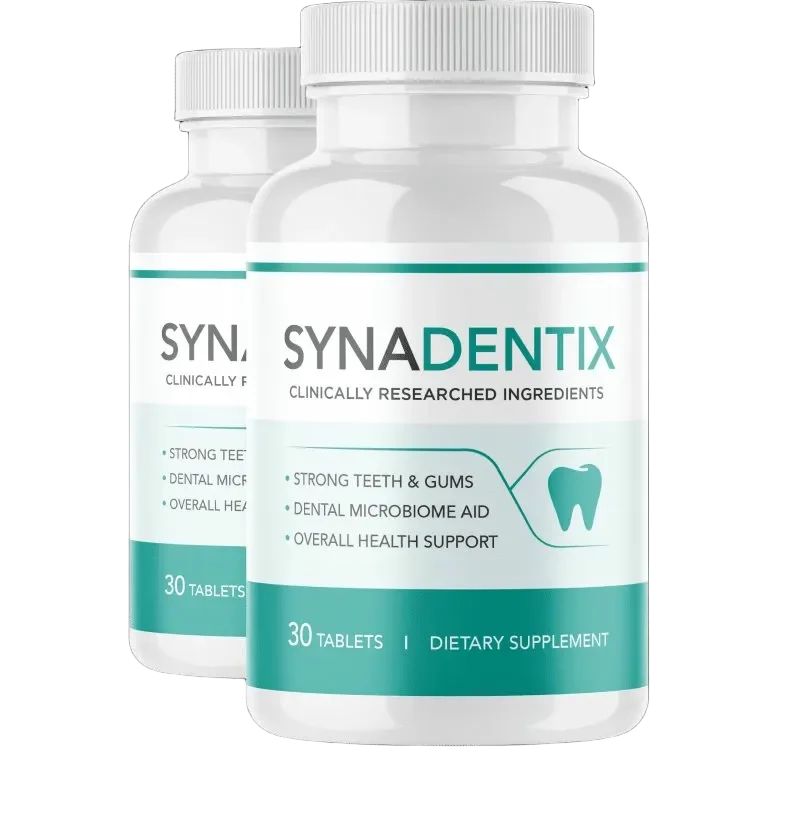
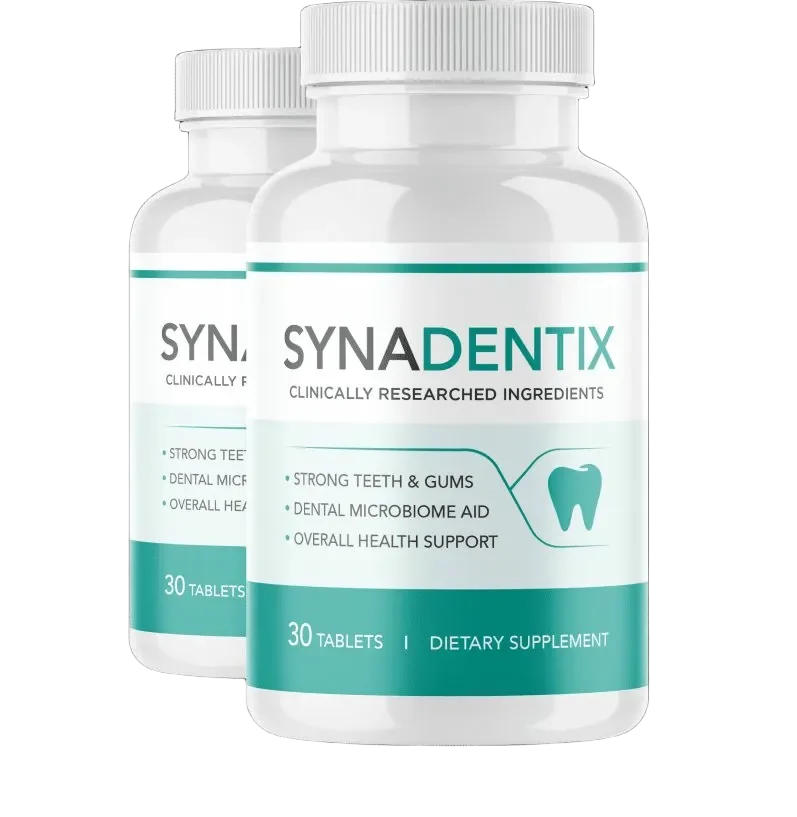
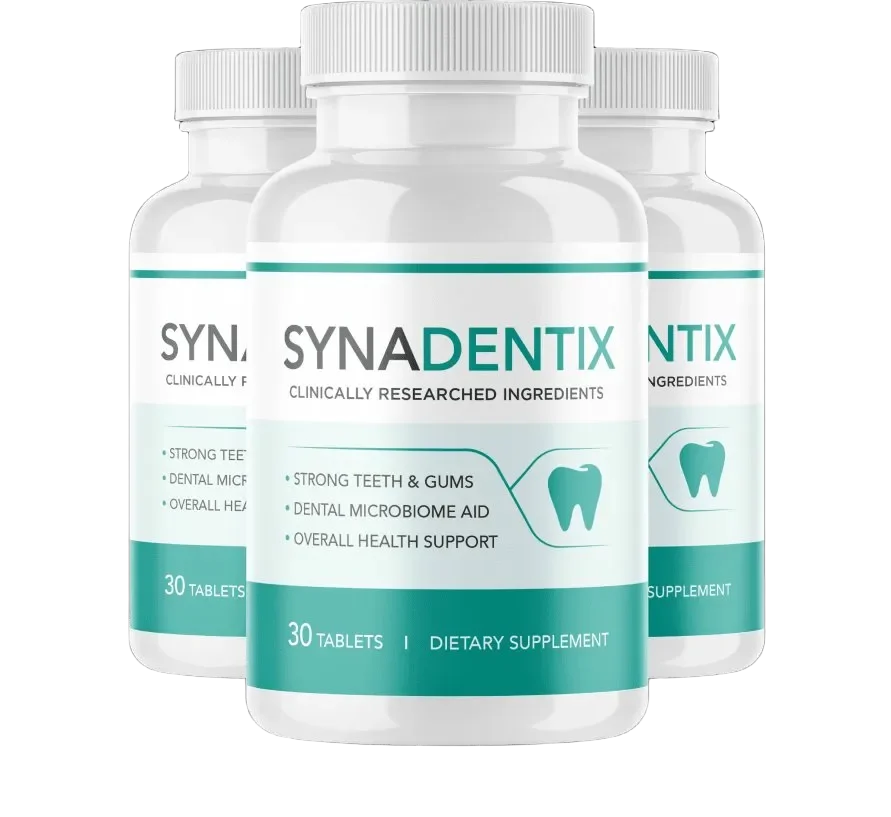
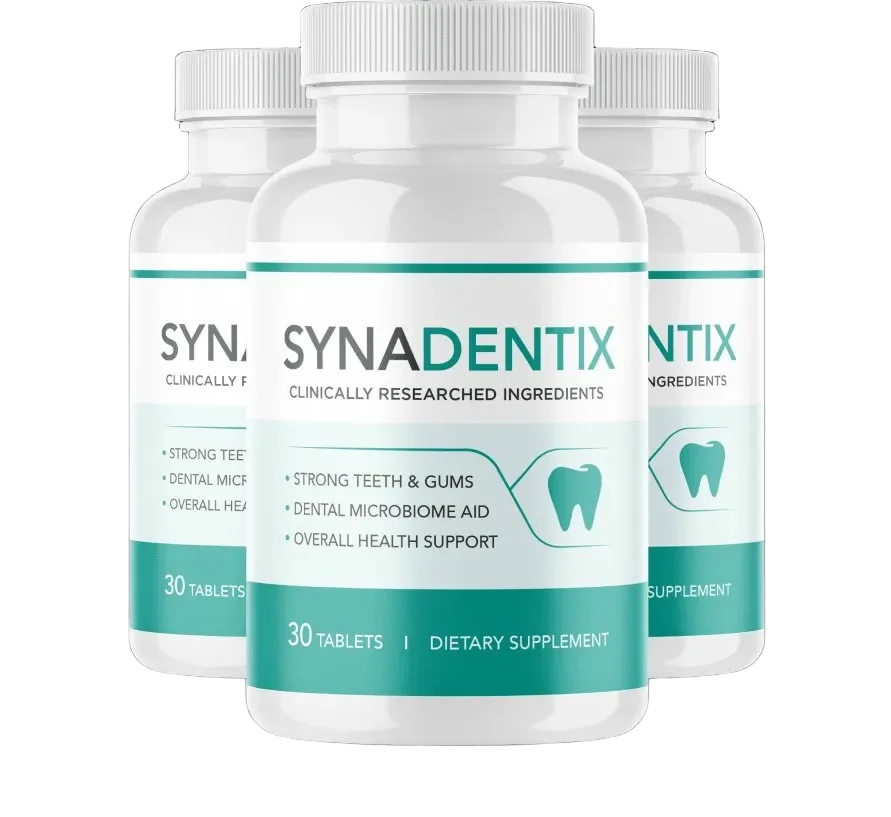
In the quest for optimal oral and systemic health, many are turning to natural solutions that complement traditional approaches. Synadentix is an innovative dietary supplement formulated with a blend of potent, all-natural ingredients specifically chosen for their ability to support gum health, maintain a balanced oral microbiome, and reduce inflammation.
It's designed to work synergistically with your daily brushing and flossing routine, providing an extra layer of protection and promoting the health of your gums from within. By addressing some of the key factors contributing to gum disease, Synadentix helps create an environment where your gums can heal and thrive, potentially reducing the inflammatory burden that can impact your heart.
Synadentix focuses on a multi-faceted approach:
- Targeting Harmful Bacteria: Helps to manage the population of pathogenic bacteria that cause plaque and gum inflammation.
- Reducing Inflammation: Contains ingredients known for their anti-inflammatory properties, helping to soothe irritated gums.
- Supporting Tissue Regeneration: Promotes the natural healing and strengthening of gum tissues.
- Enhancing Oral Microbiome Balance: Works to foster a healthy balance of bacteria in the mouth, crucial for long-term oral health.
By incorporating such a supplement into a holistic oral care regimen, individuals can take a more proactive stance in protecting their gums, and by extension, their cardiovascular health. For more insights into natural ways to improve oral health, consider reading about how to improve oral health naturally.
Key Ingredients in Synadentix for Comprehensive Oral Support
Synadentix harnesses the power of nature, carefully selecting ingredients known for their beneficial effects on oral health and systemic well-being.
Milk Thistle
Role: Known for its liver-supporting properties, Milk Thistle also possesses antioxidant and anti-inflammatory effects that can contribute to overall systemic health, indirectly supporting the body's ability to combat inflammation originating from gum disease.
Berberine
Role: A powerful alkaloid, Berberine is widely studied for its potent antimicrobial and anti-inflammatory properties. It helps to target pathogenic bacteria in the mouth, reduce gum inflammation, and may even aid in blood sugar regulation, a critical factor for both oral and heart health.
Korean Ginseng
Role: An adaptogen, Korean Ginseng supports the body's stress response and immune system. Its anti-inflammatory and antioxidant compounds can help reduce gum inflammation and promote healing, contributing to a stronger defense against oral infections.
Green Tea Extract
Role: Rich in catechins, particularly EGCG, Green Tea Extract is a potent antioxidant and anti-inflammatory agent. It helps inhibit the growth of harmful oral bacteria, reduces plaque formation, and can significantly decrease gum inflammation and bleeding.
Zinc
Role: An essential mineral, Zinc plays a crucial role in immune function and wound healing. It helps strengthen gum tissue, reduce bacterial growth, and is vital for maintaining the integrity of the oral mucosa, making it harder for bacteria to penetrate.
Resveratrol
Role: Found in grapes and berries, Resveratrol is a powerful antioxidant and anti-inflammatory compound. It helps protect gum tissues from oxidative damage, reduces inflammation, and supports cardiovascular health by improving arterial function.
Chromium Picolinate
Role: Primarily known for its role in blood sugar metabolism, Chromium Picolinate can indirectly support oral health by helping to manage blood glucose levels, which is beneficial for individuals with diabetes who are at higher risk for gum disease.
Alpha Lipoic Acid (ALA)
Role: A potent antioxidant, Alpha Lipoic Acid helps protect cells from oxidative stress and inflammation. It can improve gum health by reducing inflammatory responses and promoting cellular repair, beneficial for both oral and systemic well-being.
Take Control of Your Oral & Heart Health with Synadentix
Don't let gum disease compromise your health. Synadentix offers a natural, powerful way to support your gums and contribute to your overall well-being. Formulated with clinically backed ingredients, it's your daily ally in the fight against inflammation and harmful oral bacteria.
- ✓ Supports healthy gums & teeth
- ✓ Reduces inflammation & bleeding
- ✓ Balances oral microbiome
- ✓ All-natural, non-GMO ingredients
- ✓ Made in USA, GMP certified




Hear From Our Satisfied Customers
"I was constantly worried about my bleeding gums and the potential impact on my heart. Since starting Synadentix, my gums feel stronger, and the bleeding has significantly reduced. It's a noticeable improvement!"
"My dentist recommended I take better care of my gums due to my family history of heart issues. Synadentix, combined with diligent brushing, has made a huge difference. My mouth feels cleaner and healthier than ever."
"I've tried many products for my sensitive, inflamed gums. Synadentix is different. The natural ingredients seem to truly calm the irritation, and I feel more confident about my oral health and its connection to my overall well-being."
Beyond the Brush: A Holistic View of Oral and Heart Health
The journey to optimal health is comprehensive, recognizing the interconnectedness of all body systems. Oral health is no exception.
As we've explored, the link between gum disease and heart disease is robust and multifaceted, involving systemic inflammation, bacterial translocation, and shared risk factors. This understanding shifts our perspective from treating isolated symptoms to embracing a holistic approach where the health of your mouth is seen as a critical gateway to the health of your entire body.
Adopting a lifestyle that supports both oral and cardiovascular health involves more than just brushing and flossing. It encompasses a nutrient-rich diet, regular physical activity, stress management, and avoiding harmful habits like smoking. These pillars of health work together to reduce inflammation, strengthen your immune system, and promote a balanced internal environment.
Remember, your dental professional is your primary partner in maintaining oral health. Regular check-ups, professional cleanings, and prompt treatment for any signs of gum disease are non-negotiable. Supplements like Synadentix can serve as a valuable adjunct, offering targeted nutritional support to fortify your gums and enhance your body's natural resilience. By taking a proactive and integrated approach, you empower yourself to protect not just your smile, but the very core of your health – your heart.
Frequently Asked Questions
How exactly does gum disease affect heart health?
+Gum disease, particularly periodontitis, can lead to systemic inflammation. Bacteria from infected gums can enter the bloodstream, triggering an inflammatory response throughout the body, including the arteries. This chronic inflammation and bacterial presence are believed to contribute to the development and progression of atherosclerosis, a major risk factor for heart attacks and strokes. Additionally, some research suggests that oral bacteria might directly impact plaque formation in arteries.
Can treating gum disease improve heart disease risk?
+Yes, studies suggest that effective treatment of gum disease can lead to a reduction in systemic inflammation and may improve certain markers associated with cardiovascular health. While it's not a standalone cure for heart disease, managing gum disease is considered an important component of a comprehensive strategy for reducing overall cardiovascular risk, especially in individuals with existing heart conditions or those at high risk.
What are the warning signs of gum disease I should look for?
+Common warning signs of gum disease include red, swollen, or tender gums; gums that bleed easily during brushing or flossing; persistent bad breath; receding gums; sensitive teeth; loose teeth; and changes in how your teeth fit together when you bite. Early stages (gingivitis) are often reversible with good oral hygiene, but advanced stages (periodontitis) require professional intervention.
Is Synadentix a cure for gum disease or heart disease?
+Synadentix is an all-natural dietary supplement formulated to support overall oral health by targeting bacteria, reducing inflammation, and promoting gum tissue regeneration. While it can be a powerful tool in managing symptoms and supporting the body's natural defenses against gum disease, it is not a cure for established gum disease or heart disease. It should be used as part of a comprehensive oral care routine, alongside professional dental treatment and a healthy lifestyle. Always consult with your dentist or doctor for specific medical advice.
How long does it take to see results from improving oral hygiene?
+The timeline for seeing results can vary significantly depending on the severity of the gum disease and the consistency of your efforts. For mild gingivitis, improvements like reduced bleeding and inflammation can often be noticed within a few days to a couple of weeks of diligent brushing, flossing, and using supportive supplements like Synadentix. More advanced periodontitis may take several months of consistent care and professional treatment to show significant improvement and stabilization.
Are there any lifestyle changes that can support both oral and heart health?
+Absolutely. Many lifestyle factors benefit both your oral and cardiovascular health. These include maintaining a balanced diet rich in fruits, vegetables, and whole grains; reducing sugar intake; quitting smoking; limiting alcohol consumption; managing stress; and engaging in regular physical activity. These habits help reduce systemic inflammation, improve blood circulation, and support a robust immune system, all of which are crucial for preventing both gum disease and heart disease.
Related Articles