Are Your Gums Bleeding? It Could Be More Than Just Gingivitis.
Gum disease, also known as periodontal disease, affects millions of adults worldwide, often progressing silently without immediate pain. While it's a common condition, many people don't fully understand its different stages or the potential long-term consequences for their oral and overall health.
Understanding the distinction between its two primary forms – gingivitis and periodontitis – is not just academic; it's vital for effective prevention and treatment. The key to preserving your smile and avoiding more severe health issues lies in early detection and intervention, recognizing the subtle signs before they escalate into irreversible damage.
Introduction to Gum Disease: A Silent Threat
Gum disease, medically known as periodontal disease, is a pervasive chronic inflammatory condition that impacts the soft tissues and bone supporting your teeth. It typically begins as a mild irritation and, if left unaddressed, can advance to severe complications, including tooth loss.
Many people mistakenly believe that occasional bleeding gums are normal, but this is a critical early warning sign. While a significant portion of the population will experience some form of gum disease in their lifetime, understanding its progression is crucial for effective management. This article aims to demystify the two primary stages: gingivitis and periodontitis, explaining their unique characteristics, symptoms, causes, and treatment approaches. By recognizing these differences, you can take proactive steps to safeguard your oral health and prevent the cascade of problems that advanced gum disease can bring.
Gingivitis: The Reversible First Stage of Gum Disease
Gingivitis represents the initial and mildest form of gum disease. It is characterized by inflammation of the gums (gingiva) but, crucially, does not involve any loss of bone or connective tissue that holds the teeth in place. This makes it a highly treatable and reversible condition if caught early.
What Causes Gingivitis?
The primary culprit behind gingivitis is the accumulation of plaque—a sticky, colorless film of bacteria that constantly forms on your teeth. When plaque is not removed through regular brushing and flossing, the bacteria produce toxins that irritate the gum tissue, leading to inflammation. Over time, plaque can harden into tartar (calculus), which is even more irritating and can only be removed by a dental professional.
Common Symptoms of Gingivitis:
- Red or purplish gums: Healthy gums are typically pink and firm. Gingivitis causes them to become noticeably redder or even purplish due to increased blood flow from inflammation.
- Swollen or puffy gums: The inflammation can make your gums look enlarged or puffy, sometimes appearing to bulge between your teeth.
- Tender gums: Gums may feel sore to the touch.
- Bleeding gums: This is one of the most common and often overlooked signs. Gums might bleed easily when you brush, floss, or even eat hard foods. Many people dismiss this as normal, but it's a clear indicator of inflammation. If you're experiencing this, you might find our article on how to stop bleeding gums naturally helpful.
- Mild gum recession: In some cases, slight recession might occur, making teeth appear a bit longer.
- Bad breath (halitosis): The bacteria causing gingivitis can also contribute to persistent bad breath.
It's important to note that gingivitis often causes little to no pain, which is why many individuals may not realize they have it. This lack of discomfort can lead to delayed treatment, allowing the condition to progress.
Reversibility:
The good news is that gingivitis is entirely reversible. With consistent and proper oral hygiene, including daily brushing and flossing, and regular professional dental cleanings, the inflammation can subside, and your gums can return to a healthy state. This makes early detection and intervention paramount.
Periodontitis: The Advanced and Irreversible Stage
If gingivitis is left untreated, the inflammation can spread from the gums to the underlying bone and supporting structures of the teeth. This progression marks the onset of periodontitis, a much more severe and irreversible form of gum disease.
What Happens in Periodontitis?
In periodontitis, the bacterial infection and inflammation cause the gums to pull away from the teeth, forming deep spaces known as periodontal pockets. These pockets become breeding grounds for more bacteria, plaque, and tartar, which are difficult to clean with regular brushing and flossing. As the infection deepens, the body's immune response, along with bacterial toxins, begins to break down the bone and connective tissue that anchor the teeth. This is the critical difference: bone loss is the hallmark of periodontitis.
Key Symptoms of Periodontitis:
- Persistent bad breath or a bad taste in your mouth: More pronounced than with gingivitis, due to deeper infection.
- Red, swollen, or tender gums: Similar to gingivitis, but often more severe.
- Bleeding gums: Bleeding may be more frequent or occur with less provocation.
- Receding gums: The gums pull away from the teeth, making them appear longer. This can expose sensitive tooth roots.
- Deep pockets between teeth and gums: Your dentist will measure these during an exam.
- Pus between your teeth and gums: A clear sign of active infection.
- Loose or shifting teeth: As the bone supporting the teeth is destroyed, teeth can become unstable and even move out of alignment.
- Changes in your bite: Your teeth may not fit together properly when you bite.
- Pain when chewing: Due to increased sensitivity or loose teeth.
- Changes in the fit of partial dentures: If you wear them, their fit may be affected.
Unlike gingivitis, the damage caused by periodontitis, particularly the bone loss, is generally irreversible. While treatment can stop the progression of the disease and prevent further damage, the lost bone and tissue cannot naturally regenerate to their original state. This underscores the importance of addressing gum issues at the gingivitis stage.
Types of Periodontitis:
Periodontitis isn't a single condition but encompasses several forms, each with unique characteristics:
- Chronic Periodontitis: The most common form, characterized by slow progression and often seen in adults. It involves pocket formation and gradual bone loss.
- Aggressive Periodontitis: A rapid form of periodontitis that can affect otherwise healthy individuals, often with a genetic predisposition. It involves rapid attachment loss and bone destruction.
- Necrotizing Periodontal Diseases: These include necrotizing ulcerative gingivitis (NUG) and necrotizing ulcerative periodontitis (NUP), characterized by the death of gum tissue, bone, and periodontal ligament. They are often associated with systemic conditions like immunosuppression.
- Periodontitis as a Manifestation of Systemic Diseases: This occurs when periodontal disease is linked to an underlying systemic condition, such as diabetes, heart disease, or certain blood disorders, which can exacerbate or initiate the gum disease.
💡 Key Takeaway
Gingivitis is the early, reversible stage of gum inflammation without bone loss. Periodontitis is the advanced, irreversible stage involving bone destruction and potential tooth loss. Early detection of gingivitis is crucial for preventing progression to periodontitis.
Gingivitis vs. Periodontitis: A Side-by-Side Comparison
To truly grasp the implications of gum disease, it's essential to understand the direct contrasts between its two main forms. While they share common origins, their characteristics and outcomes are profoundly different.
Nature of Inflammation
Gingivitis: Inflammation is confined to the soft gum tissue, primarily affecting the surface layers. It's a localized response to bacterial plaque.
Periodontitis: Inflammation extends beyond the gums, affecting the deeper supporting structures of the teeth, including the periodontal ligament and alveolar bone. It's a destructive process.
Bone and Tissue Loss
Gingivitis: No loss of bone or connective tissue. The attachment of the gum to the tooth root remains intact.
Periodontitis: Characterized by irreversible loss of alveolar bone and connective tissue. This leads to the formation of periodontal pockets and eventually tooth mobility.
Reversibility
Gingivitis: Fully reversible with proper oral hygiene and professional cleaning. Gums can return to a completely healthy state.
Periodontitis: Irreversible damage to bone and supporting tissues. While the disease can be managed and halted, the lost structures cannot be fully regained naturally.
Symptoms and Severity
Gingivitis: Mild symptoms like red, swollen, bleeding gums. Often painless and easily overlooked.
Periodontitis: More severe symptoms including deep pockets, significant gum recession, pus, persistent bad breath, loose teeth, changes in bite, and potential pain.
Treatment Goals
Gingivitis: Eliminate inflammation and restore gum health through non-invasive methods like scaling and improved home care.
Periodontitis: Stop disease progression, prevent further bone loss, reduce pocket depth, and stabilize teeth. May require more invasive treatments.
Long-Term Outlook
Gingivitis: Excellent prognosis if treated promptly, no lasting damage.
Periodontitis: Requires ongoing management to prevent recurrence. If untreated, leads to tooth loss and can impact systemic health.
Risk Factors for Developing Gum Disease
While plaque accumulation is the direct cause of gum disease, several factors can increase your susceptibility to both gingivitis and periodontitis, or accelerate their progression.
Understanding these risk factors allows for more targeted prevention and management strategies:
- Poor Oral Hygiene: Inadequate brushing and flossing allow plaque to build up, leading to inflammation and infection. This is the most significant preventable risk factor.
- Smoking and Tobacco Use: Smoking is one of the strongest risk factors for periodontal disease. It weakens the immune system, making it harder to fight off gum infections, and also impairs healing.
- Genetics: Some individuals are genetically predisposed to gum disease, making them more likely to develop it even with good oral hygiene.
- Diabetes: People with uncontrolled diabetes are at a higher risk for developing severe gum disease because high blood sugar levels can weaken the immune system and impair healing.
- Hormonal Changes: Hormonal fluctuations during pregnancy, puberty, menopause, or menstruation can make gums more sensitive and prone to inflammation.
- Certain Medications: Some drugs, such as antidepressants, antihistamines, decongestants, and diuretics, can reduce saliva flow (dry mouth), which protects teeth and gums. Other medications can cause gum overgrowth.
- Compromised Immunity: Conditions like HIV/AIDS or treatments like chemotherapy can weaken the immune system, making individuals more vulnerable to gum infections.
- Stress: Stress can weaken the body's immune response, making it harder to fight off infection, including gum disease.
- Poor Nutrition: A diet lacking essential nutrients, especially Vitamin C, can compromise the immune system and hinder tissue repair, making gums more susceptible to disease.
- Obesity: Research suggests a link between obesity and an increased risk of periodontal disease, possibly due to systemic inflammation.
Addressing these risk factors, in conjunction with excellent oral hygiene, is critical for preventing the onset and progression of gum disease.
The Benefits of Early Intervention and Prevention
Proactively addressing gum health issues, especially at the gingivitis stage, offers a multitude of benefits that extend beyond just your mouth. Understanding these advantages can motivate consistent oral care.
Saves Your Natural Teeth
Early intervention prevents the progression of gum disease from gingivitis to periodontitis, which is the leading cause of tooth loss in adults. By maintaining healthy gums and supporting bone, you can preserve your natural smile for a lifetime, avoiding costly and often uncomfortable tooth replacement procedures.
Prevents Irreversible Damage
Gingivitis is reversible, meaning the damage to your gums can be fully healed. However, once periodontitis sets in, the bone and tissue loss around your teeth is permanent. Acting early ensures you stop the disease before this irreversible destruction occurs, maintaining the structural integrity of your oral cavity.
Protects Your Overall Health
Oral health is intrinsically linked to systemic health. Untreated gum disease has been associated with an increased risk of heart disease, stroke, diabetes complications, respiratory issues, and other chronic conditions. By keeping your gums healthy, you reduce systemic inflammation and protect your entire body.
Reduces Pain and Discomfort
While gingivitis is often painless, periodontitis can lead to significant discomfort, sensitivity, and pain when chewing. Preventing its onset means avoiding these painful symptoms and enjoying your meals and daily life without oral discomfort.
Maintains Fresh Breath and Confidence
Persistent bad breath (halitosis) is a common symptom of gum disease, caused by the bacteria thriving in inflamed pockets. Effective treatment and prevention eliminate these bacteria, leading to fresher breath and a boost in self-confidence in social and professional interactions.
Saves Time and Money in the Long Run
Treating advanced periodontitis can involve extensive and expensive procedures, including deep cleanings, gum surgery, and even dental implants or bridges. Simple preventative measures and early treatment for gingivitis are far less costly and time-consuming than addressing severe, irreversible damage.
Diagnosis and Professional Screening for Gum Disease
Accurate diagnosis is the first step toward effective treatment of gum disease. Regular dental check-ups are crucial for detecting both gingivitis and periodontitis, often before you even notice significant symptoms.
During a comprehensive dental examination, your dentist or dental hygienist will perform several key assessments:
- Visual Examination: They will look for signs of inflammation, such as red, swollen, or shiny gums, and check for any signs of gum recession.
- Periodontal Probing: This is a critical diagnostic tool. A small, ruler-like probe is gently inserted into the sulcus (the space between the tooth and gum). Healthy gums typically have pocket depths of 1-3 millimeters. Depths greater than 3mm can indicate the presence of periodontal pockets and gum disease. Bleeding upon probing is also a strong indicator of inflammation.
- Dental X-rays: X-rays are essential for detecting bone loss, which is the definitive sign of periodontitis. They can reveal the extent of bone destruction around the teeth and help classify the severity of the disease.
- Review of Medical History: Your dentist will discuss your overall health, medications, and lifestyle habits (like smoking or diabetes) as these can significantly impact gum health.
Early diagnosis of gingivitis allows for simple, non-invasive treatment and complete reversal. For periodontitis, early diagnosis can prevent further bone loss and save teeth that might otherwise be lost. Don't wait for pain to visit your dentist; regular screenings are your best defense.
Treatment Approaches for Gingivitis
Since gingivitis is a reversible condition, its treatment focuses on eliminating the cause of inflammation—bacterial plaque and tartar—and establishing excellent oral hygiene habits.
The primary treatments include:
- Professional Dental Cleaning (Scaling): A dental hygienist will meticulously remove plaque and tartar from above and below the gum line using specialized instruments. This process, known as scaling, is fundamental to allowing the gums to heal.
- Improved Home Oral Hygiene: This is arguably the most important component of gingivitis treatment and prevention. You will be advised on proper brushing techniques (at least twice a day for two minutes with a soft-bristled brush), daily flossing, and potentially the use of interdental brushes or water flossers to clean between teeth.
- Antiseptic Mouthwash: Your dentist might recommend a therapeutic mouthwash containing ingredients like chlorhexidine or essential oils to help control bacterial plaque and reduce gum inflammation. These are typically used for a limited period.
With consistent adherence to these measures, the symptoms of gingivitis typically resolve within a few weeks, and your gums can return to a healthy, firm, pink state. Regular follow-up appointments are often recommended to monitor progress and reinforce good habits.
Treatment Approaches for Periodontitis
Treating periodontitis is more complex than treating gingivitis due to the irreversible damage to bone and supporting tissues. The goal is to stop the disease progression, reduce pocket depths, eliminate infection, and prevent further bone loss.
Treatment options for periodontitis can range from non-surgical therapies to surgical interventions:
Non-Surgical Treatments:
- Scaling and Root Planing (Deep Cleaning): This is the most common initial treatment for periodontitis. It involves a thorough cleaning below the gum line to remove plaque and tartar from the root surfaces (scaling) and then smoothing the root surfaces (root planing) to remove bacterial toxins and help the gums reattach to the teeth. This is often performed under local anesthesia.
- Antibiotics: Depending on the severity of the infection, your dentist might prescribe oral antibiotics or apply topical antibiotic gels or chips directly into the periodontal pockets to control bacterial growth.
- Antiseptic Mouthwashes: Similar to gingivitis, prescription-strength antiseptic mouthwashes can be used to help manage bacterial load.
Surgical Treatments (for advanced cases):
- Flap Surgery (Pocket Reduction Surgery): During this procedure, the gums are lifted back to allow for thorough cleaning of root surfaces and removal of diseased tissue. The gums are then sutured back into place, often resulting in shallower pockets that are easier to keep clean.
- Bone Grafts: If bone loss is significant, bone grafts (using small fragments of your own bone, synthetic bone, or donated bone) can be used to regenerate lost bone around the tooth. This helps to stabilize the tooth.
- Soft Tissue Grafts: When gum recession is severe, soft tissue grafts (using tissue from the roof of your mouth or another donor source) can be used to cover exposed roots, reduce sensitivity, and improve gum aesthetics.
- Guided Tissue Regeneration: This procedure uses a small piece of mesh-like material placed between the bone and gum tissue. This barrier prevents the gum tissue from growing into the area where the bone should be, allowing bone and connective tissue to regenerate more effectively.
- Tissue-Stimulating Proteins: A gel containing proteins found in developing tooth enamel can be applied to a diseased tooth root to stimulate the growth of healthy bone and tissue.
After treatment, ongoing maintenance is critical. This includes more frequent dental check-ups and cleanings (periodontal maintenance) and meticulous home care to prevent recurrence. Your dentist will work with you to develop a personalized treatment plan.
The Role of Lifestyle and Nutrition in Gum Health
While brushing, flossing, and professional cleanings are cornerstones of gum disease prevention and treatment, your daily lifestyle choices and nutritional intake play a significant supporting role.
A holistic approach to oral health considers these broader aspects:
- Balanced Diet: Eating a diet rich in vitamins, minerals, and antioxidants supports overall immune function and helps your body fight off infections, including those in your gums. Foods high in Vitamin C (citrus fruits, bell peppers), Vitamin D (fatty fish, fortified dairy), and calcium (dairy, leafy greens) are particularly beneficial for bone and tissue health. Limiting sugary and processed foods reduces the fuel available for plaque-forming bacteria.
- Hydration: Drinking plenty of water helps wash away food particles and bacteria, stimulates saliva production, and keeps your mouth moist. Saliva is a natural defense mechanism, neutralizing acids and containing enzymes that fight bacteria.
- Stress Management: Chronic stress can weaken the immune system, making you more vulnerable to infections, including gum disease. Practices like meditation, yoga, regular exercise, and adequate sleep can help manage stress levels and support immune health.
- Avoid Tobacco and Excessive Alcohol: As mentioned, smoking is a major risk factor. Quitting smoking is one of the most impactful steps you can take for your gum health. Excessive alcohol consumption can also dry out the mouth and irritate gum tissues.
- Manage Systemic Conditions: If you have conditions like diabetes, ensuring they are well-managed is crucial for controlling their impact on your oral health. Work closely with your healthcare providers to maintain optimal health.
By integrating these healthy lifestyle and nutritional habits, you create an environment that is less hospitable to gum disease and more conducive to healing and maintaining robust oral health.
Understanding Key Ingredients for Gum Health Support
Beyond conventional dental care, many individuals seek natural ways to support their gum health and oral hygiene. Certain natural ingredients have been studied for their potential benefits in reducing inflammation, fighting bacteria, and promoting tissue health.
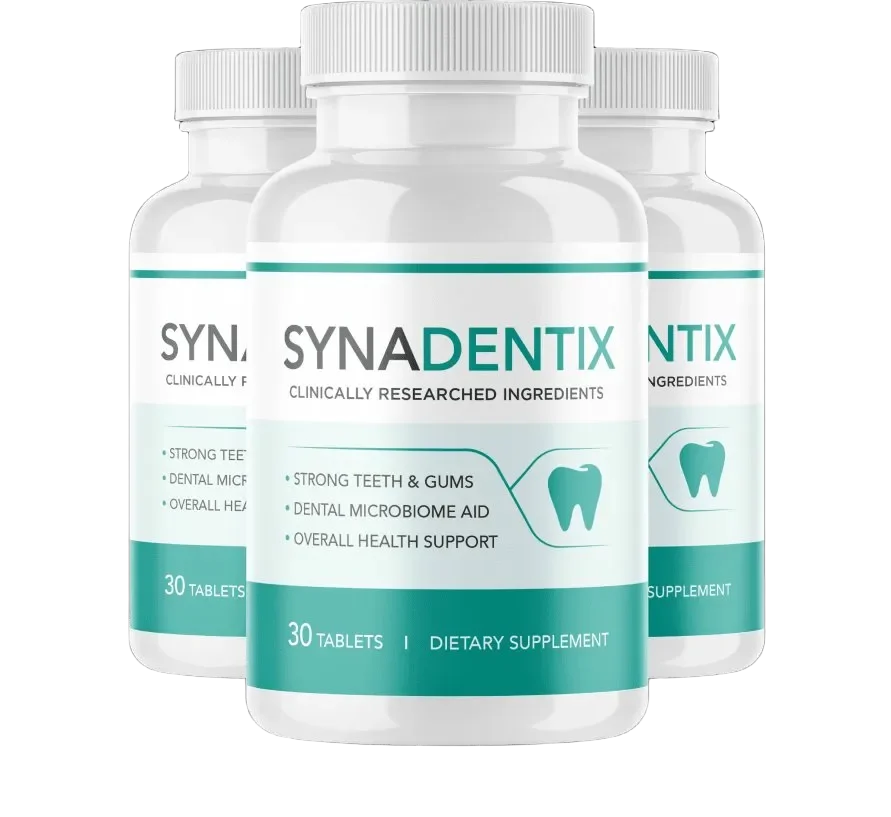
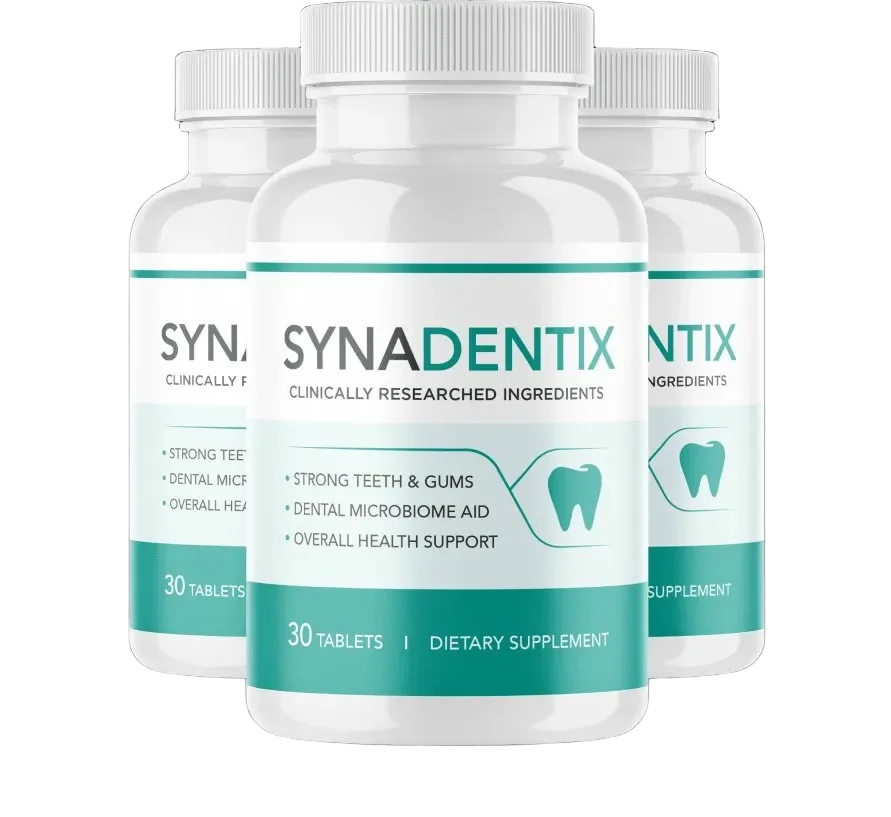
Synadentix, for example, incorporates a blend of carefully selected ingredients known for their supportive roles in maintaining a healthy oral environment. While not a cure for advanced gum disease, these ingredients can complement your daily routine. Here are some commonly recognized ingredients and their potential benefits:
Peppermint Oil
Role: Known for its strong antimicrobial and anti-inflammatory properties. It helps to combat bacteria in the mouth that contribute to plaque formation and bad breath, while also providing a refreshing sensation.
Licorice Root Extract
Role: Contains compounds with significant antibacterial and anti-inflammatory effects. It can help inhibit the growth of bacteria associated with gum disease and soothe irritated gum tissues.
Zinc
Role: An essential mineral that plays a vital role in immune function and wound healing. Zinc can help reduce plaque and tartar buildup, and support the repair of oral tissues, making it a valuable component in gum health.
Green Tea Extract
Role: Rich in antioxidants (catechins) that possess potent anti-inflammatory and antimicrobial properties. It can help reduce gum inflammation, fight harmful oral bacteria, and even inhibit bone resorption.
Cranberry Extract
Role: Contains proanthocyanidins (PACs) that prevent bacteria from adhering to teeth and gums. This "anti-adhesion" property can be highly effective in reducing plaque formation and preventing the initial stages of gum disease.
Hyaluronic Acid
Role: A naturally occurring substance in the body, crucial for tissue hydration and regeneration. In oral health, it supports gum tissue healing, reduces inflammation, and can aid in the repair of damaged periodontal tissues.
Coenzyme Q10 (CoQ10)
Role: A powerful antioxidant that supports cellular energy production. Studies suggest CoQ10 can help reduce gum inflammation, promote healing, and protect gum tissues from oxidative stress, particularly beneficial for individuals with gum disease.
Vitamin C
Role: Crucial for collagen production, which is a major component of gum tissue and bone. It's a potent antioxidant that supports immune function and helps maintain the integrity of blood vessels in the gums, reducing bleeding and promoting healing.
These ingredients, when combined in a synergistic formula, aim to provide comprehensive support for gum health. For more insights on how supplements can help, you might want to read our article on the best supplements for bleeding gums and periodontal disease.
Take Control of Your Oral Health Today with Synadentix
Synadentix is formulated with a blend of natural ingredients designed to support gum health, reduce inflammation, and promote a balanced oral microbiome. It's a gentle, yet powerful approach to complement your daily dental care. Empower yourself with a solution that works in harmony with your body's natural processes.
- Supports healthy gums and teeth
- Helps reduce inflammation
- Promotes a balanced oral microbiome
- Formulated with natural ingredients
- Made in an FDA-registered facility




What People Are Saying About Supporting Their Gum Health
"My gums used to bleed constantly, and I was so worried. After incorporating a natural approach, I noticed a significant improvement. The bleeding stopped, and my mouth feels much healthier."
"I've struggled with bad breath and sensitive gums for years. Finding a comprehensive solution that includes natural ingredients has been a game-changer. My dentist even commented on the improvement!"
"I was skeptical at first, but the difference in my gum health is undeniable. Less inflammation, no more discomfort, and my smile feels brighter. Highly recommend exploring natural alternatives like Synadentix."
When to See a Dentist: Don't Delay Care
While this article provides comprehensive information on gingivitis and periodontitis, it's crucial to understand that self-diagnosis and self-treatment are insufficient for managing gum disease. Professional dental care is indispensable.
You should schedule an appointment with your dentist promptly if you experience any of the following symptoms:
- Persistent bleeding gums during brushing, flossing, or eating.
- Red, swollen, or tender gums that don't improve with regular brushing and flossing.
- Gums that are pulling away from your teeth (receding gums).
- Persistent bad breath or a bad taste in your mouth.
- Pus between your teeth and gums.
- Loose or shifting teeth.
- Changes in the way your teeth fit together when you bite.
- Changes in the fit of partial dentures.
- Any pain or discomfort in your teeth or gums.
Even if you don't have obvious symptoms, regular dental check-ups (typically every six months) are vital for early detection and prevention. Your dentist can identify subtle signs of gum disease that you might miss and provide professional cleanings to remove plaque and tartar buildup that home care cannot. Early intervention can prevent gingivitis from progressing to irreversible periodontitis, saving your teeth and protecting your overall health. For an in-depth look at products that can help, consider reading a Synadentix review 2026.
Frequently Asked Questions
What's the main difference between gingivitis and periodontitis?
+Gingivitis is an early, reversible form of gum disease characterized by inflammation of the gums without bone loss. Periodontitis is a more advanced, irreversible stage where the infection has spread below the gum line, leading to bone and tissue destruction around the teeth.
Can gingivitis be completely cured?
+Yes, gingivitis is fully reversible with good oral hygiene practices, including regular brushing, flossing, and professional dental cleanings. Early intervention is key to prevent its progression to periodontitis.
What are the early signs of gum disease I should watch for?
+Early signs often include red, swollen, or tender gums, and bleeding when brushing or flossing. You might also notice persistent bad breath. These symptoms often indicate gingivitis.
How does periodontitis affect my overall health?
+Periodontitis has been linked to various systemic health issues, including heart disease, stroke, diabetes complications, and respiratory problems. The inflammation and bacteria in the mouth can affect other parts of the body.
Is Synadentix a treatment for periodontitis?
+Synadentix is a dietary supplement designed to support overall gum health and a balanced oral microbiome. While it can complement good oral hygiene and professional dental care, it is not a cure for periodontitis. Always consult your dentist for diagnosis and treatment of gum disease.
How often should I visit the dentist to prevent gum disease?
+It is generally recommended to visit your dentist for check-ups and professional cleanings at least once every six months. However, if you have signs of gum disease or are at higher risk, your dentist may advise more frequent visits.
Related Articles