Is your bad breath a silent warning sign of deeper gum problems?
Bad breath, medically known as halitosis, is an embarrassing and often isolating condition that affects millions worldwide. While many attribute it to strong foods or morning breath, its persistence can often point to more serious underlying oral health issues. One of the most common, yet frequently overlooked, culprits is gum disease.
The connection between a foul odor emanating from your mouth and the health of your gums is more profound than you might imagine. It's a critical relationship where one condition can exacerbate the other, creating a vicious cycle that compromises your overall oral well-being. Understanding this intricate link between bad breath and gum disease is the first step towards effective treatment and prevention.
The Oral Microbiome: Where it All Begins
Our mouths are home to a complex ecosystem of bacteria, both beneficial and harmful. The balance of this oral microbiome plays a crucial role in determining our oral health, influencing everything from fresh breath to the integrity of our gums.
At the core of the bad breath and gum disease connection lies the activity of certain types of bacteria. Specifically, anaerobic bacteria, which thrive in oxygen-deprived environments, are the primary culprits. These bacteria are naturally present in our mouths, but when conditions become favorable for their overgrowth, they can wreak havoc. They feed on food particles, dead cells, and other debris, breaking them down and releasing foul-smelling gases known as volatile sulfur compounds (VSCs). These VSCs, including hydrogen sulfide and methyl mercaptan, are what give bad breath its characteristic unpleasant odor.
When oral hygiene falters, plaque—a sticky film of bacteria—begins to accumulate on teeth and along the gumline. If not regularly removed through brushing and flossing, this plaque hardens into tartar. Both plaque and tartar provide ideal breeding grounds for these odor-producing anaerobic bacteria. More importantly, their presence also initiates the inflammatory response that defines gum disease, creating a deeper, more entrenched problem.
💡 Key Takeaway
Persistent bad breath is often a direct result of an imbalance in the oral microbiome, specifically the overgrowth of anaerobic bacteria that produce foul-smelling volatile sulfur compounds. This bacterial overgrowth is also a primary driver of gum disease, highlighting their deep interconnectedness.
Gum Disease Explained: From Gingivitis to Periodontitis
To fully grasp the link with bad breath, it's essential to understand gum disease itself. It's not a single condition but a progressive spectrum of inflammatory disorders affecting the tissues surrounding your teeth.
Gingivitis: The Early Stage
Gingivitis is the mildest form of gum disease. It's caused by the accumulation of plaque and tartar around the gumline, leading to inflammation of the gums. Symptoms typically include red, swollen, and easily bleeding gums during brushing or flossing. Crucially, gingivitis is often reversible with proper oral hygiene and professional cleaning. At this stage, bad breath might be noticeable but often intermittent, directly related to bacterial activity on the gum surface.
Periodontitis: The Advanced Stage
If gingivitis is left untreated, it can progress to periodontitis. This is a more severe form where the inflammation spreads from the gums to the deeper supporting structures of the teeth. The body's immune response, combined with bacterial toxins, starts to break down the bone and connective tissue that hold teeth in place. Pockets form between the teeth and gums, which become perfect havens for anaerobic bacteria. These deep, oxygen-deprived pockets allow bacteria to proliferate unchecked, producing a constant stream of VSCs and leading to persistent, severe bad breath.
Aggressive vs. Chronic Periodontitis
Periodontitis can manifest in various forms, including chronic periodontitis (the most common, slowly progressing) and aggressive periodontitis (rapid destruction, often in younger individuals). Both forms are characterized by inflammation, bone loss, and the presence of specific bacteria, all contributing to compromised gum health and, invariably, halitosis. Early detection and intervention are vital to prevent irreversible damage.
For more detailed information on the origins of gum issues, you might find our article on The Hidden Causes of Gum Disease particularly insightful.
The Vicious Cycle: How Bad Breath and Gum Disease Feed Each Other
It's not just a simple cause-and-effect; bad breath and gum disease are often locked in a self-perpetuating cycle that makes both conditions harder to manage.
When gum disease takes hold, it creates an ideal environment for the odor-causing bacteria to thrive. The inflamed, bleeding gums and the deepening pockets provide shelter and a constant supply of nutrients (from blood and tissue breakdown) for these anaerobic microorganisms. As they multiply, they produce more VSCs, intensifying the bad breath. This persistent halitosis can then become a source of significant distress, often masking the underlying gum problem until it reaches a more advanced stage.
Conversely, the chronic bacterial presence that causes bad breath, especially if not adequately addressed through diligent oral hygiene, directly contributes to the progression of gum disease. The bacteria irritate the gums, leading to more inflammation, deeper pockets, and further tissue destruction. It's a feedback loop: poor oral hygiene leads to bacterial overgrowth, which causes bad breath and gum inflammation. This inflammation then creates more favorable conditions for the bacteria, worsening both bad breath and gum disease. Breaking this cycle requires a multi-faceted approach that addresses both the symptoms and the root causes.
Beyond the Odor: Other Warning Signs of Gum Disease
While bad breath is a critical indicator, it's important to recognize other symptoms that signal gum disease may be present, allowing for earlier intervention.
Red, Swollen, or Tender Gums
Healthy gums are typically pink and firm. If your gums appear bright red or purplish, are noticeably swollen, or feel tender to the touch, it's a clear sign of inflammation, often the first stage of gingivitis. This inflammation is a direct response to bacterial irritation along the gumline.
Bleeding Gums
Gums should not bleed when you brush or floss. Even a small amount of blood is an indication of gum inflammation and irritation. While sometimes attributed to brushing too hard, persistent bleeding is a hallmark symptom of gingivitis and early periodontitis, indicating compromised gum tissue.
Receding Gums
As gum disease progresses, the gum tissue can pull away from the teeth, making your teeth appear longer. This recession exposes the sensitive tooth roots, leading to increased sensitivity to hot and cold, and making teeth more vulnerable to decay. It's a sign of significant tissue damage.
Pus Between Teeth and Gums
The presence of pus, often visible when you press on your gums, is a serious sign of infection and advanced gum disease. This indicates an active bacterial infection within the gum pockets, requiring immediate professional dental attention to prevent further bone and tissue loss.
Changes in Bite or Loose Teeth
In later stages of periodontitis, the supporting bone and ligaments around your teeth are destroyed. This can lead to teeth becoming loose, shifting position, or even falling out. You might notice changes in how your teeth fit together when you bite, or your partial dentures no longer fit properly. These are critical signs of severe, irreversible damage.
Preventing and Treating the Connection: A Holistic Approach
Addressing both bad breath and gum disease requires a comprehensive strategy that combines diligent home care, professional dental treatments, and lifestyle adjustments.
1. Excellent Oral Hygiene: This is the cornerstone of prevention and treatment. Brush your teeth at least twice a day for two minutes each time, using a soft-bristled brush and fluoride toothpaste. Pay special attention to the gumline. Floss daily to remove plaque and food particles from between your teeth and under the gumline, areas your toothbrush can't reach. Consider using an antimicrobial mouthwash to further reduce bacteria, but remember it's a supplement, not a replacement for brushing and flossing.
2. Regular Dental Check-ups and Cleanings: Professional dental cleanings, typically every six months, are crucial. Your dentist or hygienist can remove hardened plaque (tartar) that you can't remove at home and identify early signs of gum disease. For those with existing periodontitis, more frequent cleanings (scaling and root planing) may be necessary to remove bacteria and smooth root surfaces, helping gums reattach to teeth.
3. Lifestyle Modifications:
- Quit Smoking: Smoking is one of the most significant risk factors for developing severe gum disease and can mask its symptoms, as it reduces gum bleeding. It also directly contributes to bad breath.
- Manage Underlying Health Conditions: Diseases like diabetes can impact gum health. Effective management of these conditions is vital for oral health.
- Balanced Diet: Limit sugary and acidic foods and drinks, which feed harmful bacteria. Incorporate plenty of fruits, vegetables, and whole grains. Staying hydrated by drinking water throughout the day can also help wash away food particles and keep your mouth moist.
- Stress Reduction: Chronic stress can weaken your immune system, making you more susceptible to infections, including gum disease.
4. Natural Support and Supplements: While not a replacement for professional care, certain natural ingredients and supplements can play a supportive role in maintaining a healthy oral environment, combating bacteria, and reducing inflammation. Ingredients like those found in advanced oral health formulas are designed to complement your daily routine. For instance, the use of Aloe Vera for Gum Disease has shown promising results in reducing inflammation and promoting healing.
Synadentix: A Natural Approach to Oral Wellness
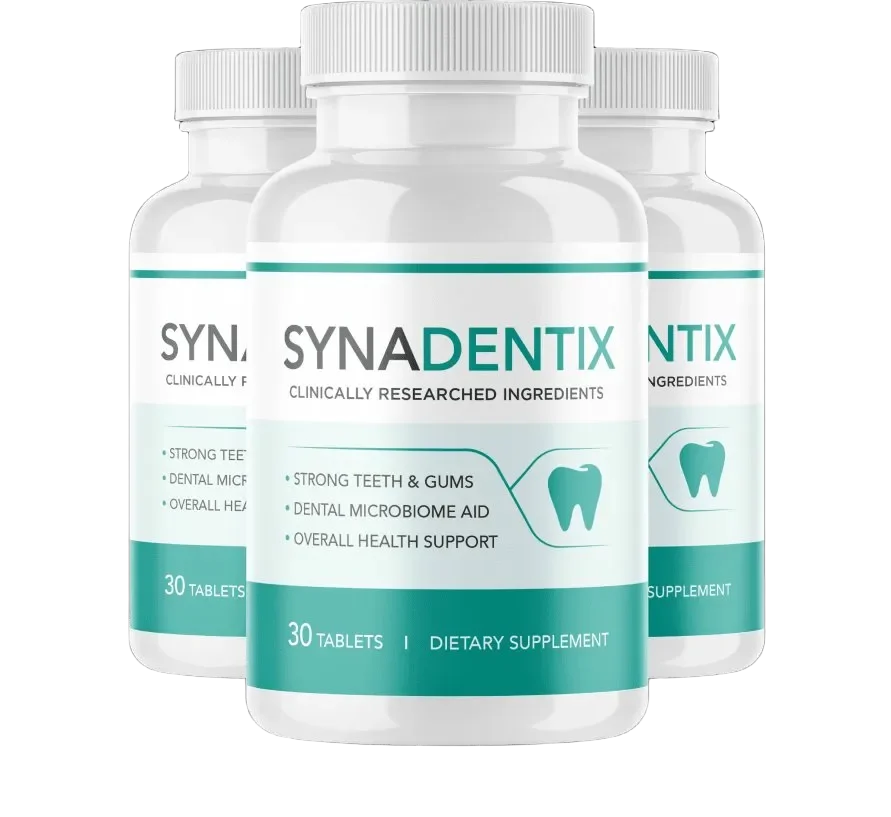
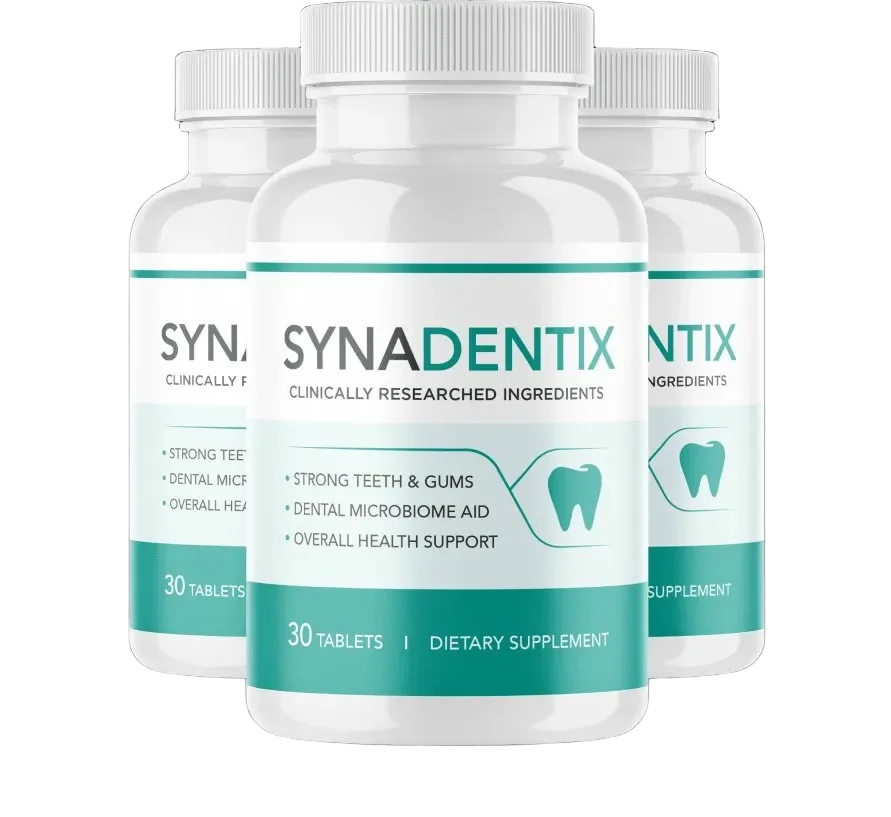
As part of a holistic approach to oral health, many individuals seek natural ways to support their gums and combat bad breath. Synadentix is an oral health supplement designed with this in mind, leveraging a blend of natural ingredients to target the underlying issues of bacterial imbalance and inflammation.
Xylitol
Role: A natural sugar alcohol found in many fruits and vegetables, Xylitol is renowned for its ability to inhibit the growth of harmful bacteria in the mouth. Unlike sugar, bacteria cannot metabolize Xylitol, which reduces acid production and helps prevent plaque formation, thereby reducing the risk of both cavities and gum inflammation.
Milk Thistle
Role: Traditionally used for liver support, Milk Thistle also possesses antioxidant and anti-inflammatory properties. In an oral health context, it's thought to assist in the detoxification process, potentially helping to neutralize toxins produced by oral bacteria and supporting the body's natural healing mechanisms for gum tissue.
Artichoke Extract
Role: Rich in antioxidants and compounds like cynarin, Artichoke extract is believed to support digestion and liver health. For oral health, its detoxifying properties can contribute to a cleaner internal environment, which indirectly supports a healthier oral microbiome by reducing systemic inflammation and toxin burden.
Chanca Piedra
Role: Known as "stone breaker," Chanca Piedra is a herb with a long history in traditional medicine for kidney and liver support. Its potential antimicrobial and anti-inflammatory effects can be beneficial for oral health, helping to combat bacterial growth and reduce gum inflammation, thereby addressing key drivers of bad breath and gum disease.
Dandelion Extract
Role: Dandelion is a potent diuretic and detoxifier, often used to support liver and kidney function. By aiding the body's natural detoxification pathways, Dandelion extract can help remove waste products and toxins that might otherwise contribute to an unhealthy oral environment and systemic inflammation affecting gum health.
Grape Seed Extract
Role: A powerful antioxidant, Grape Seed Extract helps protect cells from oxidative damage. In oral health, its antimicrobial properties can help inhibit the growth of certain oral pathogens, while its anti-inflammatory effects can soothe irritated gum tissues, promoting healing and reducing bleeding.
Ginger Root
Role: Ginger is well-known for its anti-inflammatory and antimicrobial properties. It can help reduce gum inflammation, alleviate pain, and fight off oral bacteria responsible for plaque formation and bad breath, contributing to a fresher, healthier mouth.
Feverfew
Role: Traditionally used for its anti-inflammatory and pain-relieving effects, Feverfew can help reduce the discomfort and swelling associated with gum inflammation. Its ability to calm inflammatory responses can be a valuable asset in managing the symptoms of gum disease.
Beetroot
Role: Rich in nitrates, which the body converts into nitric oxide, Beetroot supports healthy blood flow. Improved circulation to the gums can enhance nutrient delivery and waste removal, supporting tissue health and healing. It also contains beneficial antioxidants.
Berberine
Role: A potent compound found in several plants, Berberine has strong antimicrobial and anti-inflammatory properties. It helps combat a wide range of bacteria, including those implicated in gum disease and bad breath, and can reduce inflammation in the gum tissues, promoting a healthier oral environment.
Alfalfa
Role: Alfalfa is a nutrient-dense plant, rich in vitamins and minerals. It's also known for its chlorophyll content, which can act as a natural deodorizer, helping to neutralize bad breath. Its overall nutritional support can contribute to stronger, healthier gum tissues.
Jujube Seed
Role: Known for its calming and antioxidant properties, Jujube Seed can help support overall well-being. While not directly targeting oral bacteria, its systemic benefits can contribute to a robust immune response, which is crucial for fighting off oral infections and maintaining gum health.
By combining these carefully selected ingredients, Synadentix aims to offer a natural, complementary solution to support your oral health regimen. It works by addressing bacterial balance, inflammation, and supporting the body's natural defenses against the factors contributing to bad breath and gum disease. For those interested in exploring further options, our guide to the Best Gum Disease Supplements of 2026 provides additional insights.
Reclaim Your Fresh Breath and Healthy Gums with Synadentix
Don't let bad breath and gum disease diminish your confidence or compromise your health. Synadentix offers a powerful, natural blend to support your oral wellness journey, working in harmony with your daily hygiene routine.
- ✓ Targets odor-causing bacteria at the source
- ✓ Supports healthy gum tissue and reduces inflammation
- ✓ Enhances overall oral microbiome balance
- ✓ Made with 100% natural, plant-based ingredients
- ✓ Manufactured in an FDA-approved, GMP-certified facility




What Our Customers Are Saying
"For years, I've battled persistent bad breath and occasional bleeding gums. I was skeptical about supplements, but Synadentix has made a noticeable difference. My breath feels fresher, and my gums seem less inflamed. It's a welcome change!"
"My dentist recommended I look into natural supplements to support my gum health after noticing some early signs of gingivitis. Synadentix came up, and I decided to try it. Combined with better flossing, my gums feel much healthier, and my morning breath is significantly improved."
"I was always self-conscious about my breath. After using Synadentix for a few weeks, I felt a real difference. It's not a magic bullet, but it definitely complements my brushing and flossing. My mouth feels cleaner, and the fresh feeling lasts longer. Highly recommend for anyone struggling with similar issues."
Frequently Asked Questions
What is the primary cause of bad breath related to gum disease?
+The primary cause of bad breath (halitosis) in the context of gum disease is the accumulation of anaerobic bacteria in the mouth. These bacteria thrive in the pockets formed by gum disease and produce volatile sulfur compounds (VSCs) such as hydrogen sulfide and methyl mercaptan, which are responsible for the foul odor. Poor oral hygiene exacerbates this by allowing plaque and tartar to build up, creating an ideal environment for these bacteria.
Can treating gum disease eliminate chronic bad breath?
+Yes, in many cases, successful treatment of gum disease can significantly reduce or eliminate chronic bad breath that originates from oral issues. By removing plaque and tartar, reducing bacterial load, and healing inflamed gum tissues, the source of the odor-producing bacteria is addressed. However, it's important to maintain excellent oral hygiene post-treatment to prevent recurrence.
Are there specific symptoms of gum disease I should look for besides bad breath?
+Absolutely. While bad breath is a common indicator, other key symptoms of gum disease (periodontitis) include red, swollen, or tender gums, bleeding gums during brushing or flossing, receding gums (making teeth look longer), persistent metallic taste, pus between teeth and gums, and changes in how your teeth fit together when you bite. If you experience any of these, it's crucial to consult a dentist promptly.
How does Synadentix contribute to addressing bad breath and gum health?
+Synadentix is formulated with a blend of natural ingredients known for their antimicrobial, anti-inflammatory, and detoxifying properties. Ingredients like Xylitol help inhibit bacteria, while Milk Thistle and Artichoke extract support overall oral detoxification. These components work synergistically to target the root causes of bacterial overgrowth and inflammation, which are primary contributors to both bad breath and gum disease, complementing a good oral hygiene routine.
Is bad breath always a sign of gum disease?
+No, bad breath is not always a sign of gum disease, although it is a very common one. Other causes of halitosis can include poor oral hygiene (without progressing to full-blown gum disease), dry mouth, certain foods, smoking, tonsil stones, sinus infections, or even systemic health conditions like diabetes or kidney disease. However, persistent bad breath should always prompt a dental visit to rule out underlying oral health issues like gum disease.
What lifestyle changes can help prevent both bad breath and gum disease?
+Maintaining excellent oral hygiene is paramount: brush twice daily, floss daily, and use an antimicrobial mouthwash. Regular dental check-ups and cleanings are also essential. Beyond that, staying hydrated, eating a balanced diet rich in fruits and vegetables, limiting sugary foods and drinks, quitting smoking, and managing stress can all significantly contribute to preventing both bad breath and the onset or progression of gum disease.
Related Articles