Are Your Gums Trying to Tell You Something? Don't Ignore the Red Flags!
Gum disease, also known as periodontal disease, is a common condition affecting millions worldwide, yet many remain unaware they have it until it reaches advanced stages. It's a silent threat to your oral health, often starting subtly and progressing without significant pain, making early detection crucial.
Understanding the initial symptoms is your first line of defense against this pervasive condition. By recognizing these early warning signs of gum disease, you can take proactive steps to protect your teeth, gums, and overall well-being, potentially reversing damage before it becomes irreversible.
The Silent Threat: What is Gum Disease?
Gum disease, medically known as periodontal disease, is an infection of the tissues that hold your teeth in place. It's primarily caused by poor oral hygiene, allowing plaque—a sticky film of bacteria—to build up on the teeth and harden into tartar.
This accumulation of bacteria triggers an inflammatory response in your gums, leading to the initial stage called gingivitis. If left untreated, gingivitis can progress to periodontitis, a more severe form where the gums pull away from the teeth, forming pockets that become infected. This can eventually lead to bone and tissue loss, and ultimately, tooth loss. Beyond oral health, research has linked gum disease to serious systemic conditions, including heart disease, stroke, diabetes, and respiratory issues, highlighting the critical importance of early detection and management.
💡 Key Takeaway
Gum disease, or periodontal disease, is a bacterial infection of the gums that progresses from mild inflammation (gingivitis) to severe tissue and bone destruction (periodontitis) if left untreated. It's a leading cause of tooth loss and has systemic health implications.
Gingivitis: Recognizing the First Alarms
Gingivitis is the mildest form of gum disease. It's characterized by inflammation of the gums, caused by plaque buildup along the gumline. While often painless, it presents distinct symptoms that serve as crucial warning signs. Recognizing these early signals can prevent progression to more severe stages.
Bleeding Gums
One of the most common and earliest indicators of gingivitis is gums that bleed easily during brushing or flossing. Healthy gums should not bleed, so even a small amount of blood is a significant warning sign that your gums are inflamed and irritated. Don't dismiss it as normal; it's your body's way of signaling a problem.
Red, Swollen, or Tender Gums
Healthy gums are typically firm and pale pink. If your gums appear bright red or purplish, are noticeably swollen, or feel tender to the touch, it indicates inflammation. This swelling is a direct response to the bacterial irritation at the gumline, a hallmark symptom of developing gum disease.
Persistent Bad Breath (Halitosis)
While many factors can contribute to bad breath, persistent halitosis that doesn't improve with brushing or mouthwash can be a sign of gum disease. The bacteria responsible for gingivitis and periodontitis produce foul-smelling volatile sulfur compounds, leading to an unpleasant odor from your mouth.
Receding Gums
Gums that pull away from your teeth, making your teeth appear longer, is a significant sign of gum recession. This exposes the tooth roots, which can lead to increased sensitivity, especially to hot or cold temperatures. Receding gums can be a symptom of both gingivitis and advancing periodontitis, indicating a loss of supporting tissue.
Changes in Bite or Tooth Alignment
In more advanced stages, gum disease can affect the bone and ligaments supporting your teeth, causing them to loosen or shift. You might notice changes in how your teeth fit together when you bite, or that your partial dentures no longer fit properly. This is a critical sign that the structural integrity of your oral foundation is compromised.
Pus Between Teeth and Gums
The presence of pus, often visible when you press on your gums or during brushing, is a clear sign of infection. This indicates that bacteria are actively multiplying within the gum pockets, leading to an abscess. This symptom is typically associated with more advanced periodontitis and requires immediate dental attention.
Beyond Gingivitis: The Progression to Periodontitis
If gingivitis is left untreated, it can advance to periodontitis, a chronic inflammatory disease that destroys the bone and soft tissues supporting your teeth. This stage is much more serious and often requires more intensive treatment to manage.
As periodontitis progresses, the inflammation causes the gums to pull away from the teeth, forming "pockets" that become breeding grounds for bacteria. These pockets deepen, accumulating more bacteria and plaque, which further irritates the gums and destroys the underlying bone. Symptoms become more pronounced, including severe gum recession, loose or shifting teeth, and persistent mouth sores. At this stage, the damage is often irreversible, and professional intervention is essential to prevent tooth loss and mitigate systemic health risks. Regular dental check-ups are vital for early detection and halting the progression of this destructive disease.
Risk Factors for Developing Gum Disease
While plaque buildup is the primary cause, several factors can increase your susceptibility to gum disease, making it even more important to be vigilant about your oral health and recognize early symptoms.
Poor Oral Hygiene
Insufficient brushing and flossing allow plaque to accumulate and harden into tartar, directly leading to gum inflammation and infection. Consistent, thorough oral hygiene is the most effective preventative measure.
Smoking and Tobacco Use
Smoking is one of the most significant risk factors for gum disease. It weakens your immune system, making it harder for your body to fight off gum infections, and can mask symptoms like bleeding gums.
Hormonal Changes
Fluctuations in hormones, such as during pregnancy, puberty, menstruation, or menopause, can make gums more sensitive and prone to inflammation, increasing the risk of gingivitis.
Certain Medications
Some medications, including certain antidepressants, heart medications, and oral contraceptives, can reduce saliva flow (dry mouth), which helps protect against bacteria, thus increasing gum disease risk.
Systemic Diseases
Conditions like diabetes, autoimmune diseases, and HIV can impair the body's ability to fight infection, making individuals more susceptible to severe gum disease. Managing these conditions is crucial for oral health.
Genetics
Some individuals may be genetically predisposed to gum disease. If there's a family history of periodontal issues, you might be at a higher risk, making regular dental check-ups even more important.
Stress
Stress can weaken the immune system, making it harder for your body to fight off infections, including those affecting the gums. High stress levels can contribute to the progression of gum disease.
Poor Nutrition
A diet lacking essential nutrients, especially Vitamin C, can compromise the immune system and make it more difficult for gum tissue to repair itself, potentially exacerbating gum disease.
Diagnosis and Treatment: What to Expect at the Dentist
If you suspect you have gum disease, scheduling an appointment with your dentist is the most critical step. Early diagnosis is key to effective treatment and preventing further damage.
During your dental visit, the dentist will typically:
- Review your medical history to identify any underlying conditions or medications that could affect your gum health.
- Examine your gums and teeth for signs of inflammation, bleeding, and plaque/tartar buildup.
- Measure the periodontal pockets around your teeth using a small probe. Healthy gums have shallow pockets (1-3mm), while deeper pockets indicate gum recession and bone loss.
- Take dental X-rays to check for bone loss around your teeth, which is a definitive sign of periodontitis.
Based on the diagnosis, treatment options vary:
- Gingivitis: Can usually be reversed with professional dental cleaning (scaling) to remove plaque and tartar, followed by diligent daily brushing and flossing at home.
- Periodontitis: May require more intensive treatments such as deep cleaning (scaling and root planing) to remove tartar and smooth root surfaces below the gumline. In severe cases, surgical procedures like flap surgery, bone grafting, or guided tissue regeneration might be necessary to repair damaged tissues and bone.
Preventing Gum Disease: A Proactive Approach
Prevention is always better than cure, especially when it comes to gum disease. Adopting a consistent and comprehensive oral hygiene routine, combined with healthy lifestyle choices, can significantly reduce your risk.
Brush Twice Daily
Brush your teeth for two minutes, twice a day, using a soft-bristled toothbrush and fluoride toothpaste. Pay attention to the gumline, where plaque tends to accumulate. Electric toothbrushes can be particularly effective at removing plaque.
Floss Daily
Flossing once a day removes food particles and plaque from between your teeth and under the gumline, areas your toothbrush can't reach. This is crucial for preventing plaque buildup that leads to gingivitis.
Regular Dental Check-ups
Visit your dentist for professional cleanings and check-ups at least once a year, or more frequently if you have risk factors for gum disease. Professional cleaning removes tartar that cannot be removed by brushing and flossing alone.
Healthy Diet
Eat a balanced diet rich in fruits, vegetables, and whole grains. Limit sugary snacks and drinks, which can contribute to plaque formation and tooth decay. Adequate intake of vitamins and minerals supports overall gum health.
Avoid Tobacco
If you smoke or use other tobacco products, quitting is one of the best things you can do for your oral and overall health. Tobacco significantly increases your risk of developing and worsening gum disease.
Consider Oral Health Supplements
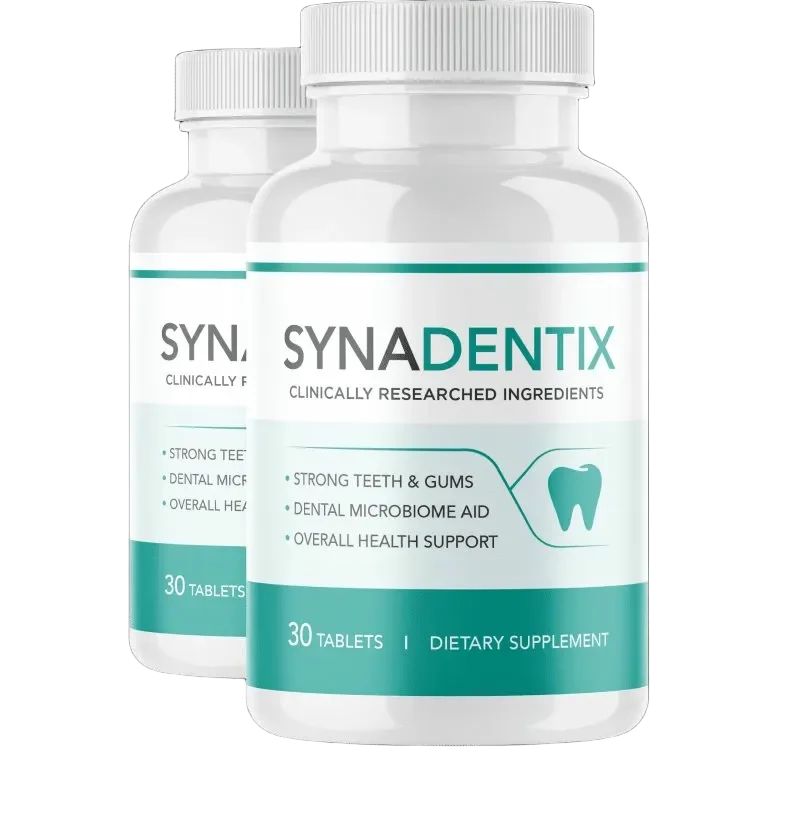
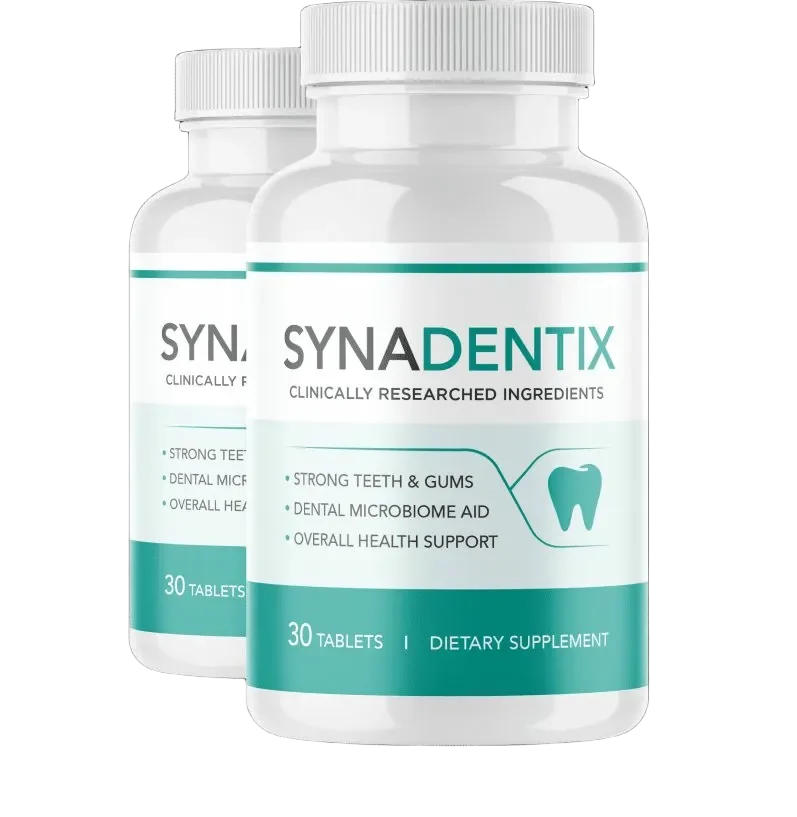
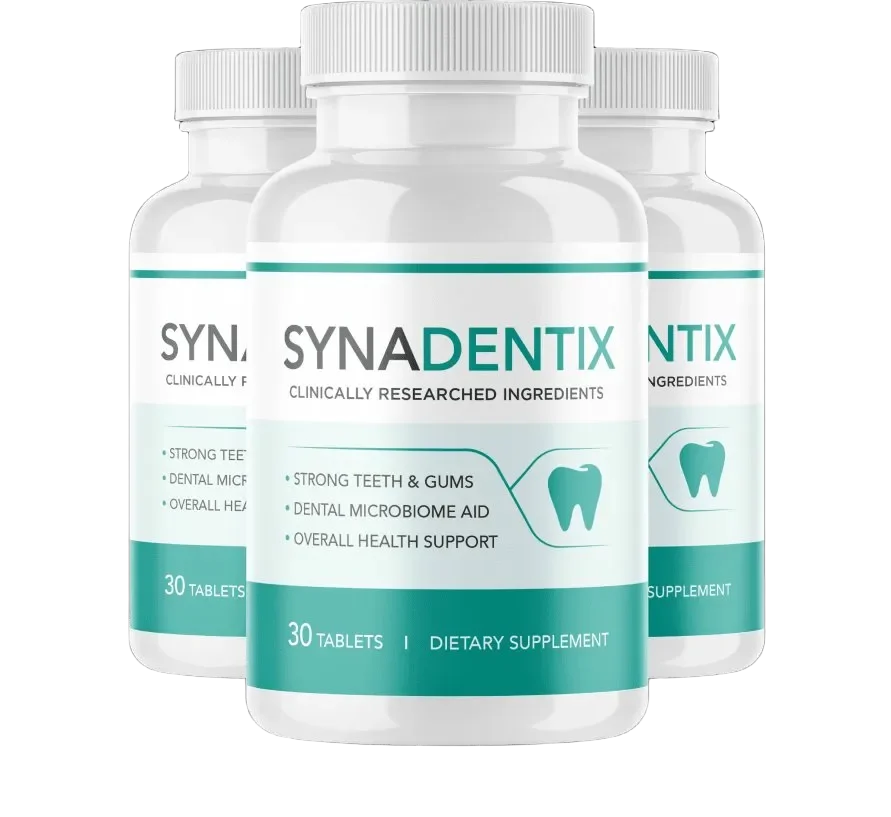
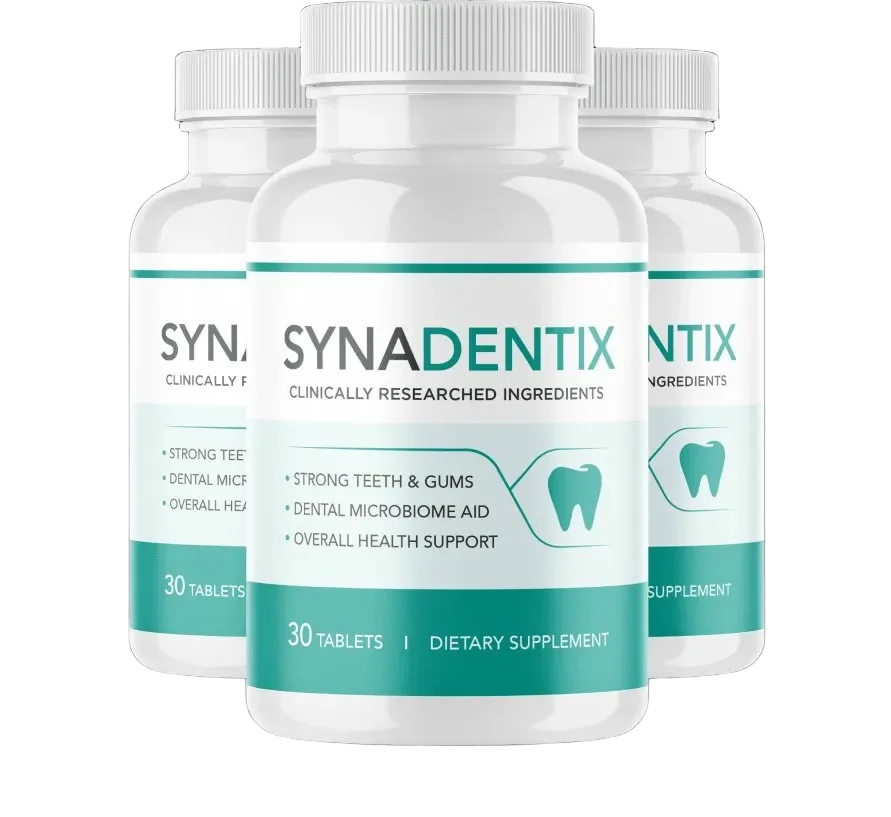
For individuals seeking additional support, certain oral health supplements can complement a good hygiene routine. Products like Synadentix, formulated with targeted ingredients, can help maintain a healthy oral environment and support gum tissue integrity. For more information on ingredients, you can read our detailed breakdown of Synadentix ingredients like Hydroxyapatite, Lactoferrin, and Enzymes.
💡 Key Takeaway
Preventing gum disease involves consistent oral hygiene (brushing, flossing), regular dental visits, a healthy diet, avoiding tobacco, and potentially supplementing with targeted oral health formulas to support gum and tooth health.
How Synadentix Can Support Your Gum Health Journey
While Synadentix is not a cure for gum disease, it is designed to work synergistically with good oral hygiene practices to support a healthier oral environment and strengthen your natural defenses against the factors that contribute to gum problems.
Synadentix is a dietary supplement crafted with a blend of natural ingredients, each chosen for its potential role in promoting oral wellness. It aims to address several key aspects of oral health that are vital in preventing and managing the symptoms of gum disease. By supporting the oral microbiome, enhancing enamel strength, and contributing to a healthy inflammatory response, Synadentix offers a complementary approach to traditional dental care. Many individuals looking for an effective oral health supplement have found Synadentix to be a beneficial addition to their daily routine, helping them maintain fresher breath and healthier gums.
Key Ingredients in Synadentix for Oral Support
Synadentix incorporates a blend of scientifically-backed natural ingredients, each playing a unique role in supporting gum health and overall oral hygiene. Here are some of the core components:
Hydroxyapatite
Role: A naturally occurring mineral, it's the main component of tooth enamel. Hydroxyapatite helps remineralize and strengthen tooth surfaces, making them more resistant to acid erosion and decay, and supporting enamel integrity which is crucial for overall tooth health.
Lactoferrin
Role: A powerful protein found in saliva, milk, and other bodily fluids. Lactoferrin possesses antibacterial, antiviral, and anti-inflammatory properties. It helps modulate the oral microbiome by inhibiting the growth of harmful bacteria and reducing inflammation in the gums, crucial for fighting gum disease.
Lysozyme
Role: An enzyme naturally present in saliva, tears, and other secretions. Lysozyme acts as a natural antimicrobial agent, breaking down bacterial cell walls and providing a first line of defense against oral pathogens that contribute to plaque and gum inflammation.
Amylase
Role: An enzyme that aids in the breakdown of carbohydrates. In the oral cavity, amylase helps digest food debris, reducing the amount of fermentable sugars available for plaque-forming bacteria, thus contributing to a cleaner oral environment.
Protease
Role: A group of enzymes that break down proteins. In oral health, proteases can help disrupt bacterial biofilms and protein matrices found in plaque, making it easier to remove and preventing its adhesion to tooth surfaces and gums.
Lipase
Role: An enzyme responsible for breaking down fats. While less directly involved in plaque breakdown, lipase contributes to overall oral hygiene by helping to clean the mouth of fatty food residues that can contribute to bacterial growth.
Take Control of Your Oral Health with Synadentix
Don't wait for gum disease to take hold. Synadentix offers a powerful, natural approach to support your oral health from the inside out. Formulated with a blend of potent enzymes and minerals, it's designed to complement your daily brushing and flossing, giving you an extra layer of protection.
- ✓ Supports healthy gums and teeth
- ✓ Promotes a balanced oral microbiome
- ✓ Helps reduce plaque and tartar buildup
- ✓ Fights bad breath at its source
- ✓ All-natural, non-GMO ingredients




Hear From Our Satisfied Customers
"My gums used to bleed every time I brushed, and I was constantly worried about bad breath. After using Synadentix for just a few weeks, I noticed a significant improvement. My gums feel healthier, and the bleeding has stopped. It's truly made a difference!"
"I was skeptical at first, but Synadentix has really helped. My dentist even commented on the improvement in my gum health during my last check-up. It's easy to take, and I feel more confident about my smile now. Highly recommend it for anyone struggling with gum issues."
"For years, I've battled with sensitive and inflamed gums. Synadentix was recommended to me, and I'm so glad I tried it. My gums are less sensitive, and the swelling has gone down. It's become an essential part of my daily oral care routine."
Frequently Asked Questions
What are the earliest signs of gum disease?
+The earliest signs of gum disease, also known as gingivitis, typically include red, swollen, or tender gums, and bleeding when you brush or floss. You might also notice persistent bad breath that doesn't go away after brushing.
Can gum disease be reversed?
+Yes, in its early stage (gingivitis), gum disease can often be reversed with proper oral hygiene, including daily brushing and flossing, and regular professional dental cleanings. If it progresses to periodontitis, the damage to supporting bone and tissue cannot be fully reversed, but it can be managed and halted with appropriate dental treatment.
What causes gum disease?
+Gum disease is primarily caused by plaque, a sticky film of bacteria that constantly forms on your teeth. If plaque isn't removed through daily brushing and flossing, it hardens into tartar, which irritates the gums and leads to inflammation and infection. Other factors like smoking, genetics, and certain medical conditions can increase your risk.
How does Synadentix support gum health?
+Synadentix is formulated with a blend of natural ingredients designed to support overall oral health. It aims to help maintain a healthy oral microbiome, strengthen tooth enamel, reduce inflammation, and combat the bacteria that contribute to gum disease, complementing your daily oral hygiene routine. Ingredients like Hydroxyapatite, Lactoferrin, and various enzymes work together to create a protective environment.
When should I see a dentist about gum symptoms?
+You should see a dentist as soon as you notice any signs of gum disease, such as bleeding gums, persistent bad breath, swollen or tender gums, receding gum lines, or loose teeth. Early detection and treatment are crucial to prevent the condition from worsening and to preserve your oral health.
Are there any side effects to using Synadentix?
+Synadentix is formulated with natural ingredients and is generally well-tolerated. However, as with any supplement, individual reactions can vary. It's always recommended to consult with your dentist or healthcare provider before starting any new supplement, especially if you have existing health conditions or are taking other medications. For more detailed information, please refer to our dedicated page on Synadentix side effects.
Related Articles